

When Legends Remember Legends: Bruce Springsteen Reflects on Brian Wilson’s Final Chord
Bruce Springsteen’s poignant tribute to Brian Wilson, the Beach Boys’ enigmatic genius, unravels a profound conversation about artistry, legacy, and the quiet shadows behind iconic melodies.
 Chris MarksJune 12, 20252 Mins read24
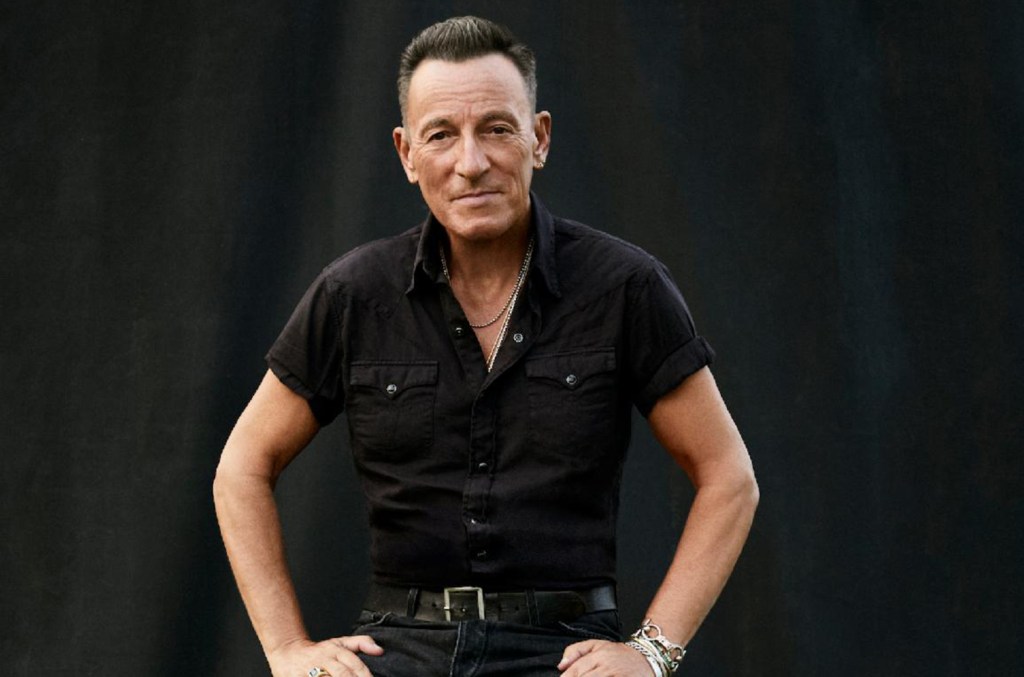
The echo of a bittersweet melody lingers long after the final note fades—this is the kind of silence Bruce Springsteen confronts when he speaks of Brian Wilson’s death. Two titans, linked not just by their music but by the weight of their eras, yet the nature of their genius was worlds apart. What does it mean when one legend remembers another, especially a man whose voice shaped a generation’s dreams in ways both glorious and haunted?
Springsteen’s reflection peels back the veil on Wilson—not the sun-drenched smile of surf and sand, but the complex soul beneath the harmonies. “Brian was a creator who wrestled with his own storms,” Springsteen said, his voice threading through memories like a soft guitar riff. The image is of a man battling silence in a world that demanded endless songs. How much of Wilson’s true self ever reached the shore?
Harmonics of Heartache and Brilliance
Brian Wilson’s story is often told in the bright colors of California sunshine, yet his music always carried undertones of fragility and defiance. Springsteen, who himself has sung of the American struggle with grit and grace, seems to recognize a kindred spirit in Wilson’s paradox—a man who crafted sonic utopias while wrestling demons few could see. Their artistry exists in tension: the celebration and the shadow, the crowd’s roar and the quiet moments between.
Springsteen’s tribute feels less like eulogy and more like a reckoning—a reminder that the myths we build around artists sometimes obscure their humanity. “He changed the sound of music forever, but he also changed the way we think about pain and beauty,” Springsteen mused. Isn’t that the true mark of a legend? To live forever not in flawless fame, but in the jagged edges of reality?
The Quiet After the Applause
In the wake of Wilson’s passing, Springsteen’s words invite us to reconsider how we honor icons. Do we celebrate only their brightest hits, or do we dare to embrace their complexities—their struggles, their silences, their unsung harmonies? The Beach Boys’ melodies may carry us back to simpler times, but Wilson’s story pushes us forward into a deeper understanding of what it means to create under pressure and pain.
Springsteen’s tribute is a whispered conversation between two eras of American music, a moment suspended in time where admiration mingles with melancholy. As we listen, the question lingers: when the final note fades, what remains? Perhaps, in remembering Brian Wilson, Springsteen challenges us all to listen closer—not just to the music, but to the stories behind it, waiting to be heard.








Laufey’s Opening Night Show at LA’s Crypto.com Arena: Best Moments
Laufey opened a two-night stand at Crypto.com Arena in downtown Los Angeles...
Chris Marks6 Mins read

Julie Adam Is Billboard Canada Women in Music’s 2025 Exec of the Year
Julie Adam is having a milestone year — and it’s getting even...
Chris Marks4 Mins read

Spinal Tap Tribute Album with Foo Fighters,Tool for Teen Cancer America
Spinal Tap may be a fake band, but its music is very...
Chris Marks2 Mins read

AxMxP Is K-Pop Rookie of the Month for September: Exclusive Photos
Ha Yoo Joon Image Credit: Chin Soyeon You debuted on Sept. 10....
Chris Marks2 Mins read





Leave a comment