

Bruce Springsteen’s Speech to Trump: The Unspoken Revolution of a New Live EP
Bruce Springsteen’s voice, always a champion for the underdog, now takes on a different form: a powerful critique embedded in a live performance. But what’s more troubling—his words or the silence around them?
 Chris MarksMay 21, 20252 Mins read24
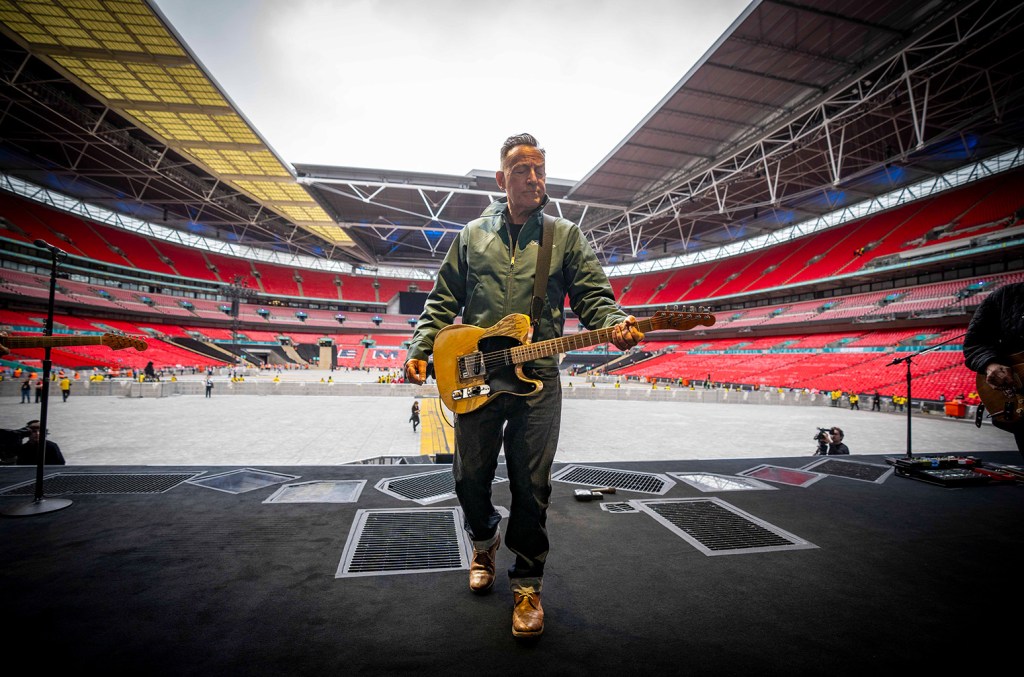
What happens when an icon speaks, and we’re too busy watching the spectacle to listen? Bruce Springsteen’s speech on President Trump, now immortalized in his new live EP, isn’t just another political statement from a rock legend. It’s an ominous reflection of a divided America, delivered not through the impassioned lyrics of a song, but through the raw power of his unfiltered thoughts on stage. Springsteen has always been a voice of the people, but now, it seems, he’s whispering warnings we may not want to hear.
In this EP, Springsteen takes on more than just the role of storyteller. His words are a direct call-out, a scalding commentary on the political chaos that has defined this era. But why now? Why, after decades of anthems that spoke to the heart of the working class, is Springsteen choosing to confront the very machine that might have once lifted him into superstardom? His thoughts on Trump aren’t just political—they’re personal. There’s a history here, one that’s too complex for simple answers. In a moment of reflection, Springsteen doesn’t just sing about the American dream—he dissects it.
Beyond the Stage: The Power of Silence
The true weight of Springsteen’s live performance doesn’t lie in the sound of his guitar, but in the moments of silence. His speech, quietly delivered but forcefully charged, forces us to reconsider the relationship between artist and audience. Springsteen has never been one to shy away from tackling the difficult truths, but this is different. In a world where every word is scrutinized, Springsteen’s subtle yet poignant remarks resonate with a gravity that lingers long after the applause fades. He doesn’t need to shout to make us listen; he understands that the quietest voice can be the most dangerous.
The performance takes on a profound new meaning when paired with his own acknowledgment of his evolving relationship with his country, his politics, and his audience. “I’m speaking because I can’t stay silent any longer,” he says in the EP, a declaration that signals both a personal and political reckoning. In a climate where music often feels like a diversion from the chaos around us, Springsteen’s words are a moment of clarity, unafraid of the consequences.
The Fine Line Between Art and Activism
But there’s a sharp edge to this new incarnation of Springsteen. Is it still music if it becomes political? Or is this a different kind of art altogether—a form of protest embedded within the fabric of his songwriting? As the voice of working America, Springsteen has long worn his politics on his sleeve, but this feels like something else entirely. It’s activism hidden in plain sight. The soundscape is unmistakably Springsteen, yet every note feels loaded with meaning.
And perhaps that’s the point. For decades, Springsteen’s music has been both a rallying cry and a mirror of the American condition, but now his music has become more than just an emotional outlet—it’s a tool for change. His confrontation with Trump, woven through the tapestry of his performance, challenges us to ask whether art has the power to shift the tides of history. Can a song inspire revolution? Or is it only the words behind the music that matter?
As Springsteen steps back into the limelight, it’s hard to shake the feeling that his recent speeches aren’t just about Trump. They’re about America—its failures, its flaws, and its broken promises. Springsteen’s voice, always a symbol of hope, now carries an edge, a dark, compelling warning about where we’re headed. Yet, the more he speaks, the more questions arise. Is he a prophet of doom, or is he daring us to change? Only time will reveal the true message in his music—if we’re listening closely enough to hear it.





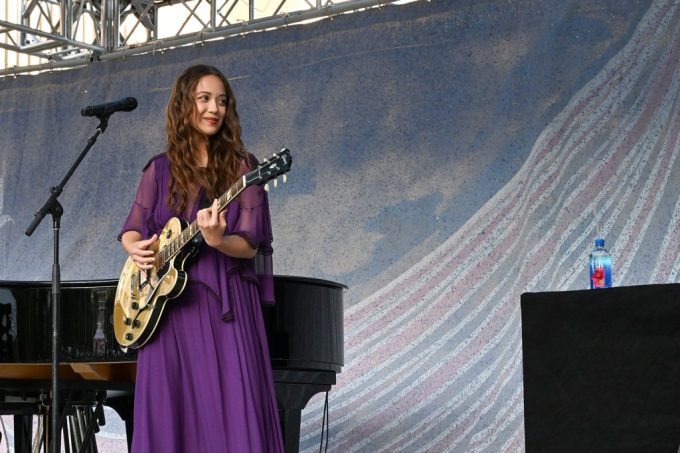
Laufey’s Opening Night Show at LA’s Crypto.com Arena: Best Moments
Laufey opened a two-night stand at Crypto.com Arena in downtown Los Angeles...
Chris Marks6 Mins read
Julie Adam Is Billboard Canada Women in Music’s 2025 Exec of the Year
Julie Adam is having a milestone year — and it’s getting even...
Chris Marks4 Mins read

Spinal Tap Tribute Album with Foo Fighters,Tool for Teen Cancer America
Spinal Tap may be a fake band, but its music is very...
Chris Marks2 Mins read
AxMxP Is K-Pop Rookie of the Month for September: Exclusive Photos
Ha Yoo Joon Image Credit: Chin Soyeon You debuted on Sept. 10....
Chris Marks2 Mins read


Leave a comment