

Gabriel Diallo’s Italian Open Loss: A Quiet Collapse or the Beginning of Something Bigger?
Gabriel Diallo’s unexpected first-round exit at the Italian Open has left more questions than answers. Was this just a misstep in a young career, or is it a sign of deeper battles brewing beneath the surface?
 Chris MarksMay 8, 20253 Mins read141

In the moments before the final point was played at the Italian Open, Gabriel Diallo seemed destined for greatness. His early games were fluid, almost effortless, a reflection of the poised athlete who had captured the hopes of Canadian tennis fans. But as quickly as that promise flashed, it was gone — snuffed out in a loss that felt more psychological than physical. One minute, he was in control, the next, he was struggling against an invisible weight that no opponent had placed on him.
The match was not a blowout; it wasn’t even particularly dramatic. It was something far more perplexing: a subtle unraveling. 6-4, 6-3. The numbers didn’t tell the full story. As Diallo walked off the court, it wasn’t a loss in the conventional sense. It was a question mark, a riddle wrapped in the silence of a young player trying to find his footing in a world that demands perfection. So, what happened? Did the bright lights of the Italian Open flicker too harshly for Diallo? Or did his own mind betray him when it mattered most?
The Ghosts of Expectations
When we talk about athletes like Diallo, we often forget the weight of the expectations placed on them. His rise has been swift and undeniable, but with success comes the pressure to perform — and that pressure doesn’t always manifest in ways we expect. Fans didn’t just want him to win; they wanted him to confirm everything they had projected onto him. In those quiet moments, when the match was slipping away, was Diallo battling an opponent, or was he battling something else: doubt?
It’s easy to dismiss the loss as a “bad day at the office” or a fluke. But when a player like Diallo, who has shown so much potential, falters in such a quiet, internalized way, we need to look deeper. Was it the pressure? The belief that he should be farther along? Or was it simply the weight of knowing that every loss chips away at the promise of the future? Diallo is young, but how much room does a young player have before that promise begins to feel like an unfulfilled dream?
Was It Mental?
Tennis is as much a mental game as it is physical. There’s no team to lift you up when things go wrong, no coach to call a timeout when you start doubting yourself. There’s only you, your racket, and the endless stretch of court. In that solitude, the mind plays tricks. Diallo’s body had everything it needed to win: powerful serves, precise volleys, a court sense that belied his age. But tennis isn’t just about hitting the right shot; it’s about timing, about controlling the mind when it begins to wander, when it begins to wonder if this is the moment where everything unravels.
Somewhere, within the back-and-forth of that match, Diallo may have lost something far more critical than a set. He lost the rhythm of confidence. When you’re young, every match feels like a crossroads. Each defeat feels like a fracture in a fragile construct of belief. It’s tempting to write off his first-round exit as nothing more than an off day — but those moments rarely stay “off” for long. How will he respond? Will he take this loss in stride, or will it sit heavy in his subconscious, waiting to resurface at the next tournament?
Is This a Crossroads or a Speed Bump?
In the aftermath of his Italian Open loss, the question isn’t whether Diallo will rise again — it’s how he will rise. Every young player faces these kinds of crossroads. It’s not about the loss itself; it’s about how the loss gets processed, how it feeds into the larger story of his career. Will he use this moment to fuel his next level of focus, or will it remain a shadow on his journey?
This loss will not define Gabriel Diallo, but it might just be the moment that pushes him into the kind of mental space that shapes champions. We’ve seen it before: a seemingly small loss that spurs a player to reinvent their approach, to dig deeper than they ever thought they could. Or, we’ve seen the reverse — the loss that makes them question everything they’ve worked for.
In the weeks to come, we’ll find out what kind of player Diallo truly is — not by how many sets he wins, but by how he navigates the space between success and failure. And if the question becomes not “why did he lose?” but “how will he come back?” then maybe this loss wasn’t a failure at all.







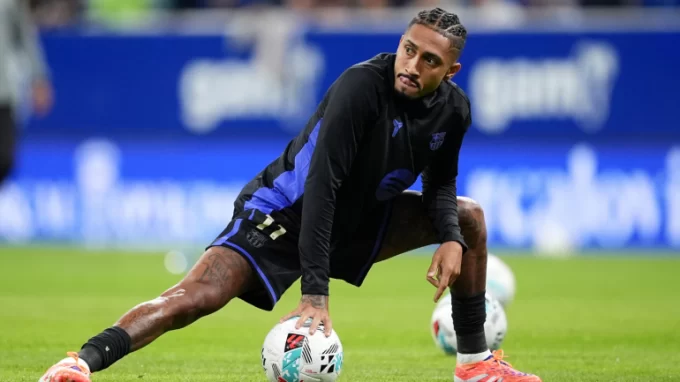
Barcelona’s Fragile Pursuit: When Injuries Threaten More Than Just a Season
A silence spreads over Camp Nou that no roar can drown out—two...
Chris Marks2 Mins read
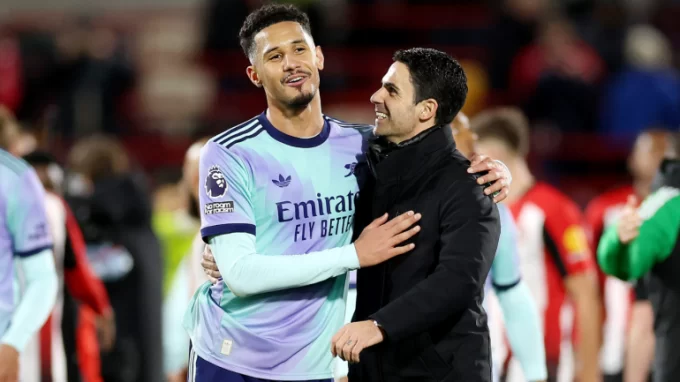
William Saliba: Arsenal’s Silent Architect or Its Greatest Gamble?
The air inside the Emirates shifts with unspoken tension—William Saliba, once a...
 Joseph Bennett2 Mins read

Joel Embiid’s Quiet Confidence: Is the 76ers’ Giant Ready to Rewrite His Story?
Joel Embiid is rarely one to make noise without purpose, and now,...
 Kirsten Collins1 Mins read
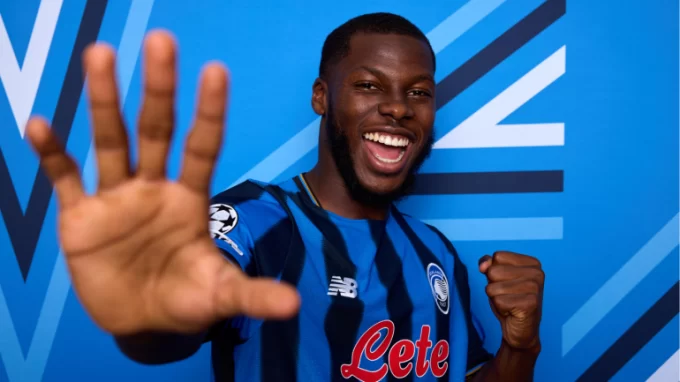
Juventus, Atalanta, and Arsenal’s Quiet Revolution: What’s Really Shaping This Week in Football?
The roar of Serie A stadiums masks a subtle shift, one that...
Kirsten Collins2 Mins read





Leave a comment