

Cannes 2025: The Jury’s Unspoken Verdict on Trump’s Cinematic Shadow
At the 2025 Cannes Film Festival, the jury's responses to questions about Donald Trump and his influence on cinema reveal more than they intend. Their evasions and subtle critiques paint a picture of an industry grappling with its own complicity in the face of political power.
 Krista FreelandMay 13, 20252 Mins read162
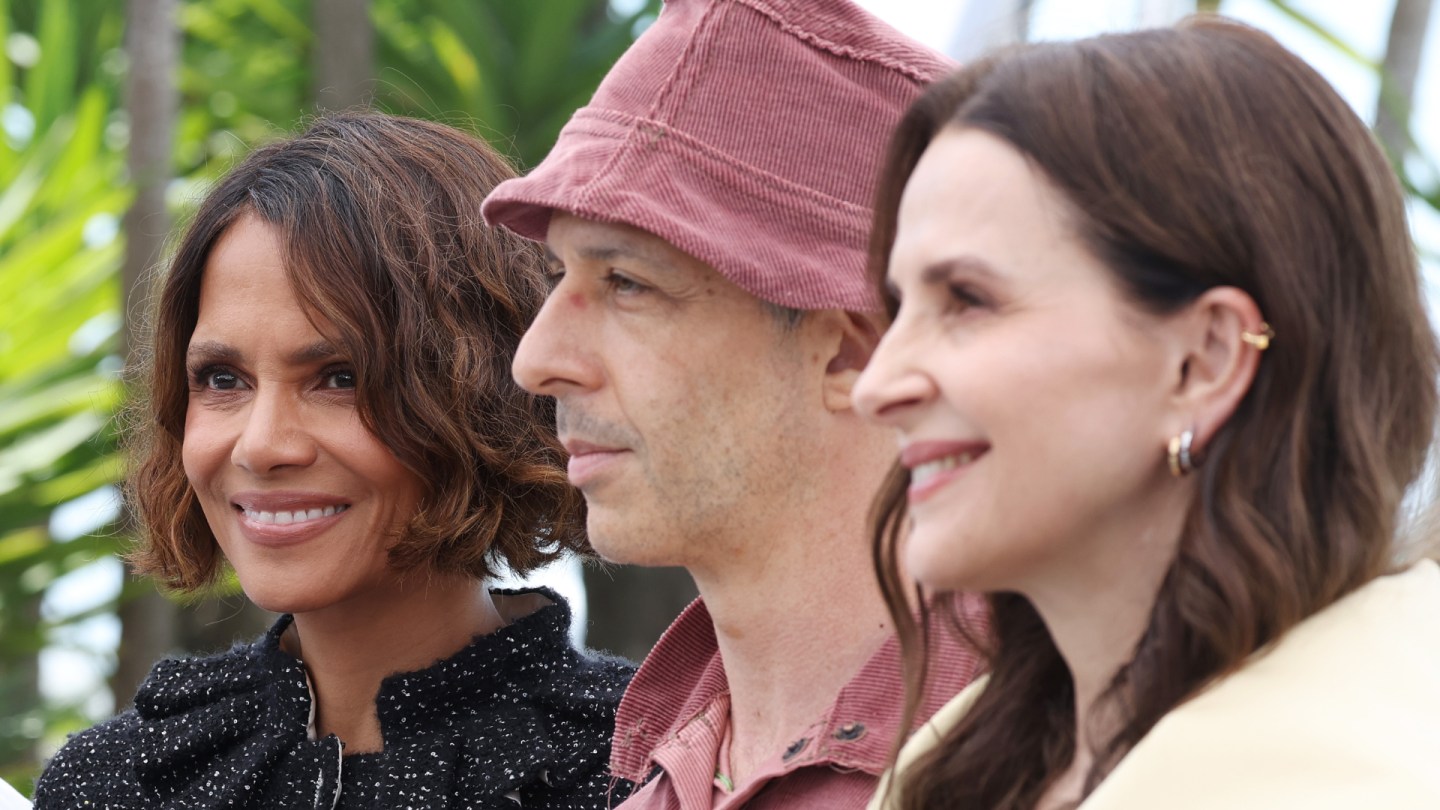
When Juliette Binoche, Halle Berry, and Jeremy Strong took their seats at the Cannes 2025 jury press conference, they were not just representatives of cinema—they were the face of a global industry at a crossroads. The questions came swiftly: How does the looming shadow of Donald Trump, with his proposed 100% movie tariff, affect the international film community? And more pointedly, how does a film like The Apprentice, which portrays Trump’s early years and his relationship with Roy Cohn, fit into this narrative?
Binoche’s response was telling: “I think we can see that he’s fighting, and he’s trying in many different ways to save America and save his ass.” Her words, though seemingly neutral, carried an undercurrent of criticism. They suggested a leader more concerned with self-preservation than with the global repercussions of his actions.
The Apprentice: A Mirror to Power
The Apprentice, directed by Ali Abbasi, premiered at Cannes the previous year, offering a raw portrayal of a young Donald Trump. Starring Sebastian Stan as Trump and Jeremy Strong as Roy Cohn, the film delves into the formative years of the former president, highlighting the manipulative tactics that would later define his political career. Critics lauded the film’s unflinching look at power and its corrupting influence, while others questioned the ethics of such a portrayal.
Strong, who portrayed Cohn, remarked, “Roy Cohn, I see essentially as the progenitor of fake news and alternative facts, and we’re living in the aftermath of what I think he created.” His words resonate deeply in an era where truth is often obscured by political agendas.
A Jury in the Crosshairs
The Cannes jury, composed of diverse talents like Payal Kapadia, Carlos Reygadas, and Leïla Slimani, found themselves at the epicenter of a cultural and political maelstrom. Their every word was scrutinized, their every gesture analyzed. When asked about the open letter condemning the violence in Gaza, Binoche’s cryptic response—”You will maybe understand it a little later”—only deepened the intrigue. Was it a deliberate evasion, or a reflection of a deeper, unspoken truth?
The Unseen Hand
Beyond the glitz and glamour of the red carpet lies a more insidious force: censorship. The festival’s recent ban on nudity and “voluminous outfits” on the red carpet raised eyebrows. While some, like Halle Berry, adapted gracefully, others questioned the motives behind such restrictions. Is this a genuine attempt at decorum, or a subtle form of control?
As the festival progresses, the question remains: Is Cannes truly a bastion of artistic freedom, or is it a reflection of the very power structures it seeks to critique? In the end, perhaps the most profound statement comes not from the films themselves, but from the silences and omissions of those who judge them.


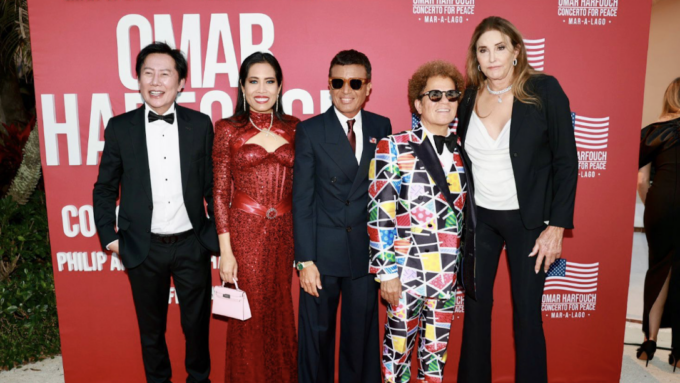
Pianist Omar Harfouch Brings Celebrated Figures Together for a Night of Cultural Exchange – Hollywood Life
Image Credit: Omar Harfouch On February 20, 2026, pianist and cultural figure...
 Kirsten Collins2 Mins read
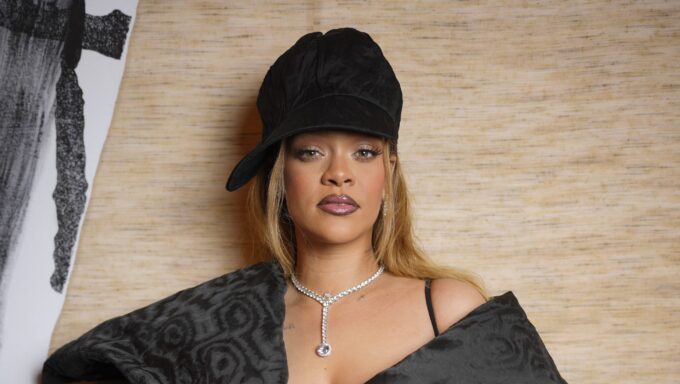
Who Is Ivana Lisette Ortiz? About the Rihanna Home Shooting Suspect – Hollywood Life
Image Credit: WWD via Getty Images The suspect in the March 8,...
Kirsten Collins1 Mins read
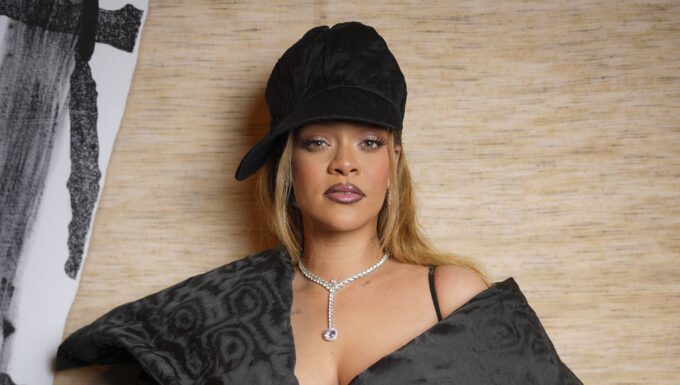
How Much Money Does She Have Now? – Hollywood Life
Image Credit: WWD via Getty Images Rihanna may be known as one...
Kirsten Collins2 Mins read
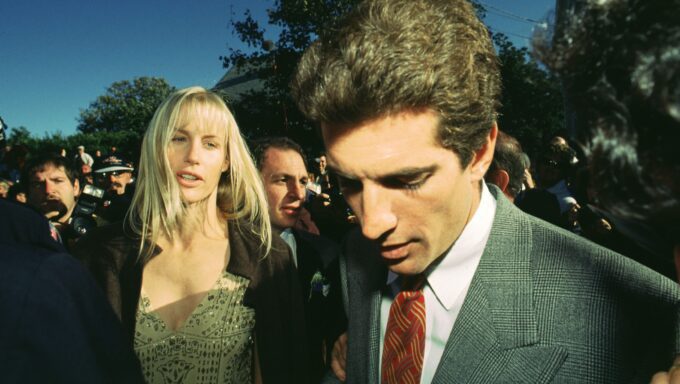
Stars Who Slammed ‘Love Story: JFK Jr. & Carolyn Bessette’: Statements – Hollywood Life
Image Credit: Getty Images FX’s Love Story: John F. Kennedy Jr. and...
Kirsten Collins2 Mins read



Leave a comment