

What They Called Dirty Was Actually Power
Lily Allen’s latest revelation isn’t just personal—it’s political. When an ex weaponizes hygiene as humiliation, it’s not about soap. It’s about control, shame, and the systems we still refuse to name.
 Krista FreelandJuly 28, 20252 Mins read22
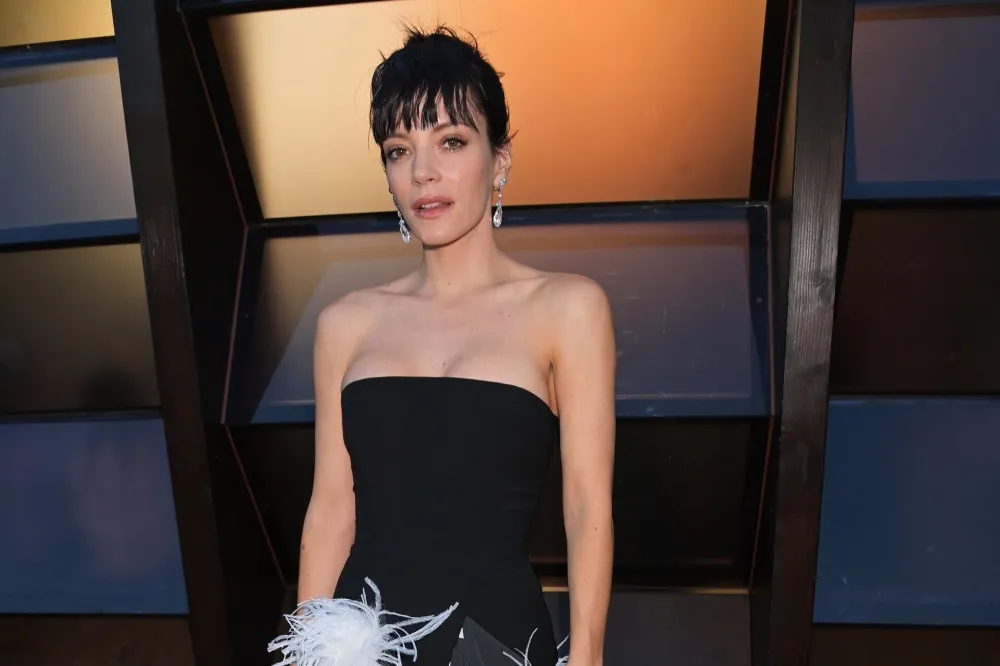
She said it so casually it nearly slipped by: “He used to tell me I was disgusting. That I didn’t wash.” There it was—quiet, grim, surgical. And yet, somehow, it thundered. Lily Allen, the sharp-tongued enfant terrible of British pop, once filleted by tabloids and adored for her candor, had just exposed another layer—one many women know too well and too quietly. Abuse that doesn’t leave bruises. Just stains. Ones you scrub forever.
It’s the sort of humiliation that doesn’t headline easily. Not violence. Not infidelity. Hygiene. A word so domestic, so small, so loaded with shame. But don’t be fooled—this is not about body odor. It’s about breaking someone down so thoroughly they start to believe they deserve isolation. When your cleanliness is questioned, your dignity isn’t far behind.
Not Just Dirt—Disgust as a Weapon
What does it mean when an abuser calls you unclean? It’s more than insult—it’s a tactic. Cultural history is rotten with examples. Women accused of being “unclean” have been discredited, dismissed, disempowered for centuries. The Victorian ideal of the pure woman. The medieval obsession with witches and their supposed filth. The locker-room joke that still haunts middle school hallways. What Allen endured wasn’t original. That’s what makes it chilling.
“He made me feel like no one else would ever want me,” she added, her voice clipped but steady. That line should ring like a fire alarm. Because it isn’t unique to Lily—it echoes in bedrooms, boardrooms, bathrooms across the world. You make someone feel unwanted long enough, and they begin to act like they are. Hygiene becomes a proxy for worth. And that’s exactly the point.
The Mirror Isn’t Broken—It’s Rigged
It’s easy to think the story ends when the door closes or the relationship breaks. But the most insidious thing about psychological abuse is how it sneaks into the way you speak about yourself, even long after you’re free. You apologize for your body. You second-guess a stray hair. You wonder if your scent is too much. You hesitate. That hesitation? That’s the ghost still living rent-free.
Lily Allen didn’t owe us this story. But in giving it, she didn’t just expose one man’s cruelty—she cracked open a pattern. A societal rot disguised as etiquette. “Clean” becomes code. Code for obedient. Code for invisible. Code for forgettable.
And perhaps that’s what scared him most—Lily was never going to be forgettable. So he tried to make her feel filthy instead.
She survived. But the question lingers, soft and sharp as a cuticle torn: how many other women are still rinsing themselves raw, trying to feel clean in someone else’s warped mirror?
- celebrity abuse revelations
- emotional abuse in relationships
- famous women abuse stories
- Lily Allen
- Lily Allen abuse claims
- Lily Allen abuse interview
- Lily Allen ex boyfriend
- Lily Allen hygiene criticism
- Lily Allen personal story
- Lily Allen tabloid news
- pop star trauma stories
- psychological abuse red flags
- women reclaiming narratives





When Mercy Meets Tragedy: The Widow Who Forgave Her Husband’s Killer
The air thickens when forgiveness enters a room meant for grief. Imagine...
 Chris Marks1 Mins read

When Fear Became a Lifeline: Pete Davidson’s Reckoning in Rehab
There’s a silence that follows a mother’s voice when she confesses her...
 Joseph Bennett1 Mins read

Pete Davidson’s mom told him in rehab worst fear was learning he died
Pete Davidson is opening up about the heartbreaking moment he had with...
Chris Marks2 Mins read
Katie Couric’s Unexpected Spin on Sydney Sweeney’s American Eagle Ad: What’s Really Being Said?
Katie Couric stepping into a scene dominated by Gen Z glamour feels...
Krista Freeland2 Mins read





Leave a comment