

When a Legend Steps Back to Move Forward: Yadier Molina’s Weekend Return
Yadier Molina, the Cardinals’ iconic catcher, isn’t just retiring quietly—he’s slipping into the coaching shadows for two games, blurring the line between player and mentor in a move loaded with unspoken meaning.
 Chris MarksAugust 8, 20252 Mins read22
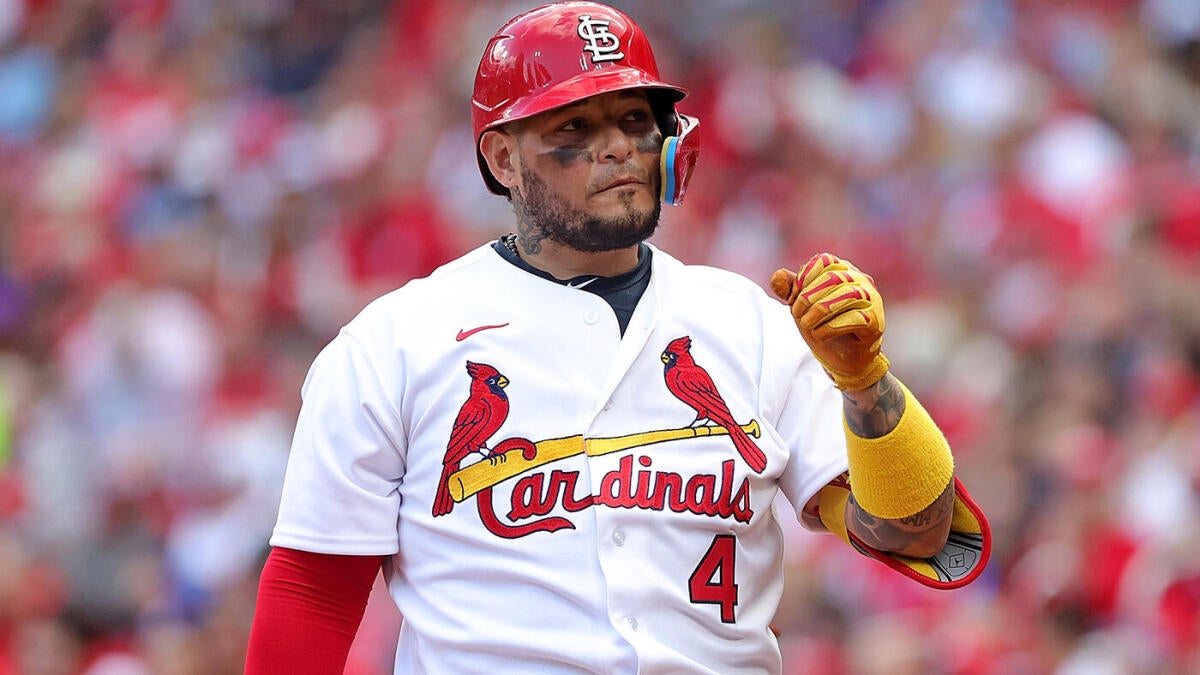
The crack of a bat. The rapid shuffle behind the plate. The unmistakable silhouette of a man whose name is etched not just in stats but in the very soul of Cardinals baseball. Yadier Molina is back—not with a bat or a glove, but a clipboard and a new purpose that challenges the usual script of retirement. Two games on the coaching staff, just a weekend series against the Cubs, and suddenly, the narrative shifts. What does it mean when a player of Molina’s stature steps off the field yet refuses to vanish?
This is no mere cameo or sentimental gesture; it’s a carefully calibrated move that raises questions about legacy, influence, and the evolving identity of sports legends. Is this a preview of a coaching career or a subtle declaration that Molina’s story is far from finished? In a game obsessed with numbers, Molina’s choice introduces an elegant mystery—one not found in box scores or highlight reels but in the spaces between.
The Quiet Power of Presence
Molina’s return to the dugout in a new capacity speaks volumes without uttering a word. Players and fans alike understand the gravity of his name—a symbol of resilience, leadership, and an almost spiritual connection to the game. His presence, even for a fleeting moment, transforms the atmosphere. It’s as if the Cardinals are not just calling on a former catcher but summoning a guardian of their collective memory and ethos.
When asked about this weekend’s stint, Molina remarked with that signature mix of humility and quiet confidence, “It’s about passing on something that can’t always be written down—a way of thinking, a way of seeing the game.” Here lies the kernel of the story: coaching is not merely a job for Molina; it’s a sacred continuation of his dialogue with baseball.
Legends Are Not Retired, They Evolve
In an era when sports retirements are often abrupt or followed by media flurries, Molina’s move feels refreshingly poetic. It blurs the dichotomy between player and coach, past and present. This weekend, Molina doesn’t just wear a different hat—he redefines what it means to transition from icon to mentor.
Baseball has long cherished its legends, but rarely have we seen one weave seamlessly back into the fabric of the team’s future without fanfare. Molina’s subtle shift suggests that true greatness is less about a final farewell and more about evolving roles—about staying connected to the game’s heartbeat, even when the physical demands wane.
His weekend return is a whisper of something larger, a question left hanging: in sports, where do legends truly end?






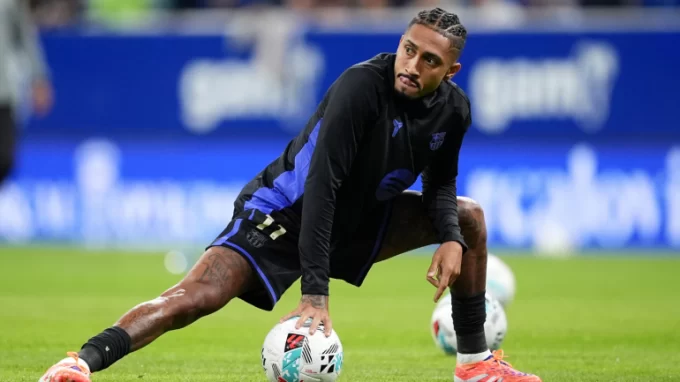
Barcelona’s Fragile Pursuit: When Injuries Threaten More Than Just a Season
A silence spreads over Camp Nou that no roar can drown out—two...
Chris Marks2 Mins read
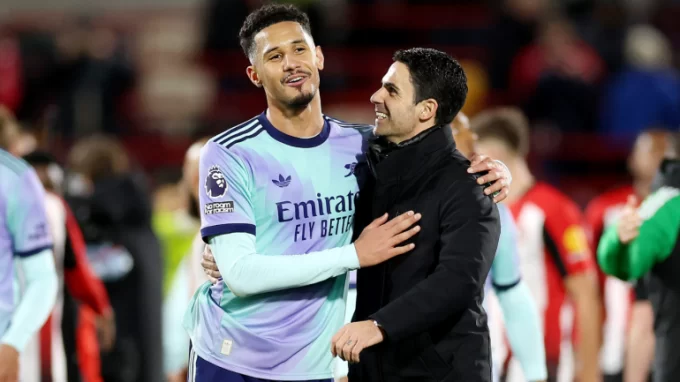
William Saliba: Arsenal’s Silent Architect or Its Greatest Gamble?
The air inside the Emirates shifts with unspoken tension—William Saliba, once a...
 Joseph Bennett2 Mins read
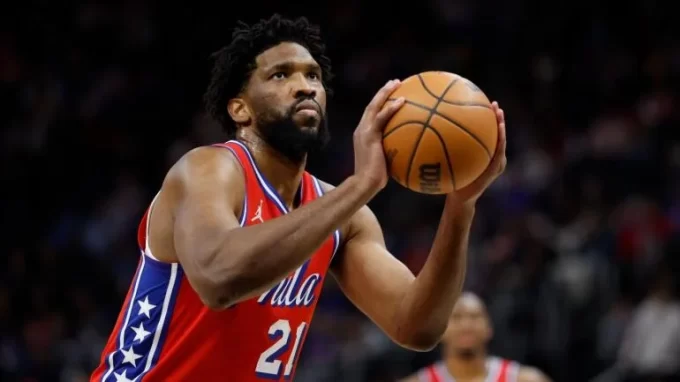
Joel Embiid’s Quiet Confidence: Is the 76ers’ Giant Ready to Rewrite His Story?
Joel Embiid is rarely one to make noise without purpose, and now,...
 Kirsten Collins1 Mins read
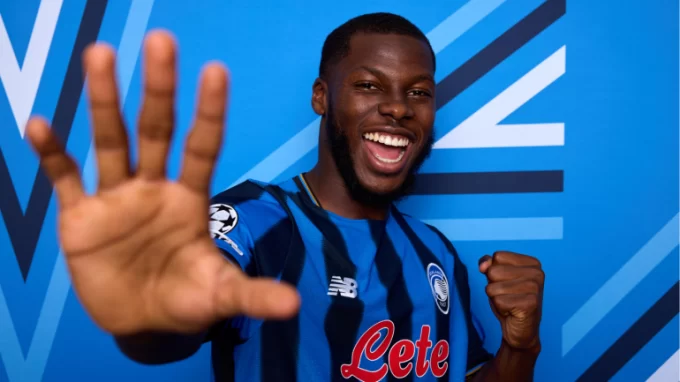
Juventus, Atalanta, and Arsenal’s Quiet Revolution: What’s Really Shaping This Week in Football?
The roar of Serie A stadiums masks a subtle shift, one that...
Kirsten Collins2 Mins read





Leave a comment