

Carey Mulligan and Greta Gerwig’s Narnia: A Casting Twist That Changes Everything
When Carey Mulligan joins Greta Gerwig’s Narnia adaptation, the air shifts. Is this simply another star-studded casting, or is something much larger at play? Mulligan’s presence may be the key to unlocking a Narnia we've never imagined.
 Krista FreelandMay 20, 20253 Mins read26
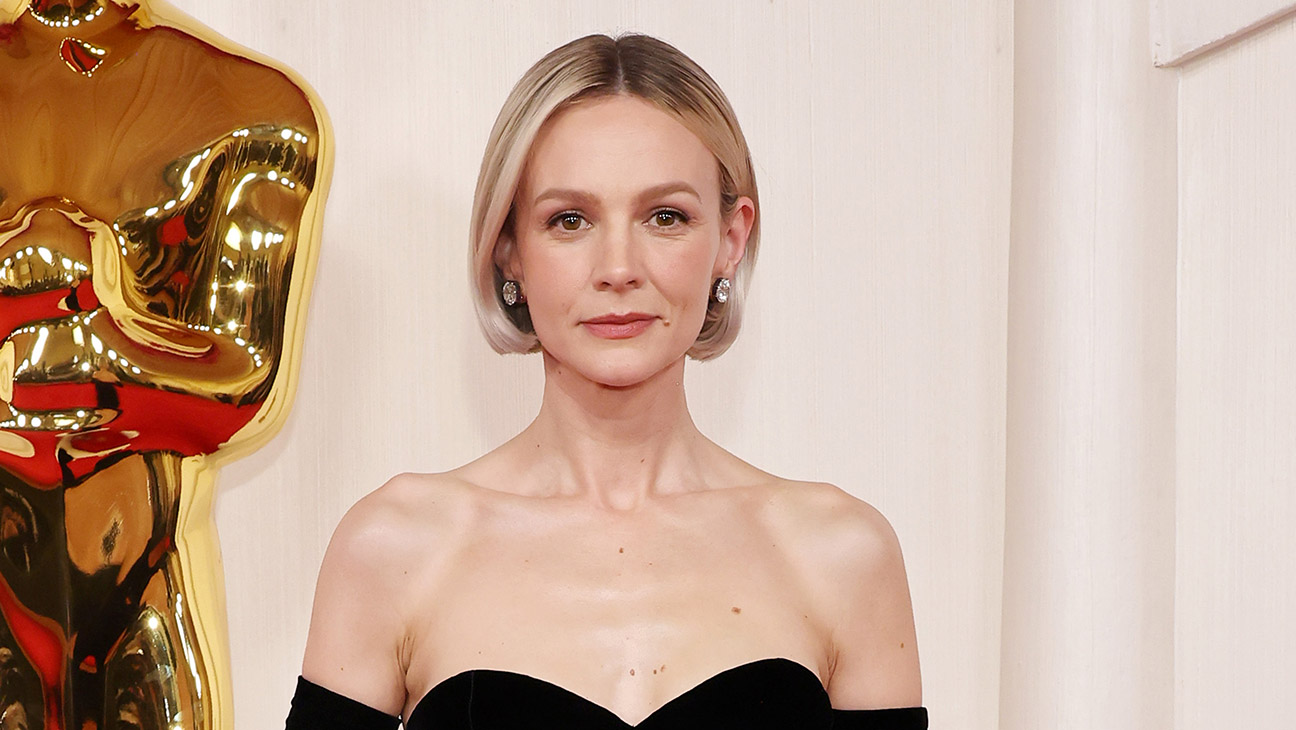
When A Casting Choice Stops Time
Carey Mulligan in Narnia. It’s a sentence so loaded with promise, it feels like the opening of a new era. The announcement that Mulligan will star in Greta Gerwig’s adaptation of the beloved Narnia series is not just a casting tidbit—it’s a seismic shift in how we perceive the future of fantasy cinema. It’s not about the role she’s taking on; it’s about what her involvement says about the evolving landscape of Hollywood, about the stories we tell, and the way we tell them.
Carey Mulligan, the chameleon actress known for her raw intensity and understated elegance, has been a darling of critical cinema for years. Her roles in films like An Education and Promising Young Woman marked her as a master of nuance. But Narnia? This is a universe where lions talk and magic exists—where epic battles are fought and kingdoms rise. What does it mean for someone like Mulligan, with her quiet gravitas, to enter this world? And what kind of Narnia will emerge when she’s there?
The Greco-Roman Elegance of Narnia Reborn
Greta Gerwig, a director who has turned the mundane into profound in films like Lady Bird and Little Women, is at the helm of this reimagining of Narnia. If you look closely, you can already see the direction this will take. Gerwig is a master at transforming the familiar into something new, at taking a well-worn narrative and twisting it into something unrecognizable but deeply familiar. She’s going to inject Narnia with a sense of whimsy and intellect—what could be more suited to this universe than a filmmaker who has, with each of her films, insisted on complicating the simple narratives we thought we knew?
Mulligan’s casting is less a coincidence than it seems. There’s a weight to her roles—each one carries an emotional depth that somehow adds complexity to even the most fantastical of worlds. In Gerwig’s Narnia, what will it mean for her to embody a character? And how will her presence shape the way we view these mythical creatures and their realm? Will she embody the same quiet strength that Lucy Pevensie once did? Or is Gerwig’s vision entirely different, twisting the iconic roles we thought we knew?
The Gendered Possibilities of a Reimagined Narnia
Gerwig’s Narnia promises to be more than just a retelling. We are in an era where stories about power, agency, and identity are redefined with every passing film. Gerwig has long been celebrated for her feminist lens, for her reimagining of the way we view relationships, ambition, and even innocence. When you add Mulligan to this equation, you get a tantalizing thought: Could the Narnia we’ve always known become a feminist parable, subverting expectations and introducing nuanced, complex female characters into the very heart of this male-dominated fantasy realm?
One of the greatest challenges of adapting Narnia for modern audiences is balancing its nostalgia with the demands of contemporary cinema. The world of Narnia is rich in allegory and mythology, but it also contains deep questions of leadership, bravery, and destiny. In a world where these themes are often tied to male heroes, what does it mean for a woman like Mulligan to enter the fray? Will she be cast as a mother figure, a matriarch guiding a new generation? Or will she break new ground, representing a kind of strength that Narnia has yet to see?
The Unanswered Question: What Does Mulligan’s Role Mean?
There is a mystery in Mulligan’s casting that transcends the usual Hollywood gossip. This is not just about the film she’ll be in; it’s about what this casting decision says about our times. What does it say about the stories we are hungry for? What kind of Narnia will Gerwig create, and what role will Mulligan play in it? Is this the Narnia we’ve been waiting for, or is it something entirely new?
The answer may lie not in the film itself, but in the way we react to it. When Carey Mulligan steps onto that enchanted land, will we see her through the same lens as the past, or will she guide us toward a future that we can only begin to imagine?




Where Is Lawrence Jones on ‘Fox & Friends’? Health Update Amid Hiatus – Hollywood Life
Image Credit: Getty Images Fans of Lawrence Jones, a Fox & Friends...
 Kirsten Collins1 Mins read

Who Is Lexi Minetree? 5 Things to Know About the ‘Elle’ Series Actress – Hollywood Life
View gallery Image Credit: Getty Images for Hello Sunshine Lexi Minetree plays...
Kirsten Collins2 Mins read
Release Date, Cast & Updates on ‘Elle’ – Hollywood Life
View gallery Image Credit: Courtesy of Prime Video What, like producing a...
Kirsten Collins2 Mins read
Updates on Academy Award Nominations – Hollywood Life
Image Credit: Warner Bros. Pictures Awards season kicked off earlier this month,...
Kirsten Collins2 Mins read



Leave a comment