

“Beyond the Spotlight: How Gabrielle Union and Marlon Wayans Are Redefining Parenthood in the Transgender Era”
In a world where celebrity endorsements often feel performative, Gabrielle Union and Marlon Wayans stand out—not just as allies, but as parents who have chosen to walk the challenging, transformative path of unconditional love for their transgender children.
 Krista FreelandMay 9, 20252 Mins read21
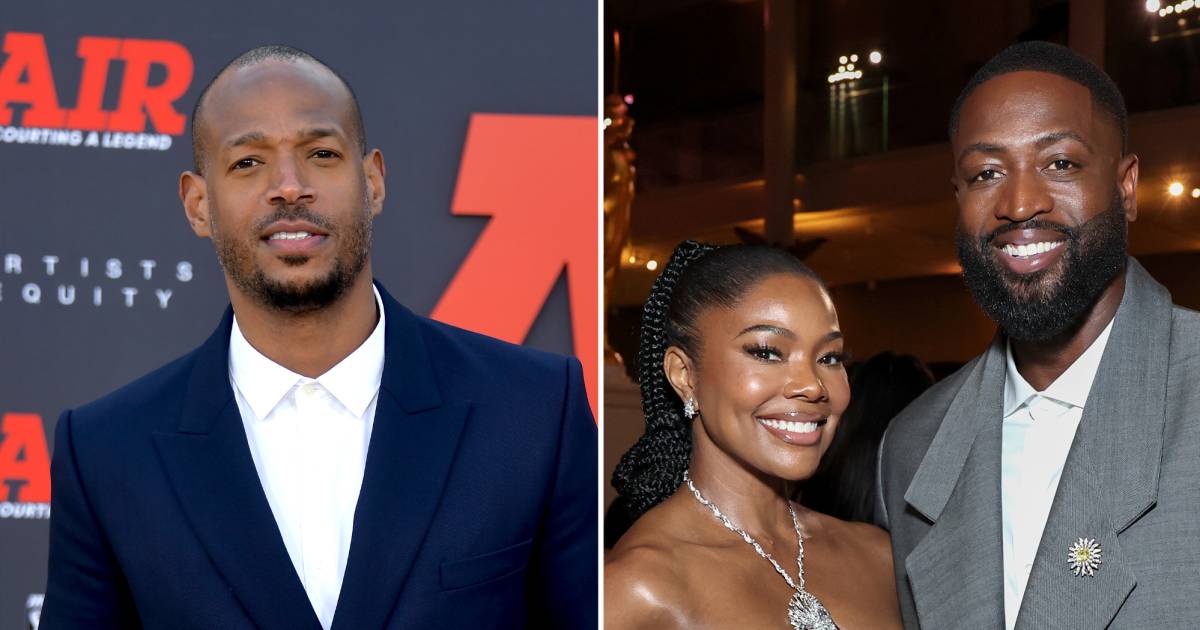
In the glare of Hollywood’s unforgiving spotlight, where every gesture is magnified and every word dissected, Gabrielle Union and Marlon Wayans have chosen a path less traveled: one of profound, unapologetic love for their transgender children. Their journeys are not mere anecdotes of celebrity benevolence; they are intimate chronicles of transformation, courage, and the quiet revolution of redefining parenthood in the 21st century.
Unmasking the Myth of Unconditional Love
When Zaya Wade, daughter of Union and Dwyane Wade, publicly embraced her transgender identity, she did not just come out to the world; she invited it into her family’s most sacred spaces. Union, ever the advocate, responded not with grandiose statements, but with a simple, powerful truth: “When they tell us who they are, we should believe them.” This wasn’t a public relations move—it was a declaration of faith in her child’s autonomy and a repudiation of the societal forces that seek to silence such truths.
The Weight of Visibility
Marlon Wayans’ revelation about his son Kai’s transition was not just a personal admission; it was a public act of vulnerability. In his stand-up special “Good Grief,” Wayans transformed his initial shock into a narrative of acceptance, using humor as both shield and sword. “Unconditional love allows us to step in and listen and learn,” he remarked, acknowledging the discomfort that often accompanies growth. His openness has since sparked a ripple effect, with figures like Dwyane Wade offering their support, recognizing the shared experience of parenting a transgender child in a world that still grapples with understanding.
The Intersection of Identity and Advocacy
Union and Wayans are not isolated cases; they are part of a growing movement of public figures who are leveraging their platforms to advocate for transgender rights. Their actions transcend performative allyship; they embody a commitment to dismantling the barriers that hinder acceptance and understanding. In a society where LGBTQ+ youth face unprecedented challenges, these parents are not just supporting their children—they are challenging the very narratives that seek to marginalize them.
A Call to Action
As we witness these celebrities navigate the complexities of parenthood in the public eye, we are compelled to ask ourselves: What does true support look like? Is it enough to offer words of encouragement, or must we also confront the systems that perpetuate discrimination? Union and Wayans have shown that the answer lies not in passive endorsement, but in active, unwavering support that transcends the individual and seeks to uplift the collective.
In the end, their stories are not just about celebrity parents—they are about all of us. They challenge us to reconsider our definitions of family, love, and allyship. And perhaps, in doing so, they invite us to embark on our own journeys of transformation.







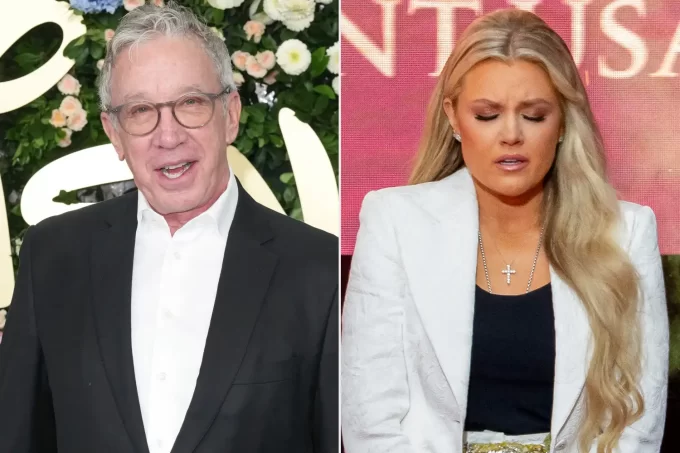
When Mercy Meets Tragedy: The Widow Who Forgave Her Husband’s Killer
The air thickens when forgiveness enters a room meant for grief. Imagine...
 Chris Marks1 Mins read
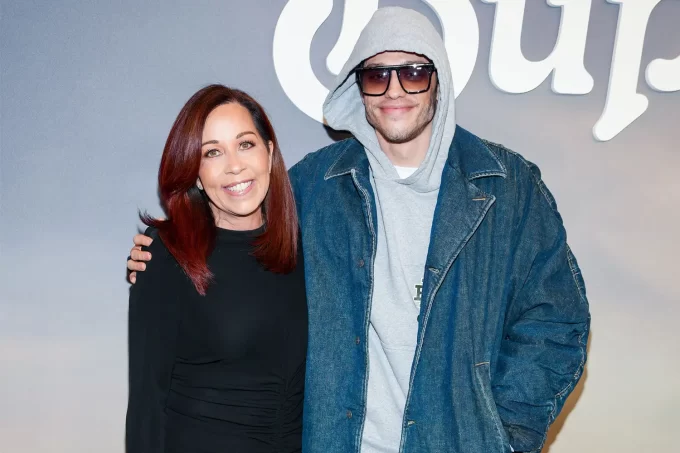
When Fear Became a Lifeline: Pete Davidson’s Reckoning in Rehab
There’s a silence that follows a mother’s voice when she confesses her...
 Joseph Bennett1 Mins read
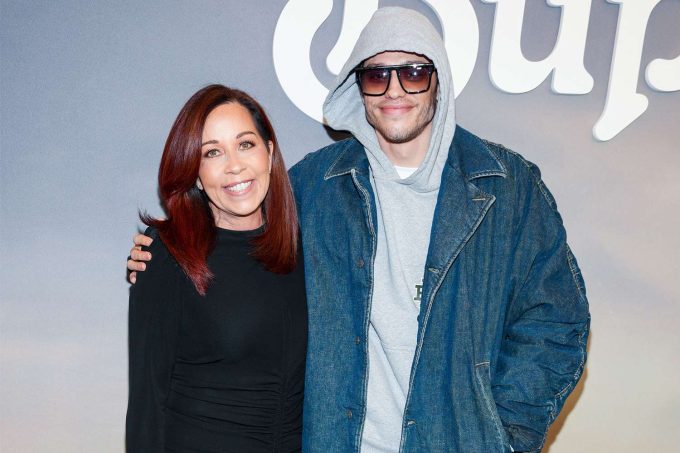
Pete Davidson’s mom told him in rehab worst fear was learning he died
Pete Davidson is opening up about the heartbreaking moment he had with...
Chris Marks2 Mins read
Katie Couric’s Unexpected Spin on Sydney Sweeney’s American Eagle Ad: What’s Really Being Said?
Katie Couric stepping into a scene dominated by Gen Z glamour feels...
Krista Freeland2 Mins read



Leave a comment