

When Celine Dion Met the Prince of Darkness
Celine Dion, Ozzy Osbourne, Celine Dion tribute, rock and pop culture, music icons, unexpected tribute, Prince of Darkness, pop meets metal, Celine Dion Ozzy Osbourne, celebrity homage, culture clash music, iconic musicians, music legacy, Dion Osbourne connection
 Chris MarksJuly 31, 20252 Mins read20
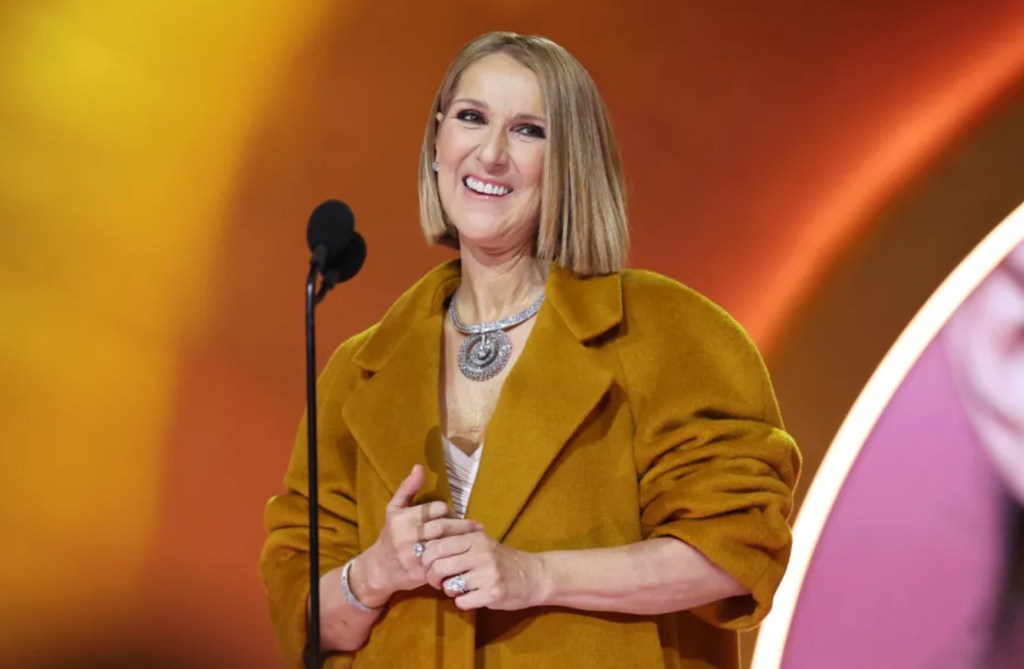
She didn’t need to scream. Celine Dion, ever poised, didn’t raise her voice when she spoke of Ozzy Osbourne—but the silence around her words was more jarring than any electric guitar. It was reverent. Unlikely. Unsettling. There she stood, a woman of crystalline notes and couture grace, paying homage to the man who once bit the head off a bat. And somehow, it wasn’t bizarre. It was poetic.
The tribute wasn’t performative; it was personal. There was no glam-rock staging, no chorus of bats flying overhead—just a solemn nod across genres, generations, and entire aesthetic galaxies. “He never pretended to be anything but who he was,” she said, almost wistfully, the kind of admiration reserved not for gimmicks, but for guts. The world listened. Not because they expected her to say it—but because she did.
Velvet Meets Venom
There’s something almost mythological about Celine and Ozzy sharing a sentence, let alone a sentiment. She represents discipline, control, the divine power of a perfectly held note. He is chaos incarnate, the unpredictable surge that makes the amp scream and the world tilt. Yet, in the fragile years they both now inhabit—Ozzy with his Parkinson’s diagnosis, Celine with her stiff person syndrome—their mutual vulnerability becomes a rare meeting point.
It’s as if the sheen of their personas has cracked just enough to reveal something rawer beneath the rhinestones and leather. For decades, we placed them in separate silos: the Vegas queen of vocal purity and the blood-splattered godfather of metal. But what if the real icons aren’t who we thought they were? What if greatness, stripped of costume, sounds more like recognition than reinvention?
The Ballad Beneath the Scream
Tributes like Dion’s aren’t just about the subject. They are mirrors turned inward. And in a world where celebrity statements are typically PR-curated half-truths, this felt like a rare moment of artistic honesty—of one legend telling another: I see you. Not through your fans, not through your press, but through the courage it takes to keep existing when your voice, or your body, begins to falter.
What happens when the strongest voices in music begin to go quiet—voluntarily or otherwise? Maybe that’s when we truly start listening. Maybe Dion’s gesture wasn’t just about Ozzy’s legacy, but about her own, refracted through his. In the end, what’s more rock ‘n’ roll than an opera-trained diva saluting a haunted metal king?
And maybe—just maybe—the softest voice in the room leaves the most echo.



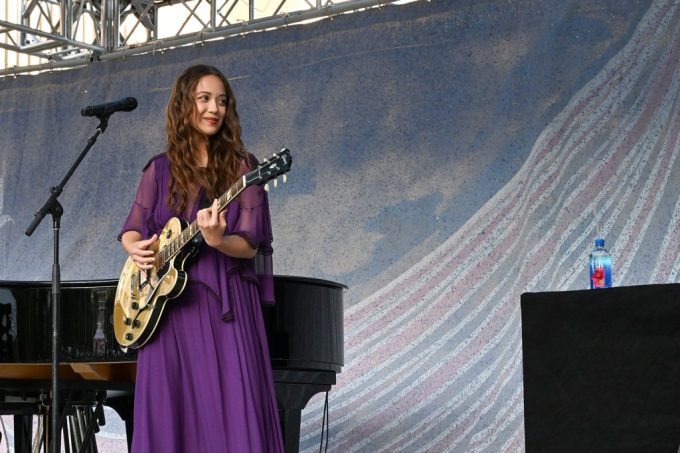
Laufey’s Opening Night Show at LA’s Crypto.com Arena: Best Moments
Laufey opened a two-night stand at Crypto.com Arena in downtown Los Angeles...
Chris Marks6 Mins read
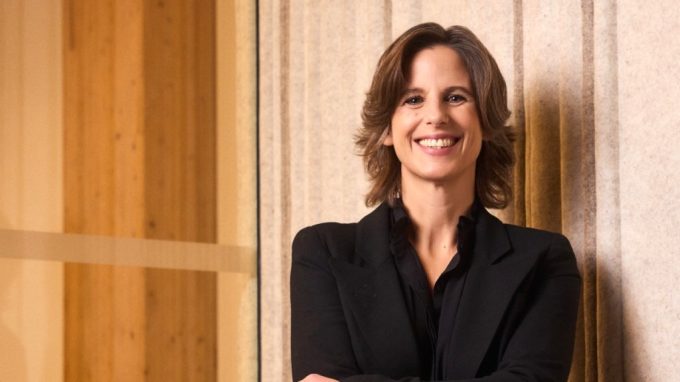
Julie Adam Is Billboard Canada Women in Music’s 2025 Exec of the Year
Julie Adam is having a milestone year — and it’s getting even...
Chris Marks4 Mins read
Spinal Tap Tribute Album with Foo Fighters,Tool for Teen Cancer America
Spinal Tap may be a fake band, but its music is very...
Chris Marks2 Mins read
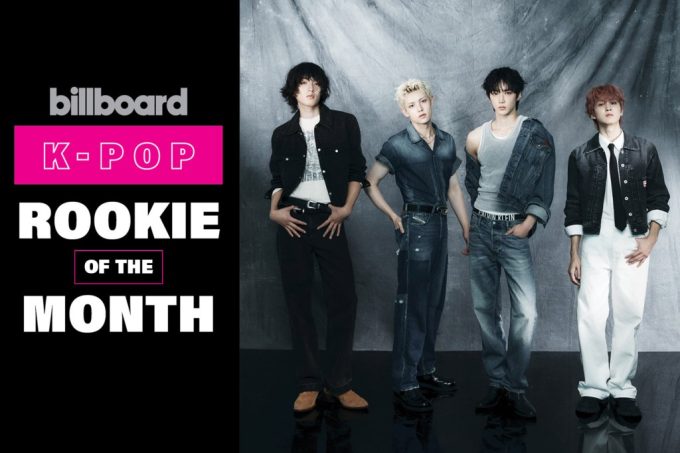
AxMxP Is K-Pop Rookie of the Month for September: Exclusive Photos
Ha Yoo Joon Image Credit: Chin Soyeon You debuted on Sept. 10....
Chris Marks2 Mins read




Leave a comment