

The Fall of an Empire? Wyc Grousbeck’s Sudden Exit from Celtics’ Throne
When Wyc Grousbeck abruptly relinquishes his role as governor amid a historic $6.1 billion sale, the stunning shift raises urgent questions about legacy, power, and who truly controls the Celtics.
 Chris MarksAugust 12, 20251 Mins read18
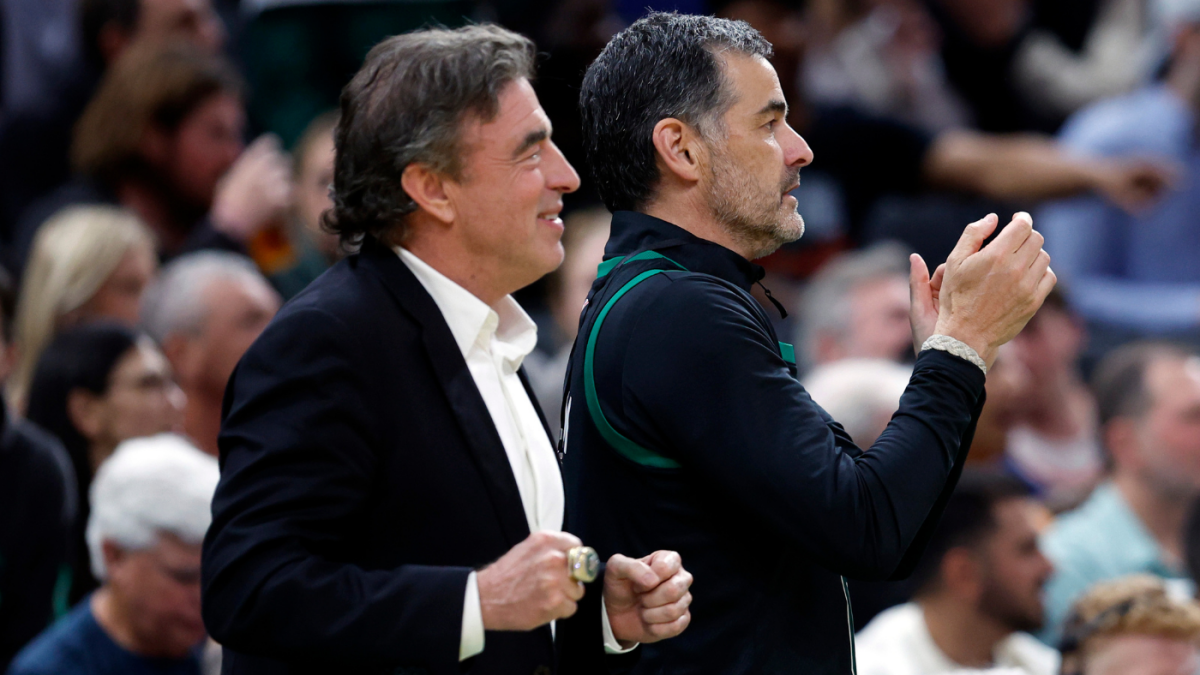
There’s a void where certainty once reigned. When reports surfaced that Wyc Grousbeck would not continue as governor of the Boston Celtics—despite prior plans to remain in place until 2028—the move felt less like a transfer and more like an unraveling of a dynasty. After more than two decades leading the franchise to championship glory, the question is no longer if something profound has shifted, but how far the current will carry us.
Grousbeck, who shepherded the Celtics through hard-won triumphs in 2008 and—most recently—the title of 2024, will step into the role of alternate governor while retaining his CEO status through 2028. The new majority owner, Bill Chisholm, will assume the governor’s mantle immediately, not in 2028 as originally expected.
“Legacy vs. Leverage”
This is more than a rearrangement of titles. The NBA mandates that a governor must maintain at least a 15% ownership stake—a threshold Grousbeck no longer meets. What was once portrayed as a smooth transition now reads as a recalibration of real power. Grousbeck’s statement—that he and Chisholm “plan to run the team together as originally planned”—carries echoes of goodwill, but also the hollow ring of a concession.
“The Burden of Being the Face”
The Celtics had envisioned continuity. Now, fans must grapple with rupture. Who still carries the Celtics’ soul? Grousbeck’s retreat isn’t just strategic—it is emotional. He sells not just ownership, but a family identity entwined with banners and hardwood moments. The transition forces us to ask: In sports, can legacy survive a succession? Or is it always rewritten by the incoming hand?
As Chisholm ascends, the Celtics enter a new era—one where fandom must reconcile with the unfamiliar. But beneath every trade, every press release, is the silent question: In the game of legacy, who truly holds the keys—those who build, or those who buy?





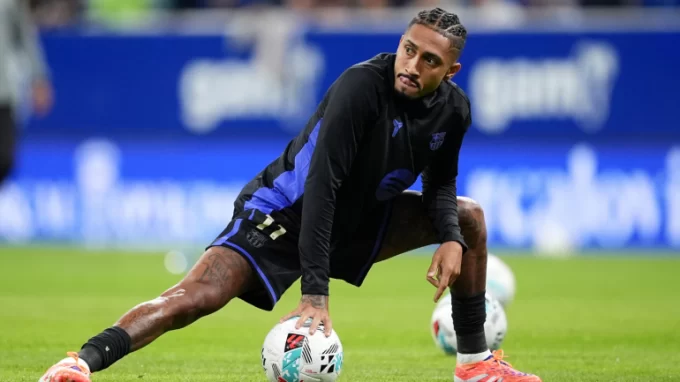
Barcelona’s Fragile Pursuit: When Injuries Threaten More Than Just a Season
A silence spreads over Camp Nou that no roar can drown out—two...
Chris Marks2 Mins read
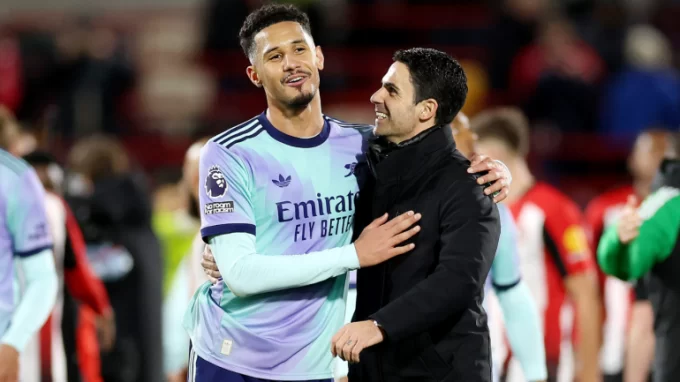
William Saliba: Arsenal’s Silent Architect or Its Greatest Gamble?
The air inside the Emirates shifts with unspoken tension—William Saliba, once a...
 Joseph Bennett2 Mins read
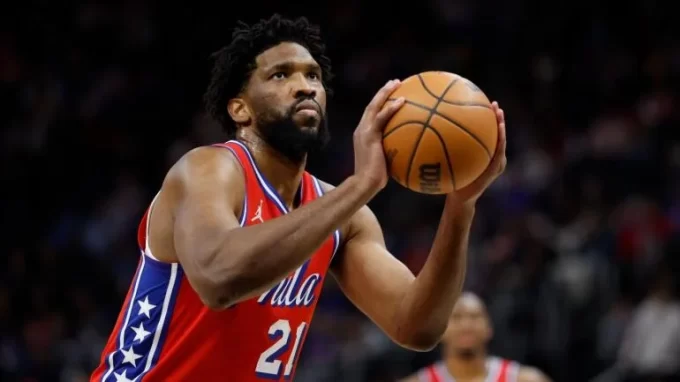
Joel Embiid’s Quiet Confidence: Is the 76ers’ Giant Ready to Rewrite His Story?
Joel Embiid is rarely one to make noise without purpose, and now,...
 Kirsten Collins1 Mins read
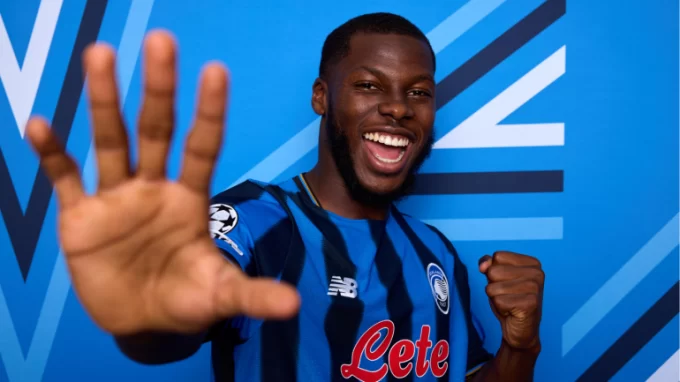
Juventus, Atalanta, and Arsenal’s Quiet Revolution: What’s Really Shaping This Week in Football?
The roar of Serie A stadiums masks a subtle shift, one that...
Kirsten Collins2 Mins read





Leave a comment