

Joe Mazzulla’s Quiet Revolution: Celtics’ New Era Beyond the Scoreboard
From interim coach to multi-year architect, Joe Mazzulla’s ascent with the Celtics is less about flashy wins and more about forging a culture that questions everything we thought about NBA leadership.
 Chris MarksAugust 8, 20252 Mins read16
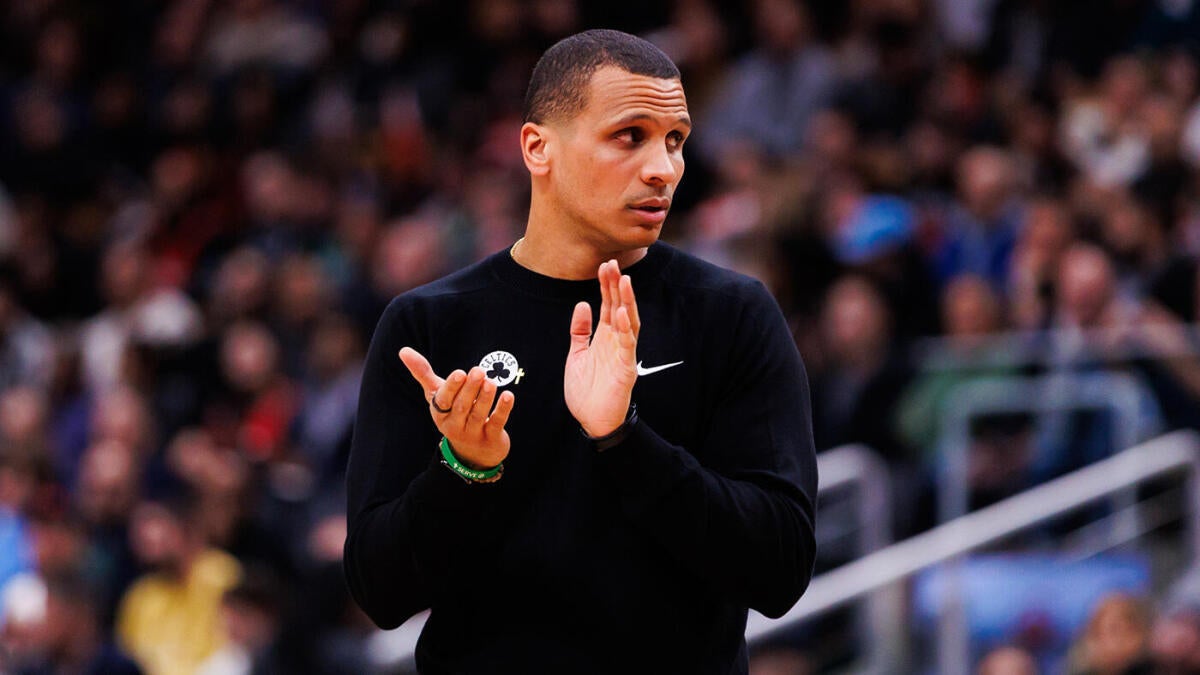
The locker room buzzed with a tension that felt less like panic and more like the birth of something uncertain. Joe Mazzulla, the unassuming figure once relegated to the background, was now the center of the Celtics universe—his multi-year contract extension a quiet yet seismic declaration. In a league where coaching tenures are often measured by highlight reels and headline-grabbing drama, Mazzulla’s story whispers of a different kind of power: the slow, deliberate reimagining of what it means to lead.
It’s tempting to reduce Mazzulla’s rise to a story of raw talent meeting opportunity. But that would miss the point entirely. The Celtics aren’t just betting on a coach—they’re betting on an ethos that embraces discomfort, resilience, and a kind of intellectual rigor rare in professional sports. “Joe brought us clarity when clarity was the last thing we had,” a team insider confides, hinting at a transformation that defies the simplistic narratives fans crave.
The Art of the Subtle Takeover
Mazzulla’s approach is less the booming general, more the meticulous conductor—crafting rhythm, timing, and trust. His extension signals a confidence not just in wins, but in a vision that’s slowly folding out. Could this be the blueprint for a new NBA coaching paradigm? Where strategy intertwines with psychology, and where adaptability trumps traditional play-calling? It’s a gamble on patience, a counterpoint to the immediacy obsessed culture that dominates sports headlines.
What makes this even more compelling is the shadow cast by his predecessor—an era marked by towering personalities and volatile dynamics. Mazzulla’s tenure, by contrast, hints at a quieter power, one that thrives on steadiness rather than spectacle. This raises an unavoidable question: are we witnessing the decline of the coaching ego in favor of collective intelligence?
Whispered Legacies and Unseen Battles
Behind the scenes, Mazzulla’s leadership has already rewritten expectations. It’s not merely about X’s and O’s on a whiteboard but about crafting a narrative that players buy into—one where every practice, every meeting, holds weight. “He’s not just coaching basketball; he’s coaching us to be better humans,” a veteran player revealed, capturing the subtle yet profound impact Mazzulla’s presence commands.
And yet, the quietness of this revolution is precisely what makes it so fragile. The NBA is an unforgiving stage, and patience is a scarce commodity. Will the Celtics’ front office stand firm when the spotlight demands instant gratification? Or will the siren call of flashier alternatives lure them away from this deliberate experiment?
This contract extension is not just an affirmation—it’s a question posed to the entire basketball world: Can greatness be cultivated in whispers rather than shouts? Joe Mazzulla’s story suggests the answer might be found not in the scoreboard’s glare, but in the shadows where legacy is quietly forged.





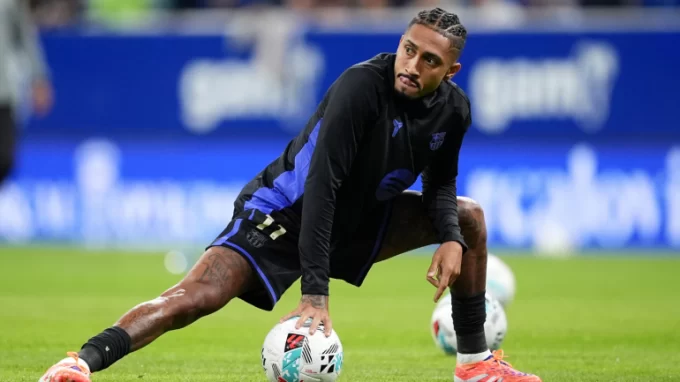
Barcelona’s Fragile Pursuit: When Injuries Threaten More Than Just a Season
A silence spreads over Camp Nou that no roar can drown out—two...
Chris Marks2 Mins read
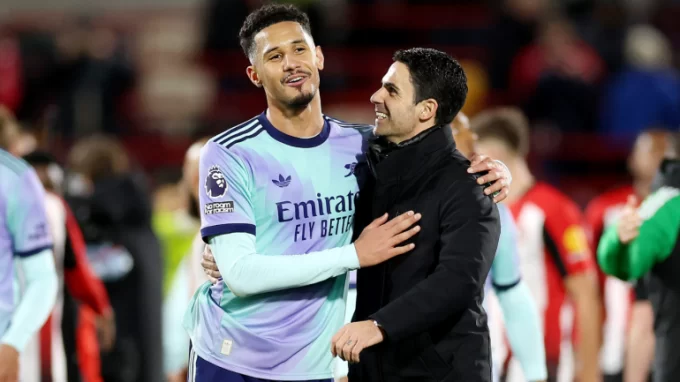
William Saliba: Arsenal’s Silent Architect or Its Greatest Gamble?
The air inside the Emirates shifts with unspoken tension—William Saliba, once a...
 Joseph Bennett2 Mins read
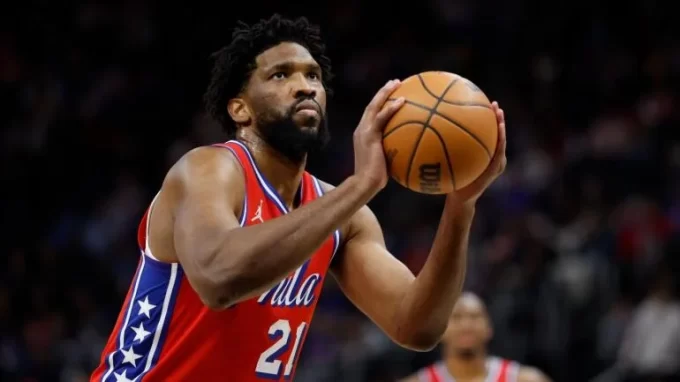
Joel Embiid’s Quiet Confidence: Is the 76ers’ Giant Ready to Rewrite His Story?
Joel Embiid is rarely one to make noise without purpose, and now,...
 Kirsten Collins1 Mins read
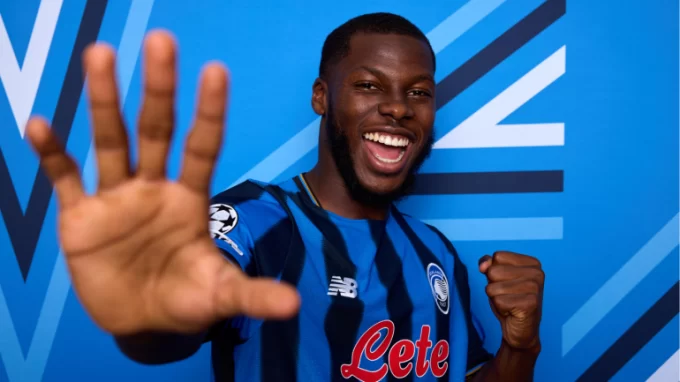
Juventus, Atalanta, and Arsenal’s Quiet Revolution: What’s Really Shaping This Week in Football?
The roar of Serie A stadiums masks a subtle shift, one that...
Kirsten Collins2 Mins read





Leave a comment