

The Art of the Quiet Trade
While the Celtics quietly swap Georges Niang for a taller future, the bigger story may be what Boston is becoming—off the scoreboard.
 Chris MarksAugust 5, 20252 Mins read18
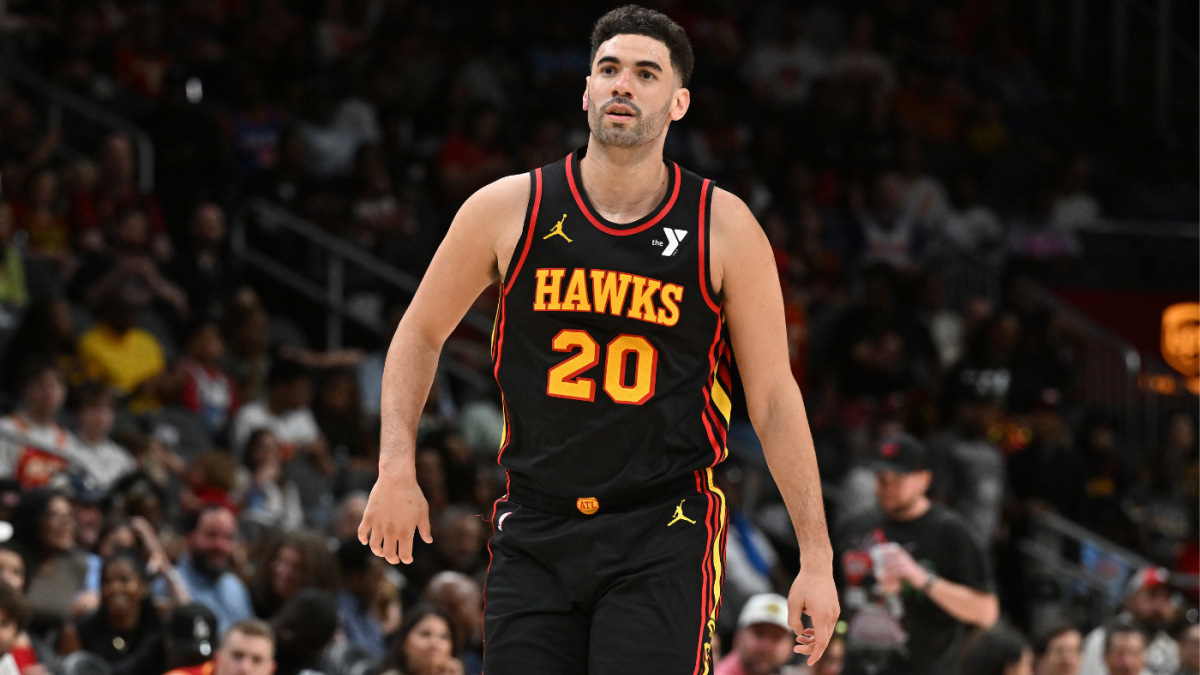
Georges Niang is gone, and no one seems to be screaming. Which is precisely the point. In a league that loves its blockbusters bloody, the Boston Celtics made a trade that barely flickered across the sports industrial complex. Niang heads back to Utah—his old haunt—and Chris Boucher, that long-limbed Canadian mystique, arrives in green. No fanfare. No jersey reveals. Just shadows moving under the radar of a dynasty recalibrating.
Yet in Boston, silence is never just silence. It’s code. This was not a trade—it was a whisper of the future. Because you don’t let go of a glue guy like Niang unless the glue has dried. Or worse, cracked.
Something Taller, Something Stranger
Boucher is not the player you trade for—he’s the player you hope becomes something. He’s wiry, elastic, unpredictable. On the right night, he’s a windstorm. On the wrong one, he’s a ghost. What Boston gains in reach, it risks in rhythm. Niang wasn’t sexy, but he was solid. The kind of locker room gravity that doesn’t show up in box scores but holds a bench together like gospel.
It begs the question: what do the Celtics think they’re building? Because this isn’t about points in the paint or backup rotations. It’s about archetypes. “We’re just focused on length and versatility,” a team source reportedly said. But that’s corporate-speak for something deeper. Are they building a new kind of frontcourt? Or just assembling a collection of arms?
There’s a beauty in the gamble. But only if the house doesn’t burn down before the cards turn.
The Ghost of Systemic Winning
Boston is no stranger to reinvention. From Bird to Garnett to Tatum, the franchise has always flirted with the myth of continuity while changing its skin every decade. But something about this move feels unusually fluid—intentionally incomplete. Maybe that’s the point. The new Celtics aren’t trying to win every game. They’re trying to win the game behind the game. The optics game. The narrative game. The long game.
And in that long game, Boucher makes sense. He’s not here to anchor a team. He’s here to hint at evolution. A taller chess piece on a board that’s being redrawn.
So yes, Georges Niang is gone. And Chris Boucher has arrived. But don’t let the simplicity fool you. This is not a trade—it’s a transition.
Because sometimes, in Boston, the quietest move is the one that changes everything.
And sometimes, the players we don’t shout about are the ones who haunt the rafters longest.





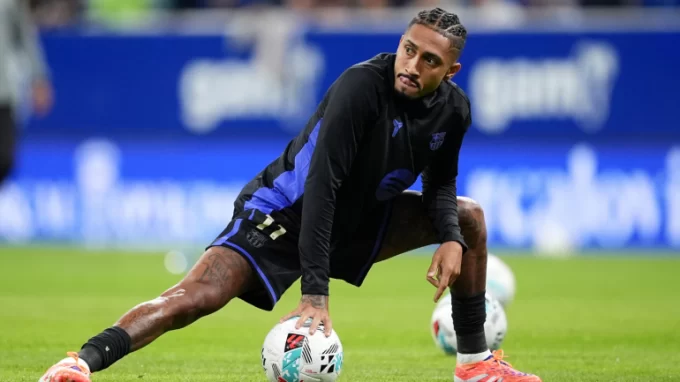
Barcelona’s Fragile Pursuit: When Injuries Threaten More Than Just a Season
A silence spreads over Camp Nou that no roar can drown out—two...
Chris Marks2 Mins read
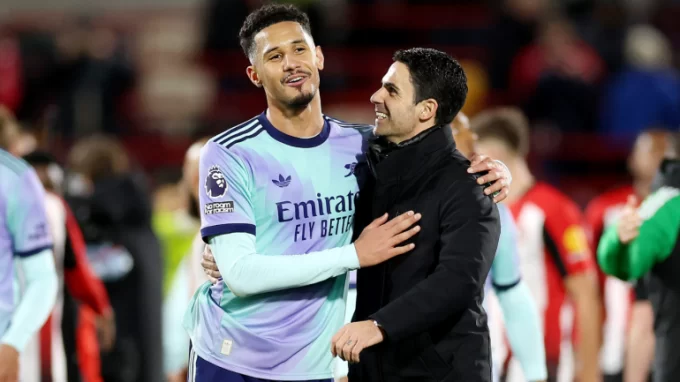
William Saliba: Arsenal’s Silent Architect or Its Greatest Gamble?
The air inside the Emirates shifts with unspoken tension—William Saliba, once a...
 Joseph Bennett2 Mins read
Joel Embiid’s Quiet Confidence: Is the 76ers’ Giant Ready to Rewrite His Story?
Joel Embiid is rarely one to make noise without purpose, and now,...
 Kirsten Collins1 Mins read
Juventus, Atalanta, and Arsenal’s Quiet Revolution: What’s Really Shaping This Week in Football?
The roar of Serie A stadiums masks a subtle shift, one that...
Kirsten Collins2 Mins read





Leave a comment