

Wideout Workshop: Where Legends Teach—and Rivalries Awaken
Chad Johnson’s inaugural Miami retreat brought elite receivers together—but brilliance often breeds rivalry, and mentorship can crack egos.
 Joseph BennettJuly 10, 20252 Mins read18

He paced the line of cones, catchable shapes shimmering under Miami sun—Tyreek Hill, Ja’Marr Chase, Tee Higgins all listening as Chad “Ochocinco” Johnson lowered his voice to teaching tone. It felt like ceremony: instruction draped in tension, each player aware that legacy doesn’t just repeat—it’s reinvented.
This wasn’t casual camp. Dayton’s formidable roster ran routes, sharpened footwork and release off the line. Yet under the façade of drills lay questions—what makes a star stay hungry among equals? What cracks when Legends assess your technique?
That tweet—posted with Madden‑rating menace—was classic ochocinco: “all who skip get a 65 rating.” It was levity, branding—and challenge all at once. Some watched. Xavier Restrepo, the rookie who posted “Legendary vibes!!” felt shook by the atmosphere. High ceilings carry echoes—and criticism.
Between Swagger and Structure
Hill’s blur through cones wasn’t just speed—it was statement. Chase’s sleek separation drills looked rehearsed, surgical. Higgins squared his knees at every cut. But behind each stride is question: who here is still student, who already a rival?
This Beachside alumni included Robby Chosen, Tank Dell, Elijah Moore, Jayden Reed, Jerry Jeudy, Courtland Sutton, Jaxon Smith‑Njigba, Xavier Restrepo and KJ Osborn. A who’s who of rising stars and tested pros, converging under one former showman’s curation. What unmeasures in drills will define separation when lights come on?
When Ego Meets Education
Johnson hasn’t just invited peers—he’s curated competition. He joked about denying Madden cred if attendance slipped, yet this workshop pulsed with more: status, mentorship, hierarchy. For pros, it’s proof you still matter. For rookies, it’s baptism by fame.
Restrepo’s early tweet captures that duality: “Legendary vibes‼️❤️ So grateful!” Gratitude masked gravity—this is proving ground as much as retreat. The weight of presence shifts the script: no one here is anonymous, everyone is auditioning—even among peers.
This retreat only lasted three days—but its implications linger. A foundation for future innovation perhaps—or a crucible of ego where genius resents teaching. Johnson’s goal: leave them in pursuit of legacy, but what if they discover how much they don’t yet own? Here, brilliance is communal—but survival is personal.
The final exercise dripped in symbolism: matchups where Hill tangled with Chase, Higgins with Sutton. Mirror drills that looked equal—and yet uneasy. And when Ochocinco called “reset,” they reset—but only on surface.
They left sweaty, sharper, more aware. But beneath the final applause lies the thought: who left Miami a little unsettled? Who now carries ambition tinged with doubt? In coaching brilliance, you risk sparking insecurity. And yet that friction may be the point.
Because true mastery isn’t taught—it’s provoked.






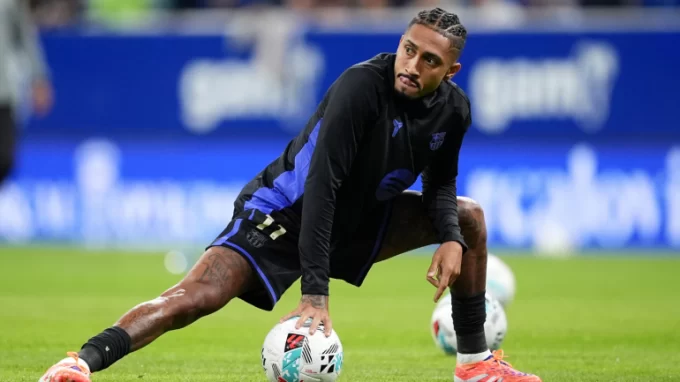
Barcelona’s Fragile Pursuit: When Injuries Threaten More Than Just a Season
A silence spreads over Camp Nou that no roar can drown out—two...
 Chris Marks2 Mins read
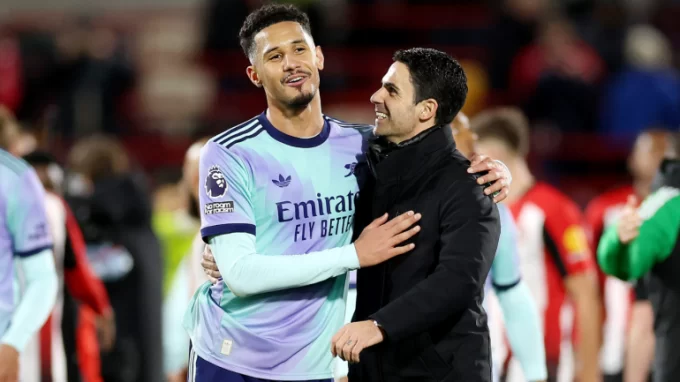
William Saliba: Arsenal’s Silent Architect or Its Greatest Gamble?
The air inside the Emirates shifts with unspoken tension—William Saliba, once a...
Joseph Bennett2 Mins read
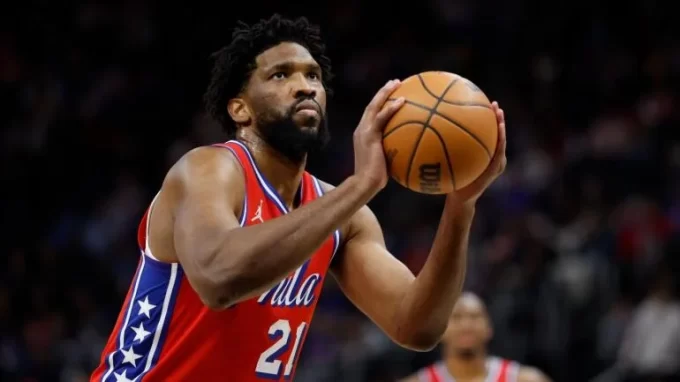
Joel Embiid’s Quiet Confidence: Is the 76ers’ Giant Ready to Rewrite His Story?
Joel Embiid is rarely one to make noise without purpose, and now,...
 Kirsten Collins1 Mins read
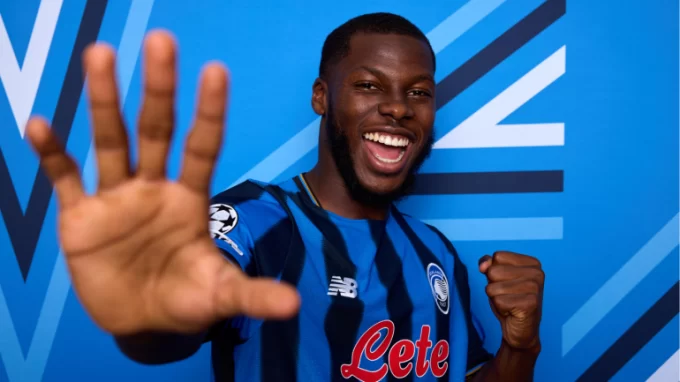
Juventus, Atalanta, and Arsenal’s Quiet Revolution: What’s Really Shaping This Week in Football?
The roar of Serie A stadiums masks a subtle shift, one that...
Kirsten Collins2 Mins read





Leave a comment