

Christian Pulisic Wanted More Than Minutes—So Why Did the USMNT Say No?
Christian Pulisic’s revelation that he sought to play in USMNT friendlies before the Gold Cup, only to be denied by coaching staff, opens a quiet rift in America’s soccer narrative. What does this decision say about control, trust, and the future of the national team’s biggest star?
 Chris MarksJune 12, 20251 Mins read22

Christian Pulisic’s voice cracks the polished facade of the USMNT’s public relations with an admission that feels less like a complaint and more like a whispered challenge. He wanted to step onto the pitch in friendlies before the Gold Cup, a chance to sharpen his edge, to prove his readiness, only to be sidelined by a coaching staff that decided otherwise. The question that hangs: why deny the team’s brightest star the very stage he craved?
This isn’t just about minutes or matches. It’s about trust, ambition, and perhaps a deeper tension within the national team’s hierarchy. When a player of Pulisic’s caliber asks for opportunity and receives a cold refusal, what unseen calculus governs such a choice? Is it caution? Politics? Or something more intangible—fear of disruption, control of narrative, or the slow erosion of a once-unified vision?
The Quiet Power Struggle
In the realm of elite sport, decisions like these are never purely tactical. They carry undercurrents of power. Pulisic’s desire to play in friendlies wasn’t merely about form; it was a plea to remain connected, relevant, vital to the team’s identity. The coaching staff’s refusal sends a message—not just to Pulisic but to everyone watching—that control may supersede collaboration.
“I wanted to play,” Pulisic admitted with a calm that belies the storm beneath. His words linger like a shadow: was this refusal a missed chance or a deliberate boundary drawn in the sand? The dance between player and coach, ambition and strategy, unfolds behind closed doors, but its consequences ripple through the public psyche.
More Than a Game
This episode spotlights a broader question about the future of US soccer. How does a team balance nurturing its marquee talents with collective harmony? And when those in power withhold opportunity, does it signal a deeper uncertainty about direction or belief? The answer is neither simple nor satisfying.
Pulisic’s moment of candor invites us to wonder: is this a sign of growing pains or cracks in the foundation? Can America’s soccer stars thrive in an environment where their will clashes with authority? Or is this the inevitable tension that precedes transformation—one that will reshape the narrative in ways we’ve only begun to imagine?
- American soccer politics
- Christian Pulisic
- Christian Pulisic interview
- Gold Cup 2025
- Pulisic denied playing time
- Pulisic Gold Cup exclusion
- soccer coaching tactics
- soccer player management
- US national team drama
- US soccer controversies
- USMNT coaching decisions
- USMNT friendlies
- USMNT leadership
- USMNT squad decisions




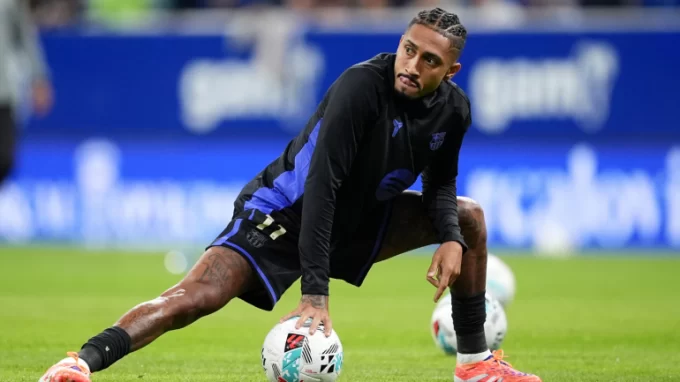
Barcelona’s Fragile Pursuit: When Injuries Threaten More Than Just a Season
A silence spreads over Camp Nou that no roar can drown out—two...
Chris Marks2 Mins read
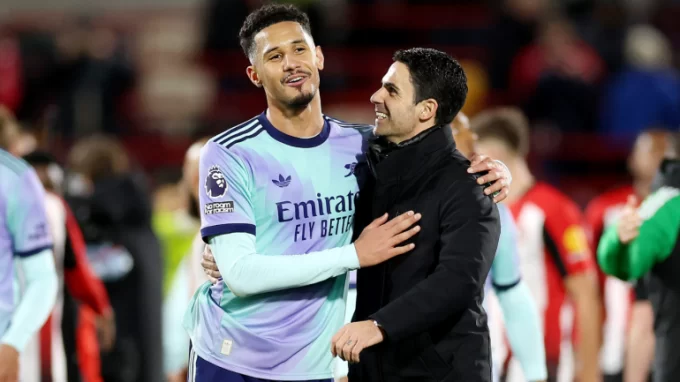
William Saliba: Arsenal’s Silent Architect or Its Greatest Gamble?
The air inside the Emirates shifts with unspoken tension—William Saliba, once a...
 Joseph Bennett2 Mins read
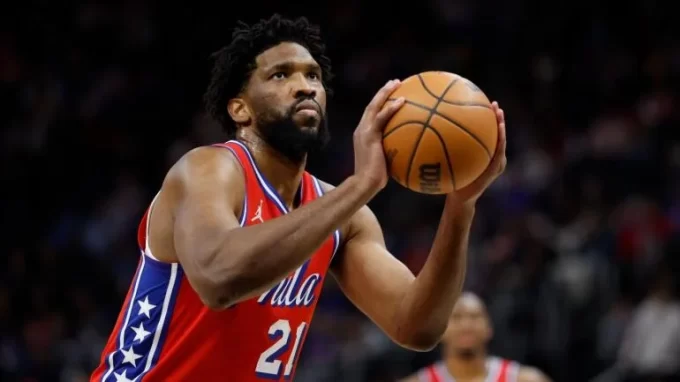
Joel Embiid’s Quiet Confidence: Is the 76ers’ Giant Ready to Rewrite His Story?
Joel Embiid is rarely one to make noise without purpose, and now,...
 Kirsten Collins1 Mins read
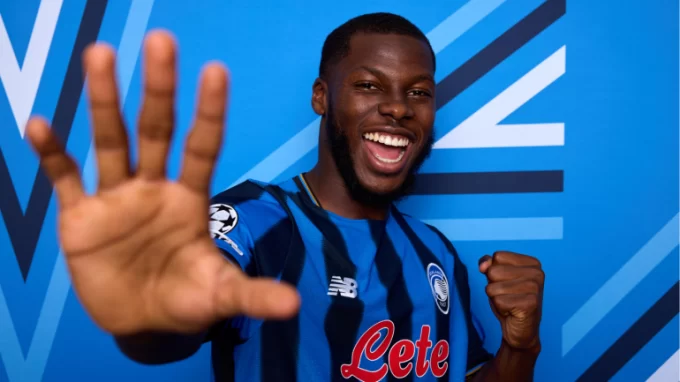
Juventus, Atalanta, and Arsenal’s Quiet Revolution: What’s Really Shaping This Week in Football?
The roar of Serie A stadiums masks a subtle shift, one that...
Kirsten Collins2 Mins read





Leave a comment