

The Kiss That Wasn’t a Kiss: Christian Wilkins and the Performance of Masculinity in the NFL
A fleeting, playful moment—one player leaning in to kiss the top of another's head—set off a quiet media stir. But was Christian Wilkins’ gesture merely misunderstood, or did it press too close to a line the NFL still refuses to name?
 Chris MarksJuly 28, 20252 Mins read19
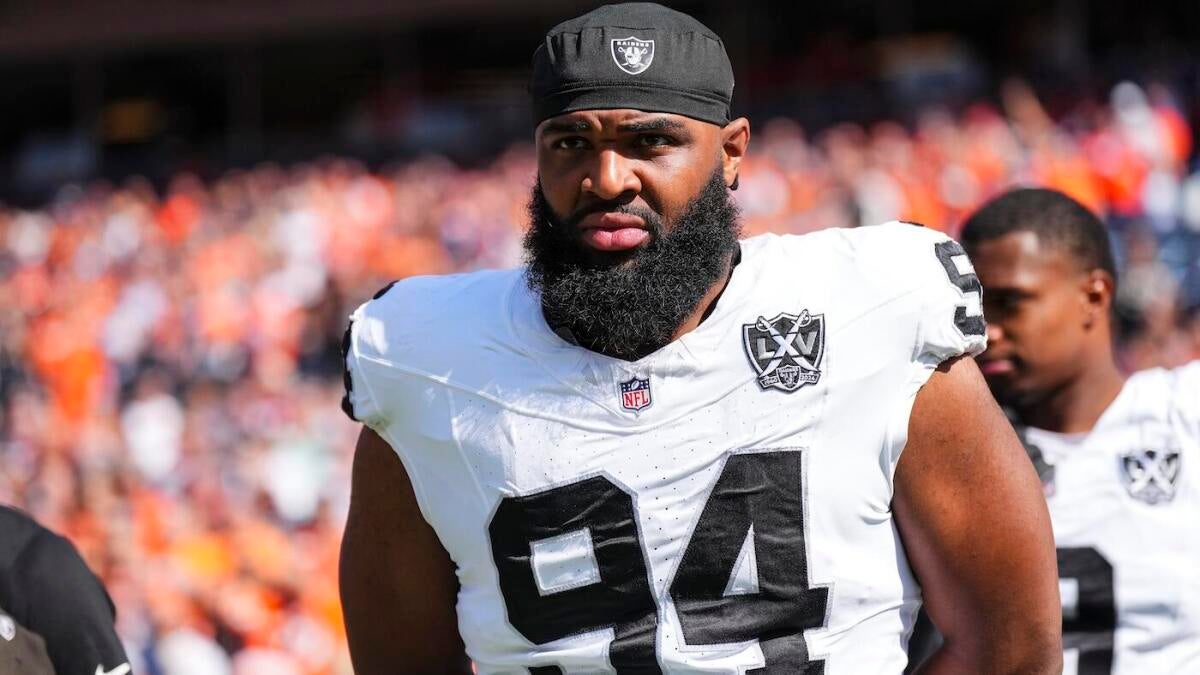
He leaned in—not with menace, not with malice, but with mischief. A gesture so casual it could have been brotherly, so fleeting it might’ve passed without mention. Christian Wilkins, defensive tackle and locker room livewire, allegedly tried to plant a kiss on the top of a teammate’s head during a moment meant to disarm, not dominate. But somewhere between helmet taps and high-fives, the mood shifted. And so, reportedly, did his status with the Raiders.
The NFL does not traffic in ambiguity. Its rituals are choreographed: the chest bumps, the finger points, the sideline screams. Masculinity here is less emotion than armor. So when a 300-pound lineman offers affection—real or performative—it disrupts the choreography. It makes people squirm. And that squirm is telling.
The kiss never landed. But the fallout did.
This League Doesn’t Do Tender
It wasn’t a scandal, not exactly. There was no headline-grabbing video, no seething press conference. Just a whisper of discomfort—reportedly enough to get Wilkins released. The timing, of course, is conspicuous. He’d just signed a $110 million deal with the Raiders. A centerpiece, not a fringe player. His departure doesn’t read like strategy. It reads like culture.
“He’s just being Wilkins,” a source close to the locker room said, brushing off the kiss with a kind of locker-room nostalgia. But in a league where discipline is fetishized and deviation punished, being “just Wilkins” might’ve been exactly the problem. The NFL demands a specific kind of masculinity—aggressive, performative, rigid. Anything that shades too close to softness becomes suspect.
Affection in Armor: The NFL’s Quietest Taboo
Maybe it was nothing. Maybe it was a joke misread, a playfulness that landed wrong. But isn’t that the point? That in a $20 billion industry obsessed with optics, there is no room for spontaneity that can’t be explained in press-friendly terms. A kiss, even a phantom one, carries weight in a culture that flinches at male intimacy. Especially unearned intimacy—no touchdown, no victory, just a moment of warmth in a sport that equates warmth with weakness.
The NFL doesn’t need a rulebook to police behavior. The unwritten rules are louder. They echo in post-game interviews, in scouting reports that value “grit” over grace, in the way teammates look away when something doesn’t fit the mold. Wilkins’ gesture wasn’t crude. It was intimate. And intimacy, in this theater of bruises, feels like breaking character.
Maybe Wilkins was just trying to be funny. Maybe he was reaching for levity in a culture that starves for it. But the fact that it made headlines at all—that is the story. In a league built on collision, it’s the quietest moments that cause the biggest ruptures.
And maybe the most dangerous move isn’t violence—but vulnerability.






Barcelona’s Fragile Pursuit: When Injuries Threaten More Than Just a Season
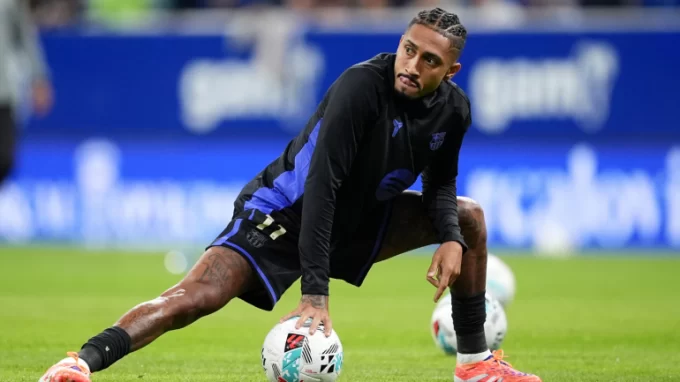
A silence spreads over Camp Nou that no roar can drown out—two...
Chris Marks2 Mins read
William Saliba: Arsenal’s Silent Architect or Its Greatest Gamble?
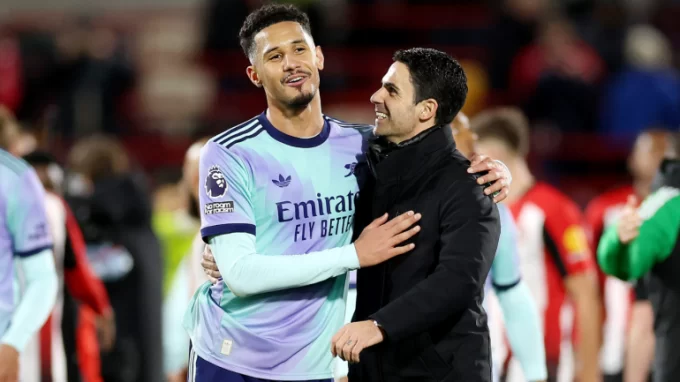
The air inside the Emirates shifts with unspoken tension—William Saliba, once a...
 Joseph Bennett2 Mins read
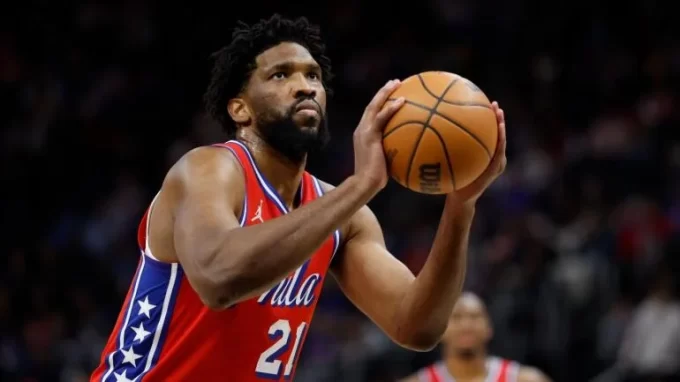
Joel Embiid’s Quiet Confidence: Is the 76ers’ Giant Ready to Rewrite His Story?
Joel Embiid is rarely one to make noise without purpose, and now,...
 Kirsten Collins1 Mins read
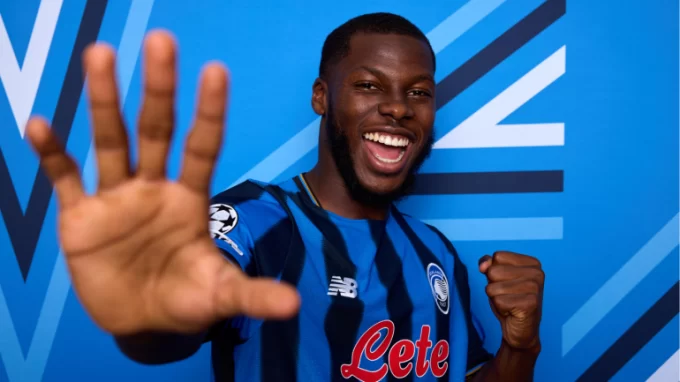
Juventus, Atalanta, and Arsenal’s Quiet Revolution: What’s Really Shaping This Week in Football?
The roar of Serie A stadiums masks a subtle shift, one that...
Kirsten Collins2 Mins read





Leave a comment