

The Five-Year Itch: Christie Brinkley’s Radical Marriage Clause Isn’t So Crazy
Christie Brinkley floated the idea of renewing marriage vows every five years like a driver’s license—provoking a quiet gasp from traditionalists. But what if she’s simply saying out loud what many already practice in silence?
 Kirsten CollinsAugust 7, 20252 Mins read15
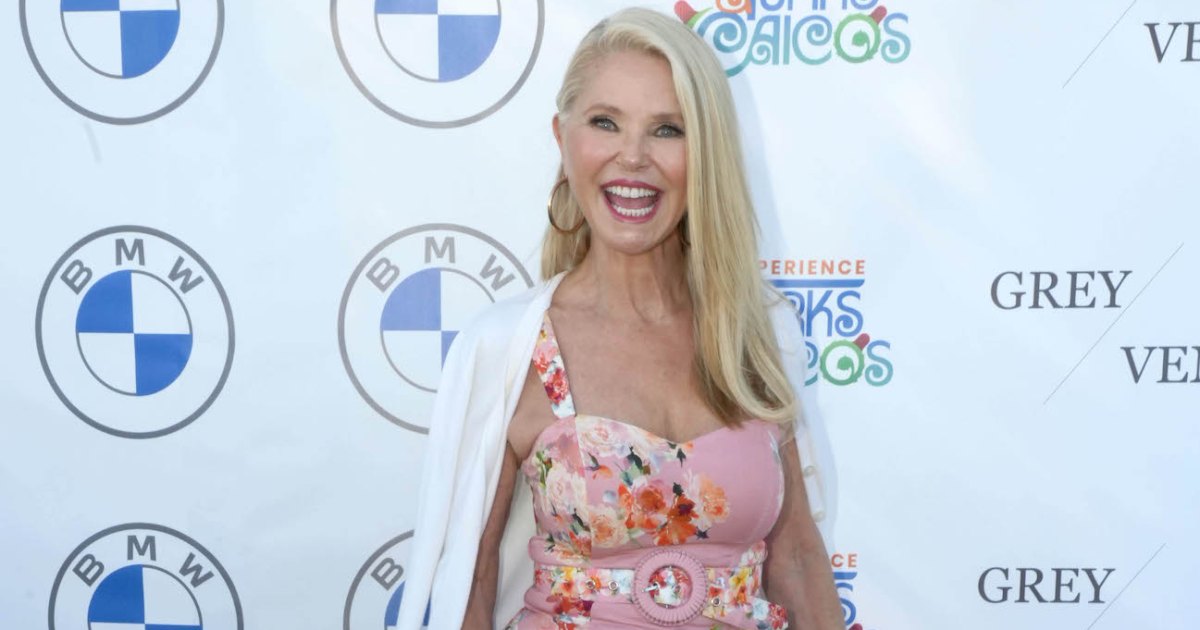
You can almost hear the collective clutch of pearls. Christie Brinkley, America’s perennial blonde symbol of matrimonial optimism, dared to suggest that marriage—yes, that sacred contract of doves and diamond rings—might benefit from a built-in renewal clause. Every five years. Like Netflix. Or a passport. Not till death. Just till next decade.
What she’s proposed isn’t a scandal—it’s a mirror. One that glints back the quiet expiration dates many couples already live by, without saying so aloud. Call it heretical, call it unromantic, but it’s also what countless people quietly do: reevaluate, renegotiate, quietly back away. Brinkley just had the audacity to phrase it like a subscription.
Most of us pretend permanence is a promise, not a performance. But what if marriage was less a static state and more an evolving contract, like a lease on emotional real estate? “I think a marriage contract should be renewed every five years,” Brinkley said, her smile casual, her meaning seismic. “That way, you’re forced to sit down and talk about where you are in life.”
When Forever Starts Feeling Like a Sentence
What she’s suggesting—beneath the tabloid gloss—isn’t divorce-friendly. It’s honesty-friendly. We talk endlessly about intentional living—so why not intentional loving? Instead of defaulting to forever, what if we had the chance, every few years, to ask: Is this still working? Are you still you? Am I still me?
This is not about weakening marriage. It’s about removing the illusion that it’s static. Love morphs. People change. The marriage of year one rarely looks like the marriage of year twenty. Yet we bind ourselves to fixed expectations, and wonder why the vows grow stale.
In a world where we can upgrade our phones and careers with ritual precision, why is the idea of upgrading—or even exiting—a relationship seen as failure, rather than evolution?
Love, But Make It Contractual
The cultural elite may scoff at Brinkley’s idea as tabloid fluff, but let’s not pretend they don’t do prenups, couples therapy, “open arrangements,” and quiet separations with exquisite discretion. Maybe the difference here is that she made it public—punched it with the bluntness of a five-year clause, and stripped away the performance.
It sounds clinical, until you realize how many marriages suffer from not having that scheduled reckoning. We hold onto failing love the way we hold onto gym memberships—out of obligation, shame, and inertia.
There’s poetry, even grace, in the idea of a checkpoint. A deliberate pause to ask: not Do you promise forever?—but Do you choose me again? Not because you said yes once, but because you still mean it now.
And maybe—just maybe—the answer is no. And that no, delivered with dignity and timing, might be the most romantic thing of all.
Brinkley may have just offered us not a loophole—but a lifeline. And if love is truly the most daring act of all, isn’t the real scandal that we ever assumed it could be signed in permanent ink?





When Mercy Meets Tragedy: The Widow Who Forgave Her Husband’s Killer
The air thickens when forgiveness enters a room meant for grief. Imagine...
 Chris Marks1 Mins read

When Fear Became a Lifeline: Pete Davidson’s Reckoning in Rehab
There’s a silence that follows a mother’s voice when she confesses her...
 Joseph Bennett1 Mins read

Pete Davidson’s mom told him in rehab worst fear was learning he died
Pete Davidson is opening up about the heartbreaking moment he had with...
Chris Marks2 Mins read

Katie Couric’s Unexpected Spin on Sydney Sweeney’s American Eagle Ad: What’s Really Being Said?
Katie Couric stepping into a scene dominated by Gen Z glamour feels...
 Krista Freeland2 Mins read




Leave a comment