

When Sacha Baron Cohen Becomes Mephisto: The Art of Transformation or Something More Sinister?
Sacha Baron Cohen’s radical physical transformation to play Marvel’s Mephisto is more than makeup and muscle—it’s a deliberate plunge into darkness that challenges what we expect from both the actor and the character. But what lies beneath this devilish facade?
 Joseph BennettJuly 23, 20251 Mins read18
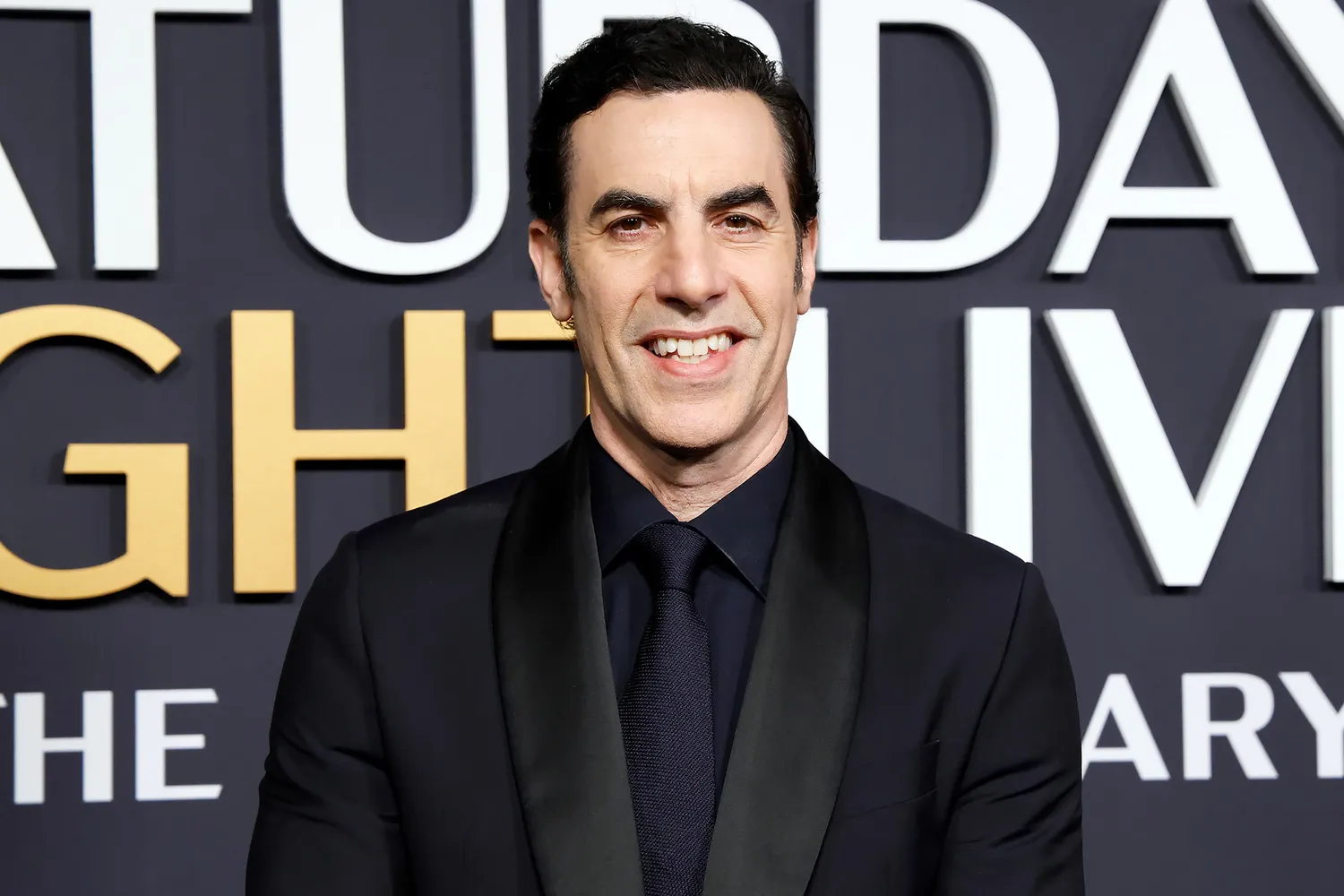
The moment Sacha Baron Cohen stepped onto the set, fully transformed into Mephisto, the air shifted—something unnerving, electric, undeniably potent. This was not the cheeky provocateur we thought we knew. This was a creature born from shadows, contorted and reshaped in ways that make you question what you think you understand about villainy in the Marvel cosmos.
The physicality alone is arresting—every sinew and detail crafted to unsettle. But transformation is never only skin deep. Cohen’s choice to embody Mephisto with such radical intensity suggests an ambition beyond spectacle, a deeper interrogation of evil itself.
Devil in the Details: Crafting a New Kind of Villain
Marvel has long flirted with darkness but rarely allowed it to breathe fully. Mephisto, the devil incarnate of the MCU, is not just a foe; he is a philosophical puzzle. Cohen’s portrayal teeters between grotesque and charismatic, forcing us to confront why we fear—and sometimes sympathize with—our demons.
“It’s about the idea that evil isn’t a costume you put on; it’s a presence that inhabits every layer of your being,” Cohen explained in a rare, candid moment. Is this a hint that Mephisto will redefine the MCU’s moral terrain? Or is it a performance meant to provoke unease without resolution?
The Celebrity Mask: When Transformation Becomes Revelation
Sacha Baron Cohen is no stranger to transformation—his career is built on slipping into skins that make us uncomfortable and compel reflection. Yet Mephisto marks a departure from satire into something darker, a meditation on power and corruption that seems eerily timely.
What does it mean when a comedian known for biting social commentary channels a Marvel devil? Does Cohen’s physical metamorphosis signal a new chapter for villains—one where complexity overshadows cliché—or is it simply a theatrical spectacle? The questions linger like smoke, twisting and intangible.
This incarnation of Mephisto isn’t merely a villain to be defeated; he’s an enigma to be unraveled. What if the true horror isn’t the devil on screen but the questions he forces us to ask about ourselves? And in that reflection, who really wears the mask?







Pianist Omar Harfouch Brings Celebrated Figures Together for a Night of Cultural Exchange – Hollywood Life
Image Credit: Omar Harfouch On February 20, 2026, pianist and cultural figure...
 Kirsten Collins2 Mins read
Who Is Ivana Lisette Ortiz? About the Rihanna Home Shooting Suspect – Hollywood Life
Image Credit: WWD via Getty Images The suspect in the March 8,...
Kirsten Collins1 Mins read
How Much Money Does She Have Now? – Hollywood Life
Image Credit: WWD via Getty Images Rihanna may be known as one...
Kirsten Collins2 Mins read
Stars Who Slammed ‘Love Story: JFK Jr. & Carolyn Bessette’: Statements – Hollywood Life
Image Credit: Getty Images FX’s Love Story: John F. Kennedy Jr. and...
Kirsten Collins2 Mins read





Leave a comment