

Why the Clippers‑Heat‑Jazz Three‑Team Trade Echoes Beyond the Box Office
A seismic three‑team deal rattles NBA hierarchies—but is it bold or bewildering? This is a shake‑up that compels us to question intent, identity, and what championship truly demands.
 Chris MarksJuly 7, 20252 Mins read14
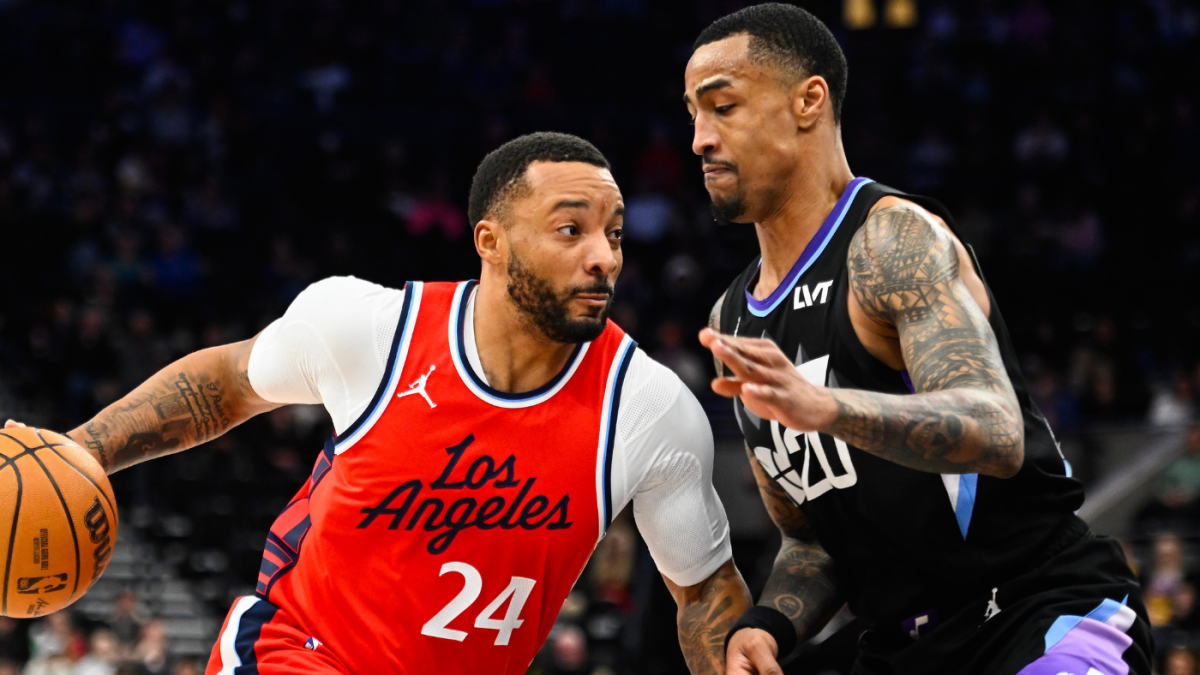
The winter warmth of Norman Powell’s career‑best campaign—that 21.8 points per game, that clutch fourth‑quarter aura—has been uprooted by a three‑team trade that smells of ambition and ambiguity. He lands in Miami. John Collins parachutes into a Clippers lineup seeking frontcourt punch. Kevin Love, Kyle Anderson and a future pick whisper potential in Utah. Every piece rattles purpose; every number begs “why now?”
Powell was the fourth‑quarter trigger for L.A., accounting for nearly 27 percent of their late‑game output and shooting north of 67 percent true‑shooting in closets moments. His absence isn’t just tactical—it’s existential. Yet the Clippers demurred. Their rationale? Cap clarity and closer matchup synergy alongside Leonard, Harden, Lopez—and Collins’s motoring 19.0 ppg, 8.2 rpg, with 39.9 percent from deep.
Frontcourt Ascension or Backcourt Desertion?
What L.A. gains in Collins’s rim‑running versatility—the ability to lob, stretch, and rotate—it potentially sacrifices in Powell’s late‑game magic and perimeter spacing. One insider mused: “Why swap a consistent scoring ion for a frontcourt gadget with injury whispers?” .
Heat’s Calculated Gamble
For Miami, it’s a calculated bet: an expiring contract filled with firepower. Powell, for all his approaching free‑agent status, buys them breathing room and flash—21.8 ppg, 1.2 steals, an aura. They surrendered love and Anderson—bench staples, not cornerstone players—for a shot‑creator to squad behind Herro and Adebayo. Is this the spark that reignites Miami’s embers?
Utah, meanwhile, looks past players at ledger lines: two vets on expiring deals, a $26.6 million trade exception, and a future draft pick. It’s rebuild by calculation, or risk of stagnation.
Public Suspicions, Private Stakes
The fan reaction, especially on Utah’s subreddits, borders on exasperation—arranging emojis and hashtags: “uhhh… what?. Clippers fans tweet disbelief at parting with Powell, while pundits sniff at Utah’s paper gains.
Collateral Vision or Collateral Damage?
This trade lands with the precision of a chess move—but perhaps the dissonance of a grandmaster’s gamble. The Clippers may be positioning for flexibility, but will they pay in grit? Miami’s adding splash—but can it course through postseason run? Utah may gain assets—but at what cost to present identity?
At pivot points like this, the game crouches waiting. The Clippers replace closing power with frontcourt flow. The Heat parts with veterans for a shout. The Jazz bet futures over now. As the new rosters roll onto courts this fall, only performance will write the true story.
What feels like a win‑win might just be a waiting room of questions. If championships are measured by removal of doubt, have these franchises answered or only asked louder ones?




Barcelona’s Fragile Pursuit: When Injuries Threaten More Than Just a Season
A silence spreads over Camp Nou that no roar can drown out—two...
Chris Marks2 Mins read
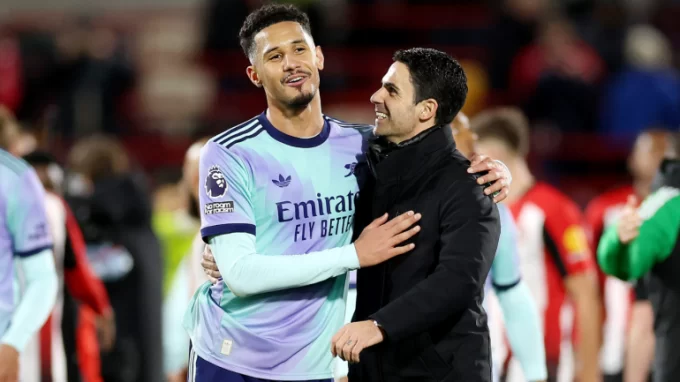
William Saliba: Arsenal’s Silent Architect or Its Greatest Gamble?
The air inside the Emirates shifts with unspoken tension—William Saliba, once a...
 Joseph Bennett2 Mins read
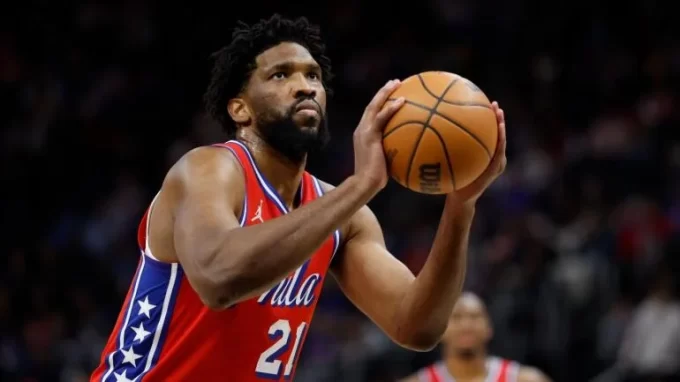
Joel Embiid’s Quiet Confidence: Is the 76ers’ Giant Ready to Rewrite His Story?
Joel Embiid is rarely one to make noise without purpose, and now,...
 Kirsten Collins1 Mins read
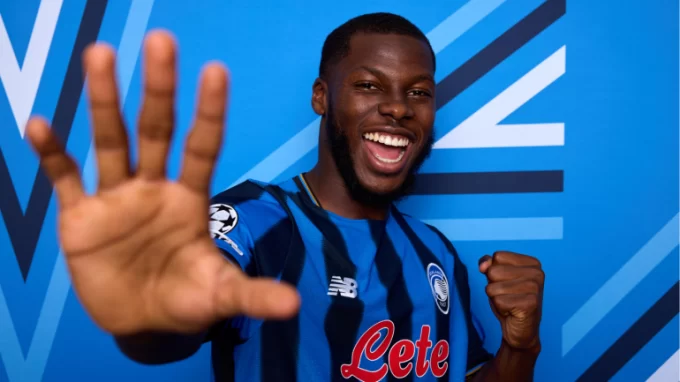
Juventus, Atalanta, and Arsenal’s Quiet Revolution: What’s Really Shaping This Week in Football?
The roar of Serie A stadiums masks a subtle shift, one that...
Kirsten Collins2 Mins read




Leave a comment