

Emma Raducanu: The Ticking Time Bomb of Tennis
Emma Raducanu’s comeback at the Italian Open is the moment of reckoning we’ve all been waiting for—but is it too late? The question isn’t just whether she’ll win, it’s whether she can finally find herself again in a sport that’s known only for consuming its brightest stars.
 Joseph BennettMay 6, 20252 Mins read29

Main Content:
The whispers are growing louder—has Emma Raducanu finally reached the point where all the potential in the world turns into something darker?
What happens when the sports world’s brightest, most tantalizing promise begins to unravel at the edges? We’re all watching, waiting for some spark to ignite, but with every missed opportunity, the danger becomes more palpable. The Italian Open is her latest proving ground—a place where dreams either explode in technicolor or fade away like an afterthought. Yet this time, something is different. There’s a weight that didn’t exist in her meteoric rise: the crushing expectation, the invisible but ever-present question of her ability to bounce back.
It’s not just a match she’s playing in Rome—it’s her entire narrative.
The Curse of the Wild Card
It’s a curious thing, the story of Emma Raducanu. The teenager who swept through the 2021 US Open like a comet, leaving everyone breathless and breathlessly watching for more. It wasn’t just the victory—it was the way it happened. One moment, she was an unknown, the next, she was tennis royalty. The thing with meteoric rises, however, is that they tend to have a crash landing. Now, with every injury, every uncertain step, Raducanu finds herself confronting the kind of scrutiny that might break a lesser athlete. If she falters again, we might start wondering if she’s a fluke—her rapid ascent, a mere glitch in the system.
But it’s more than that. Raducanu is caught in the trap of what could’ve been and what might still be. When you win big, you don’t just get the title—you inherit the expectation. And those expectations? They can devour you whole.
When Talent Isn’t Enough
One of the most confounding elements of Raducanu’s journey is this: Her talent has never been in question. The same skills that carried her to the top of the tennis world are still there, lurking beneath the surface, waiting to resurface in a moment of brilliance. But in tennis, brilliance alone isn’t enough. One must battle both the opponent and the growing pressure of living up to a past that everyone—including yourself—can’t seem to let go of. In the aftermath of her US Open win, Raducanu’s relationship with her sport morphed into something darker, something that was no longer about the love of the game. It became about proving that she was more than a flash in the pan.
The question now isn’t whether she can win again—it’s whether she can find herself on the court again, before it’s too late.
Will the Italian Open Be Her Redemption?
As the Italian Open looms large, the narrative is thick with suspense. It’s a chance for Raducanu to remind the world of her skill, her drive, her ability to carve through the noise. But there’s an unsettling silence in the air too. What if she doesn’t? What if the expectations drown her once and for all? Perhaps there’s another way to win—one that doesn’t involve a trophy but a quiet redefinition of success. If Raducanu can’t learn to silence the noise, to see past the ghosts of what others expect from her, the sport may take its toll—and sooner than anyone dares to imagine.
What if the very thing that has held her back all this time—the pressure, the labels, the comparisons—was not a consequence of her rise, but a consequence of our inability to leave her alone? If the Italian Open is another moment of struggle, what will it mean for the future of a player who can no longer escape the game’s deepest expectations?
Some might say it’s just one tournament. But after everything, can Raducanu afford to lose any more? Or is this the final match she can afford to play?






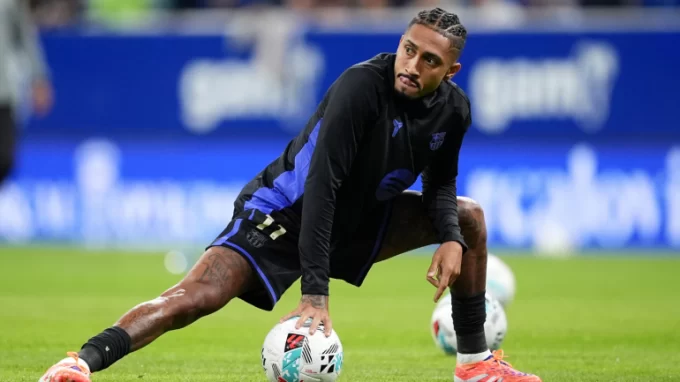
Barcelona’s Fragile Pursuit: When Injuries Threaten More Than Just a Season
A silence spreads over Camp Nou that no roar can drown out—two...
 Chris Marks2 Mins read
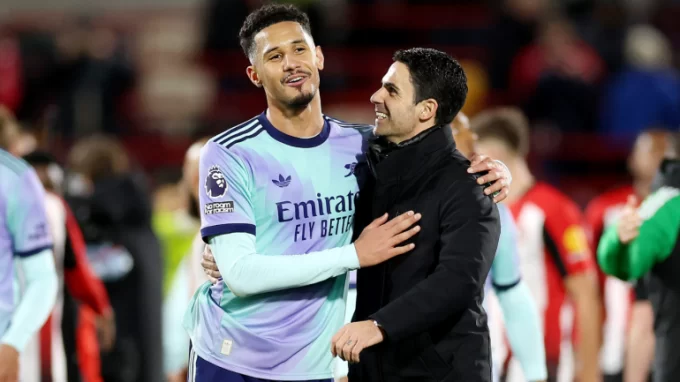
William Saliba: Arsenal’s Silent Architect or Its Greatest Gamble?
The air inside the Emirates shifts with unspoken tension—William Saliba, once a...
Joseph Bennett2 Mins read
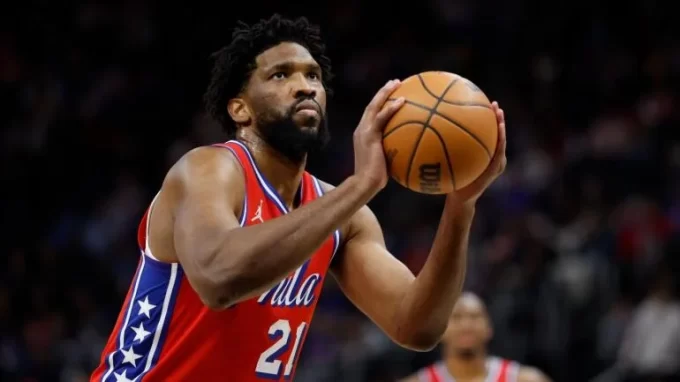
Joel Embiid’s Quiet Confidence: Is the 76ers’ Giant Ready to Rewrite His Story?
Joel Embiid is rarely one to make noise without purpose, and now,...
 Kirsten Collins1 Mins read
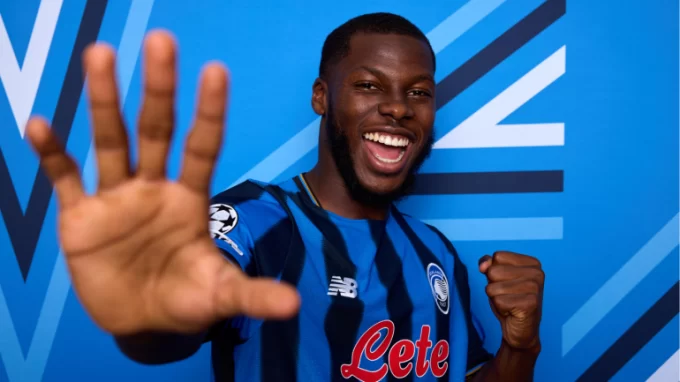
Juventus, Atalanta, and Arsenal’s Quiet Revolution: What’s Really Shaping This Week in Football?
The roar of Serie A stadiums masks a subtle shift, one that...
Kirsten Collins2 Mins read





Leave a comment