

When Holdout Becomes Headache
Terry McLaurin’s contract impasse has transformed from private negotiation into public friction—and suddenly, a siege shapes Washington’s offense.
 Chris MarksAugust 15, 20251 Mins read31
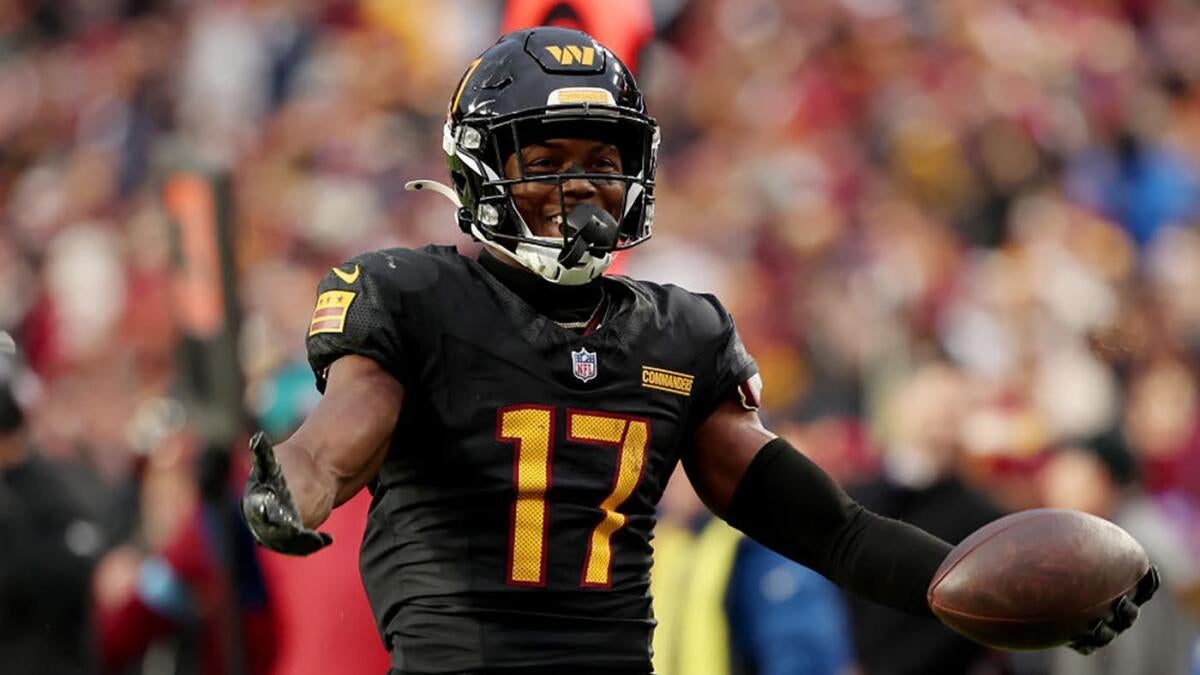
He watches from the sideline, sharply dressed in his helmet and shoulder pads, but untouchable on the grass—his absence as loud as any presence could be.
Terry McLaurin, Washington’s most reliable weapon in 2024—a two-time Pro Bowler and the engine behind Jayden Daniels’ breakout—remains off the field amid a contract dispute. He’s moved to the physically unable to perform list, yet attends meetings in silence. Offensive coordinator Kliff Kingsbury didn’t mask tension: “We’re kind of at that point where we need to start getting those guys … out there and gel.” His words echoed in a practice field growing colder as preseason nears.
A Team Missing Its Chorus
The offense, marshalled by Kingsbury, is built around cohesion—routes finely timed, chemistry sculpted by repetition. Now, with McLaurin absent, that rhythm unravels. In scrimmages, the offense stuttered; the defense dominated; and the wide receiver room beyond just Deebo Samuel remains unsteady. Daniels, the rising star quarterback, keeps adding layers of composure—but without McLaurin on the grass, his game feels incomplete.
This is more than a delay—it’s a fracture. And as Kingsbury said, with urgency clipped in his tone, the window to rebuild is slipping.
Negotiation or Standoff?
McLaurin insists he’s not fracturing the team—he wants clarity, fair compensation, and respect for value. “I don’t want to feel like you have to beg for someone to see your worth,” he declared. Even so, weeks have passed with no offer or substantive conversation, prompting worry from the organization. GM Adam Peters insists he wants McLaurin back, yet negotiations remain silent.
The irony lingers: a player who’s never missed a game shoots for a raise that reflects his worth—just as he’s being sidelined.
The drama has an expiry date—regular season looms in a matter of weeks, and unresolved tension could write a brutal preface to Washington’s campaign. Will the holding pattern break? Will McLaurin’s return heal the offense—or crack it further?
Because sometimes, the silent spaces matter most—what we don’t see may shape everything we do.




Barcelona’s Fragile Pursuit: When Injuries Threaten More Than Just a Season
A silence spreads over Camp Nou that no roar can drown out—two...
Chris Marks2 Mins read
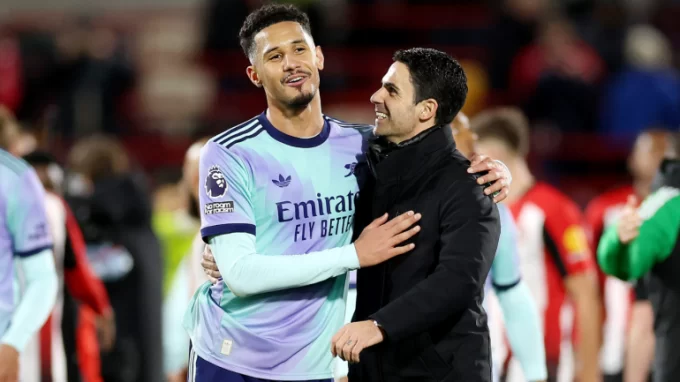
William Saliba: Arsenal’s Silent Architect or Its Greatest Gamble?
The air inside the Emirates shifts with unspoken tension—William Saliba, once a...
 Joseph Bennett2 Mins read
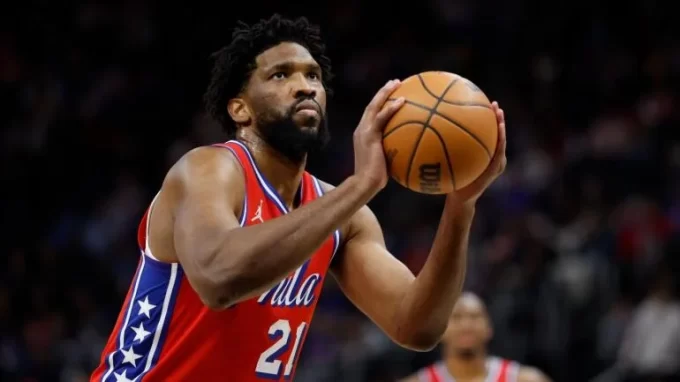
Joel Embiid’s Quiet Confidence: Is the 76ers’ Giant Ready to Rewrite His Story?
Joel Embiid is rarely one to make noise without purpose, and now,...
 Kirsten Collins1 Mins read
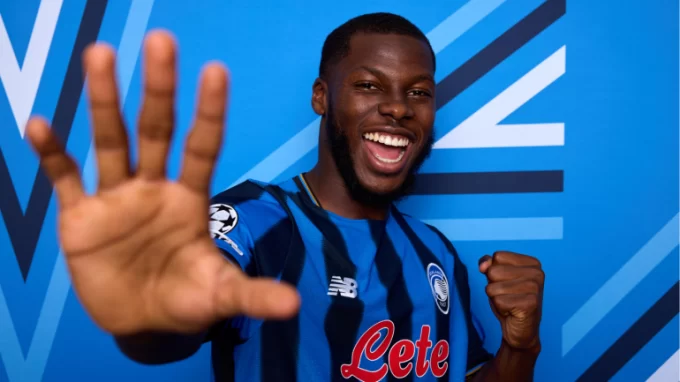
Juventus, Atalanta, and Arsenal’s Quiet Revolution: What’s Really Shaping This Week in Football?
The roar of Serie A stadiums masks a subtle shift, one that...
Kirsten Collins2 Mins read





Leave a comment