

The Second Season Myth of Jayden Daniels
He’s no longer wide-eyed—but is Jayden Daniels ready to be Washington’s answer, or just another promising chapter in a league addicted to forgetting? The real game might not be played on the field.
 Chris MarksJuly 31, 20252 Mins read23
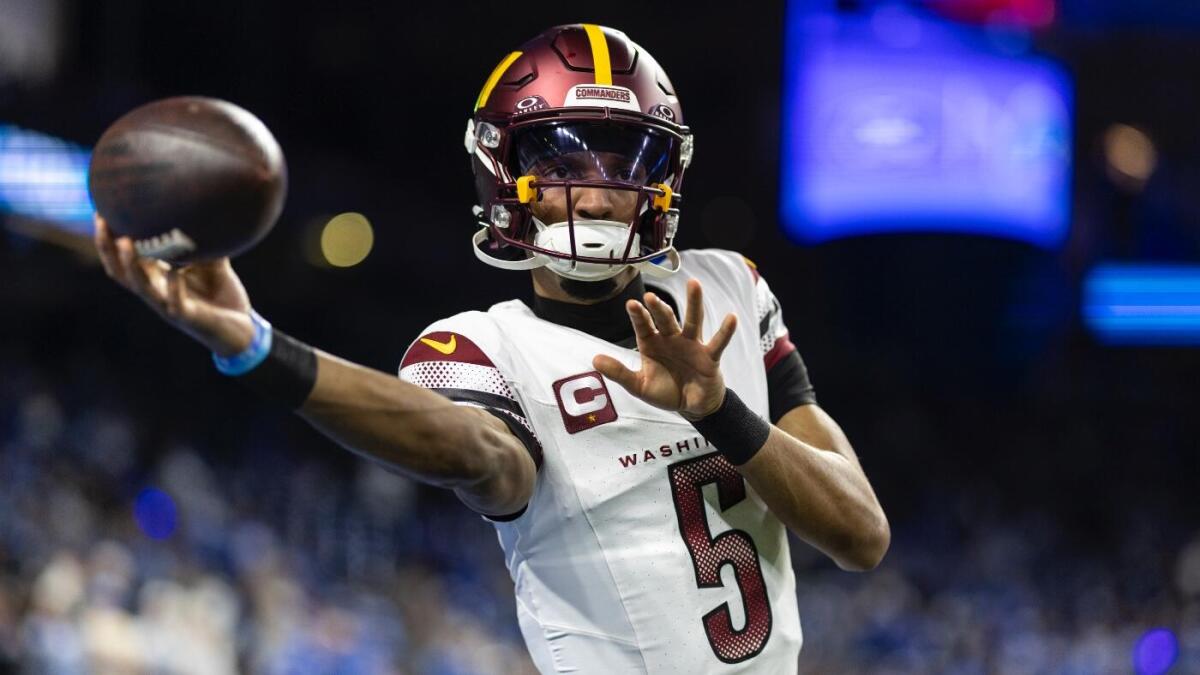
He walks slower now, not because he’s tired, but because he’s thinking—measuring space like a man who’s learned that every step is being watched. Jayden Daniels has the look of someone who has survived a season, not just played one. There’s a pause in his eyes, a delay in his smile. He knows things now. The NFL doesn’t make stars—it studies them, breaks them down, and decides whether to keep watching.
Daniels, the Washington Commanders’ quarterback, stood in front of reporters this July with the kind of voice that made you lean in. Less hype, more control. He spoke about the “night and day” difference entering year two, the kind of phrase that usually lives and dies on media day. But from Daniels, it felt less like PR and more like post-trauma clarity. “I’m just more comfortable,” he said, his tone neutral, as if comfort were a currency you earned—not just inherited.
Every Yard Comes With a Mirror
There’s something uncomfortable about the way the NFL handles its young quarterbacks. On the surface, it celebrates them—places them in Nike ads, slaps them on fantasy boards, writes scripts around their backstories. But underneath, it watches with a trembling finger on the delete key. Year two is not a reward. It’s a test.
Daniels is soft-spoken but observant, a quarterback who leads less with charisma and more with intent. The league demands charm and teeth, and while Daniels has both, you get the feeling he’s still figuring out when to show them. He’s trimmed down the noise, kept his circle small. Coaches have whispered about his improved command, his faster reads. But it’s what you can’t measure that might determine his season: how he carries failure, how he stays quiet when others yell, how he chooses which mask to wear.
Becoming the Guy—or Disappearing Trying
There’s a legend in football that the second year makes the man. But maybe it doesn’t. Maybe it only makes the façade more believable. The arm strength was always there. So was the speed. But identity—the unteachable—comes slower. Daniels is now walking through a league that expects him to be a savior, even as it barely remembers last season’s chosen ones.
His city, bruised by politics and playoff droughts, wants someone to believe in. Daniels doesn’t promise belief—he offers motion. A calm kind of electricity. You watch him, and you wonder: is he building something real, or just surviving long enough to hand off the dream to someone else?
They say quarterbacks age in dog years. If that’s true, Daniels is no longer a rookie. He’s something else—quieter, leaner, possibly lonelier. And as he takes the field again this fall, one question hums louder than the crowd: what exactly is he becoming, and how long will the NFL let him stay that way?





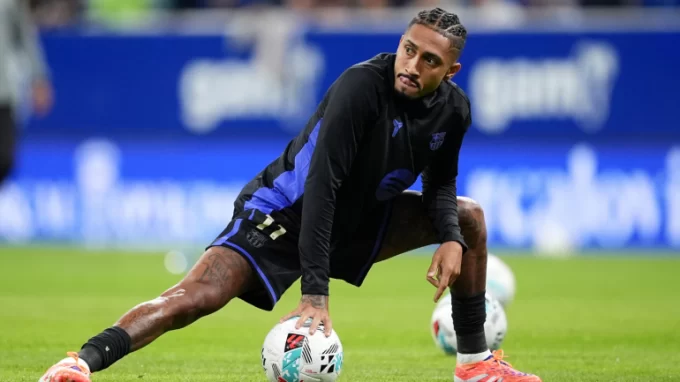
Barcelona’s Fragile Pursuit: When Injuries Threaten More Than Just a Season
A silence spreads over Camp Nou that no roar can drown out—two...
Chris Marks2 Mins read
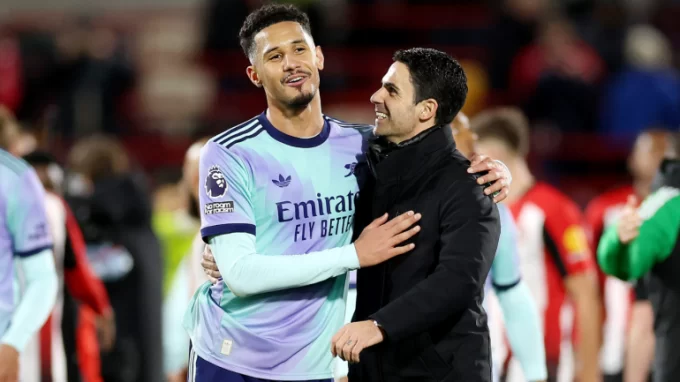
William Saliba: Arsenal’s Silent Architect or Its Greatest Gamble?
The air inside the Emirates shifts with unspoken tension—William Saliba, once a...
 Joseph Bennett2 Mins read
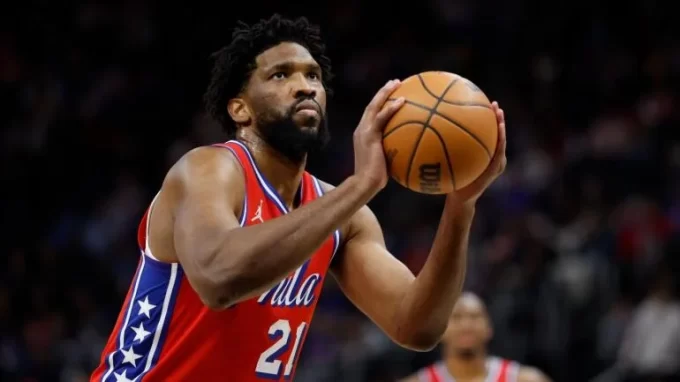
Joel Embiid’s Quiet Confidence: Is the 76ers’ Giant Ready to Rewrite His Story?
Joel Embiid is rarely one to make noise without purpose, and now,...
 Kirsten Collins1 Mins read
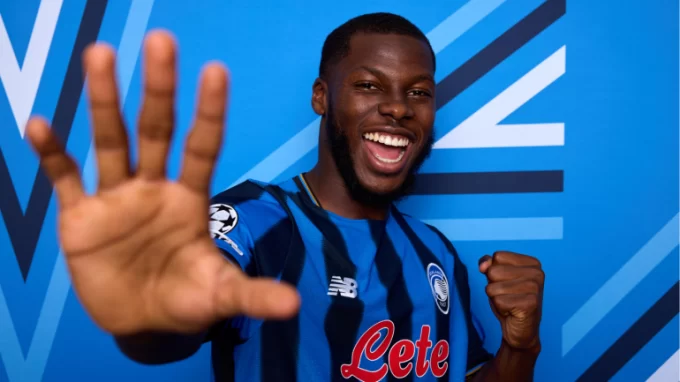
Juventus, Atalanta, and Arsenal’s Quiet Revolution: What’s Really Shaping This Week in Football?
The roar of Serie A stadiums masks a subtle shift, one that...
Kirsten Collins2 Mins read





Leave a comment