

The Resurrection of RFK: Who Owns a City’s Ghosts?
A historic stadium in D.C. is closer to resurrection—but is it revival, or erasure in disguise? When billion-dollar dreams meet sacred ruins, someone’s always rewriting the past.
 Joseph BennettAugust 1, 20252 Mins read11
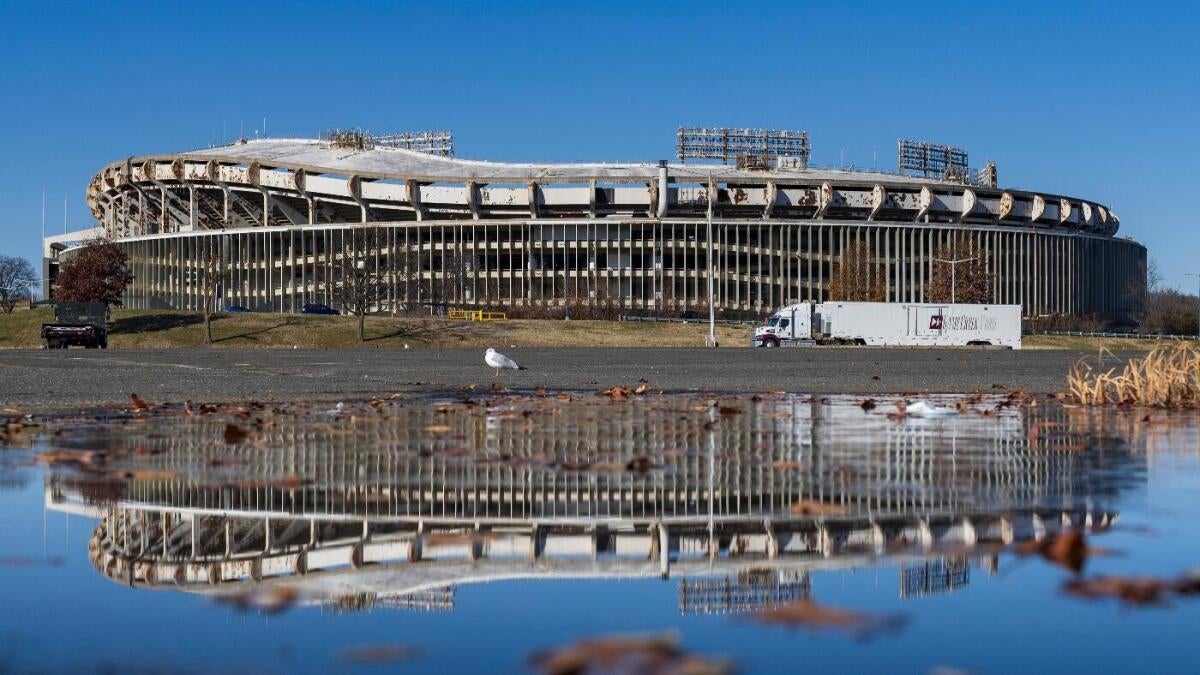
It begins with silence. The kind of silence only a fallen coliseum can hold. RFK Stadium—once thunderous with footsteps, vendors, and full-throated fandom—now crumbles behind a veil of chain-link fences and nostalgia. Concrete cracks like dried skin, and the ghosts that once danced in burgundy and gold hover just above the rust. But now, the silence has been interrupted—by votes, by money, by memory.
The Washington D.C. Council has pushed forward a plan that would bring the Washington Commanders back to RFK’s sacred soil, a move framed as economic development but one that feels eerily like architectural necromancy. It’s being billed as a “major step forward.” But toward what? A revival? A rebranding? Or something more unnerving—the glossy replacement of communal memory with corporate ambition?
Where the Past Gets Repackaged
On paper, it’s a stadium plan. In spirit, it’s an exorcism. RFK has always been more than brick and bleachers; it’s where cities once came together, and later, where they fell apart. The Commanders’ potential return isn’t just about football—it’s about control of narrative. After years of scandal, rebranding, and ownership drama, this move toward D.C. is being spun as a symbolic homecoming. But symbols can be weapons. And who decides what is being honored—or erased?
“Look around,” one local activist said as she passed by the site, “They call it progress, but none of us are coming with it.” That unease isn’t just about displacement or rent hikes (though those are coming too). It’s about the alchemy of space—how public ground morphs into private luxury under the soft lighting of redevelopment language. Who gets to feel at home in the ‘new RFK’? And who’s being told, once again, to keep moving?
The Politics of Memory Are Always Expensive
There’s an inherent danger in polishing over ruin without understanding its resonance. RFK has hosted presidents and punk shows, championship games and civil rights rallies. Its bones carry decades of contradiction: celebration and segregation, triumph and decline. Tearing it down to build anew may offer sleek economic spreadsheets, but what’s the real cost when a city’s texture is smoothed out for brand appeal?
We’ve seen this play before. Stadiums rise like monuments to civic unity and fall like altars to debt. They promise jobs, pride, attention—but rarely deliver them evenly. In Washington, where neighborhoods shift faster than traffic lights and public land is eyed like venture capital, the RFK proposal reveals a deeper truth: history is malleable, but it’s rarely molded by the people who lived it.
So yes, the plan has passed a major vote. But let’s not confuse legislation with legitimacy. The ground may be cleared, but it’s not clean. Memory clings, inconvenient and unfinished.
And somewhere beneath the dust and fractured bleachers, the silence waits again—louder now.





Barcelona’s Fragile Pursuit: When Injuries Threaten More Than Just a Season
A silence spreads over Camp Nou that no roar can drown out—two...
 Chris Marks2 Mins read
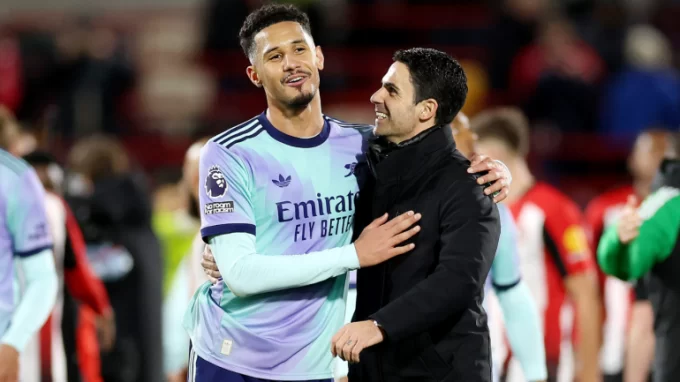
William Saliba: Arsenal’s Silent Architect or Its Greatest Gamble?
The air inside the Emirates shifts with unspoken tension—William Saliba, once a...
Joseph Bennett2 Mins read
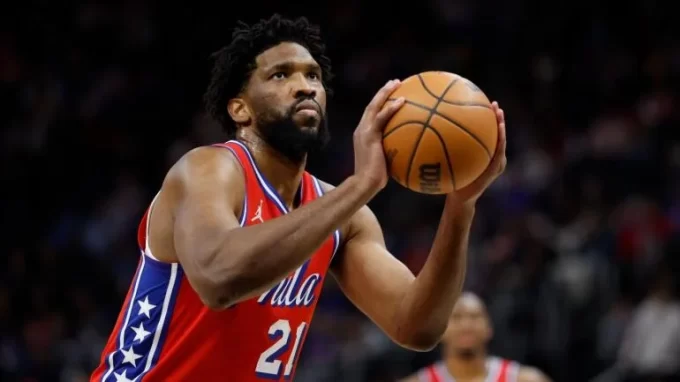
Joel Embiid’s Quiet Confidence: Is the 76ers’ Giant Ready to Rewrite His Story?
Joel Embiid is rarely one to make noise without purpose, and now,...
 Kirsten Collins1 Mins read
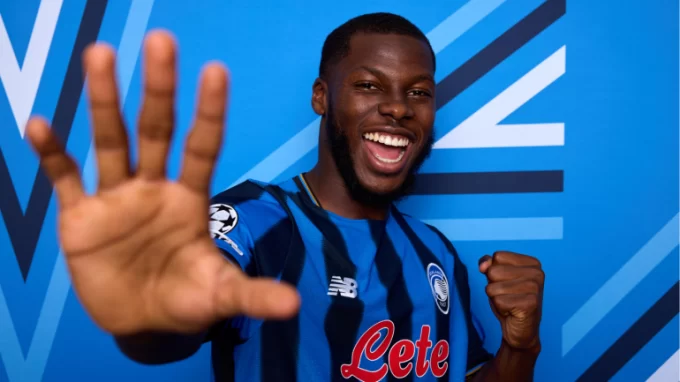
Juventus, Atalanta, and Arsenal’s Quiet Revolution: What’s Really Shaping This Week in Football?
The roar of Serie A stadiums masks a subtle shift, one that...
Kirsten Collins2 Mins read




Leave a comment