

The Quiet Hustle: How Darren Francis Flipped the Script on Property Wealth
He didn’t inherit a fortune. He built one—on instinct, failure, and brutal clarity. Darren Francis isn’t selling dreams; he’s decoding survival.
 Chris MarksApril 14, 20252 Mins read28

He wasn’t born into the conversation. He elbowed his way in.
When Darren Francis started studying the codes of property and power, it wasn’t through a family trust or a glossy seminar in Sandton. It was through silence. Observation. Watching who got richer while others stayed parked in the same rented flat, paying more in emotional interest than in rent. What makes his story burn hotter than most is that it never begged to be told—it demanded to be earned.
In a world that drools over passive income fantasies, Francis is disruptive in the most unsettling way: he tells the truth. Wealth, in his experience, didn’t begin with leverage. It began with pain. Mistakes. Not knowing where the next move would land, only that stillness was not an option.
Blueprints Made of Bruises
The property world loves its buzzwords—equity, appreciation, generational wealth—but for Francis, the language of ownership was always more visceral. It felt like resistance. Like claiming space in a country where land has always meant more than land. His early moves weren’t made with spreadsheets—they were made with grit. Buying, losing, recalibrating. “No one teaches you how to own your life,” he once said. “You have to decide you’re tired of renting it.”
And perhaps that’s why his journey feels more like a manifesto than a model. Every acquisition is a chapter, every deal a scar. Francis didn’t just build a portfolio—he broke a pattern. And that’s what makes his presence quietly revolutionary in an industry still too often shaped by old money and quiet gatekeepers.
Luxury Is Ownership of Time
What Darren Francis unlocks isn’t just property—it’s permission. The idea that wealth is not reserved for the already-wealthy. That intelligence isn’t only measured in degrees but in direction. He doesn’t teach “get rich quick.” He teaches “get free carefully.”
There’s an elegance in his ascent, but also a rebellion. Because while others sell opulence, he sells awareness. His Instagram may showcase the sleek finishes of his projects, but beneath it all is an architect of self-belief—designed not for applause, but for access.
And yet, what he represents raises the most uncomfortable question of all: if wealth is a system, then who built the locks? And why did so many of us grow up thinking the key wasn’t meant for us?
Darren Francis didn’t knock on the door of success. He bought the land under it.







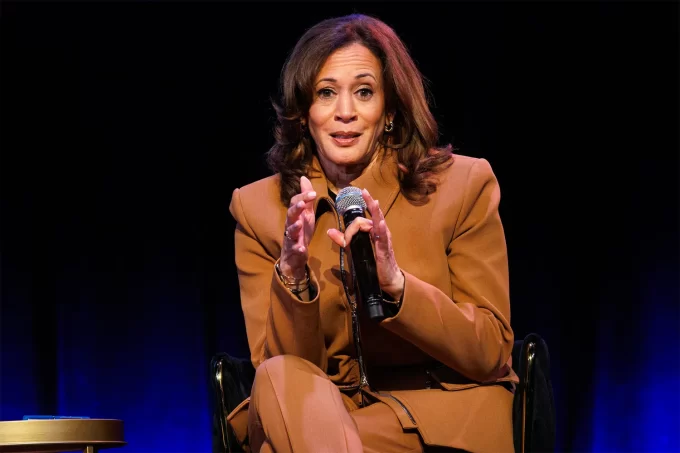
When “107 Days” Meets Outcry: Harris’s Book Tour Interrupted
The microphone crackled to life, and before Harris could finish her opening...
Chris Marks1 Mins read
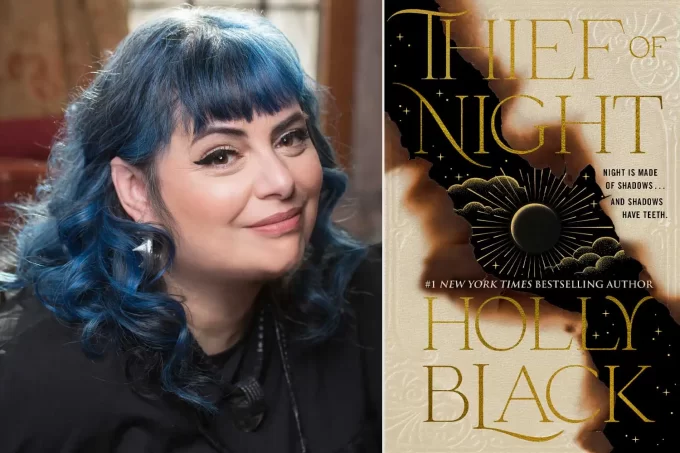
Whispers in the Shadows: Why Holly Black’s Sequel Is a Dark Invitation We Can’t Ignore
The night isn’t just dark—it’s ravenous, greedy, and it’s coming for you....
Chris Marks2 Mins read

Why Stephenie Meyer’s Regret About Edward Changes Everything You Thought You Knew
The moment Stephenie Meyer admitted she wouldn’t pick Edward Cullen today, a...
Chris Marks2 Mins read

When Fear, Fury & Feathers Collide: Cinema, Superheroes, and a Confessional Album
Open with tension—the kind that threads through a scream, a reveal, and...
Chris Marks2 Mins read





Leave a comment