

From Starlet to Specter: Leonardo DiCaprio’s Vanishing Act in ‘Poison Ivy’
Before he was an Oscar winner, Leonardo DiCaprio was a 13-year-old actor whose first film role was reduced to a single word—and then erased entirely. In the 1992 erotic thriller Poison Ivy, DiCaprio's brief appearance was cut after a botched line, leaving only a fleeting glimpse in the final cut.
 Kirsten CollinsJune 9, 20252 Mins read17
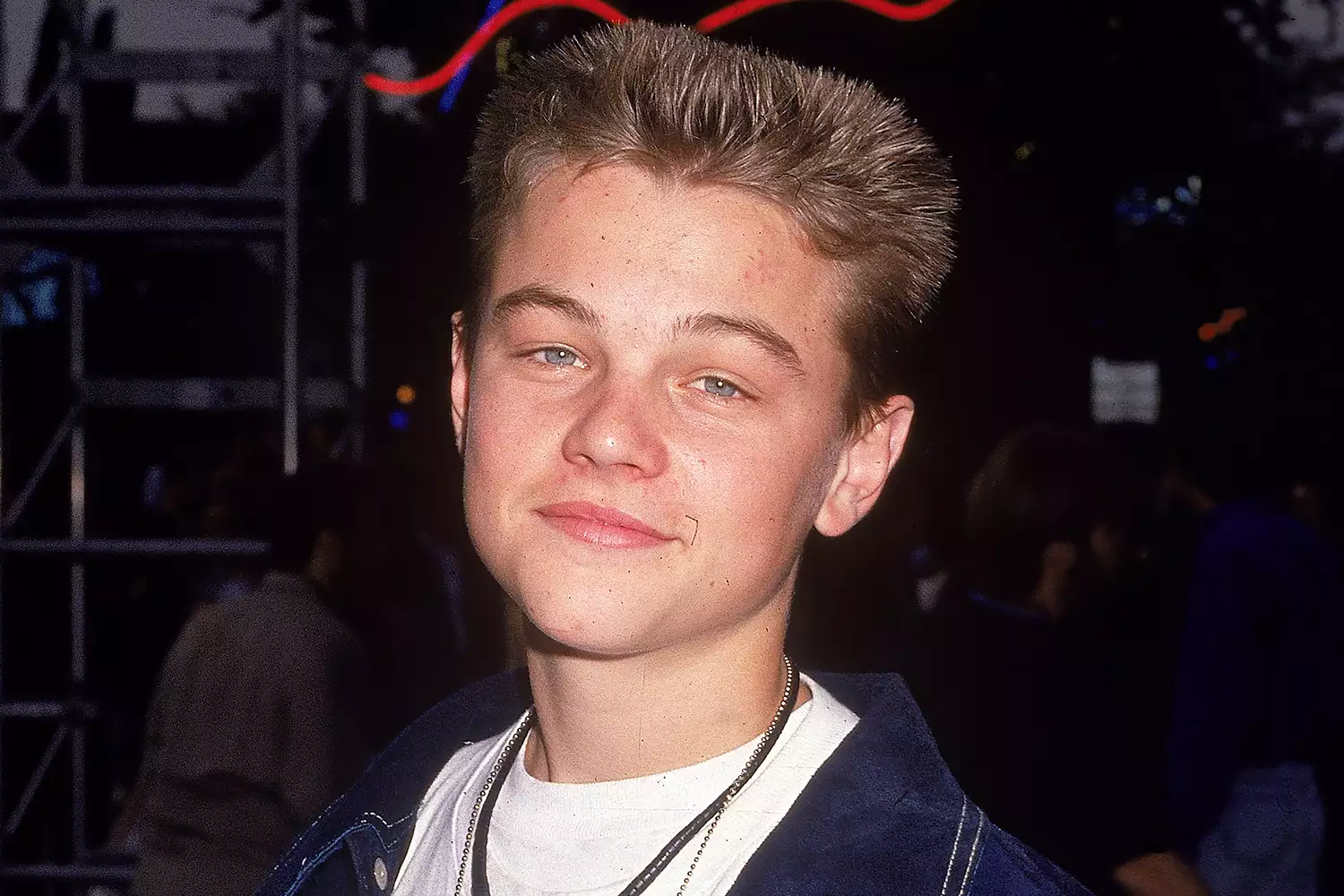
The camera rolled, the lights blazed, and a young Leonardo DiCaprio stood at the precipice of his cinematic destiny—only to falter.
In the early ’90s, a 13-year-old DiCaprio stepped onto the set of Poison Ivy, an erotic thriller starring Drew Barrymore. Assigned a monologue opposite Sara Gilbert, DiCaprio’s nerves got the best of him. His performance was shaky, his lines stumbled. The director’s solution? A single word: “Problems.” But even that was deemed surplus, and it was cut from the film entirely. Today, his name remains on IMDb as “Guy,” a testament to a role that never truly existed.
The Vanishing Act
In a candid interview on Marc Maron’s WTF podcast, DiCaprio recounted the experience with a mix of humor and humility. “I messed up my lines,” he confessed, reflecting on his first foray into film. The initial excitement of landing a role opposite established stars like Barrymore and Gilbert quickly turned to embarrassment as his performance faltered. What was meant to be a stepping stone in his career became a footnote in cinematic history.
From Extra to Icon
Despite the setback, DiCaprio’s career trajectory was anything but derailed. Within a year, he secured roles in This Boy’s Life and What’s Eating Gilbert Grape, the latter earning him an Academy Award nomination. His early experiences, including the Poison Ivy debacle, perhaps served as the crucible in which his resilience and talent were forged.
A Cult Classic’s Legacy
Poison Ivy, though a modest hit in its time, has since become a cult classic. Its provocative narrative and bold performances have garnered a dedicated following. Yet, the film’s history might have been different had DiCaprio’s original role been preserved. Would his early appearance have added a layer of intrigue to the film’s allure? Would it have altered the trajectory of his career?
The Unseen Footnote
In the grand tapestry of Hollywood, many stories go untold. DiCaprio’s brief, unseen role in Poison Ivy is one such tale—a reminder that even the brightest stars have humble beginnings. Perhaps, in some alternate version of reality, his performance remains in the film, a testament to the actor he was destined to become. But in this reality, we are left with a whisper of what might have been.
As we watch DiCaprio’s illustrious career unfold, it’s intriguing to consider the paths not taken, the roles not played. What if that monologue had been delivered flawlessly? Would it have propelled him into stardom even sooner? Or perhaps, as with many things in Hollywood, the mystery of the “what if” is what makes the story truly compelling.
In the end, it’s not the roles that define an actor, but the resilience to rise after each fall. And in that, DiCaprio’s journey is a masterclass.






Where Is Lawrence Jones on ‘Fox & Friends’? Health Update Amid Hiatus – Hollywood Life
Image Credit: Getty Images Fans of Lawrence Jones, a Fox & Friends...
Kirsten Collins1 Mins read

Who Is Lexi Minetree? 5 Things to Know About the ‘Elle’ Series Actress – Hollywood Life
View gallery Image Credit: Getty Images for Hello Sunshine Lexi Minetree plays...
Kirsten Collins2 Mins read

Release Date, Cast & Updates on ‘Elle’ – Hollywood Life
View gallery Image Credit: Courtesy of Prime Video What, like producing a...
Kirsten Collins2 Mins read
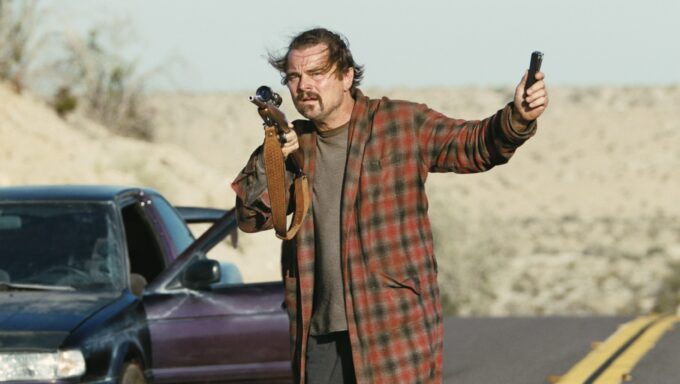
Updates on Academy Award Nominations – Hollywood Life
Image Credit: Warner Bros. Pictures Awards season kicked off earlier this month,...
Kirsten Collins2 Mins read




Leave a comment