

Damian Lillard’s Quiet Rebellion: Defying the Narrative of the “Unlucky” Bucks Chapter
In a world quick to judge, Damian Lillard pushes back against the harsh whispers of his Milwaukee stint, revealing a story tangled in misfortune, resilience, and misunderstood legacy.
 Kirsten CollinsJuly 25, 20252 Mins read22
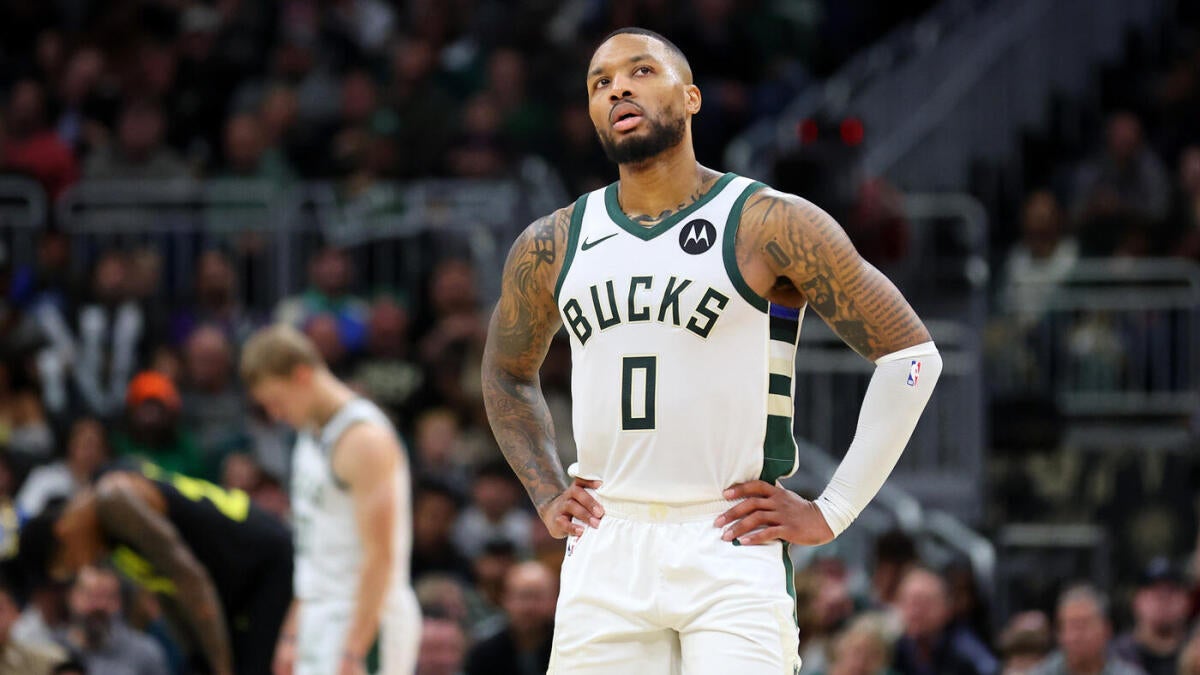
The spotlight often distorts more than it illuminates. Damian Lillard’s tenure with the Milwaukee Bucks—a brief, bruised chapter—has been branded unlucky, misunderstood, and, to some, simply a failure. But beneath the headlines and hashtags lies a quiet rebellion, a refusal to let a narrative write itself without his voice. “People see the results and forget the story behind them,” Lillard says, his tone steady but layered with unspoken complexities.
What if the truth about Lillard’s Bucks stint isn’t just about missed shots or lost games? What if it’s about timing, circumstance, and the merciless nature of expectations? And more provocatively—what if the criticism itself says more about the NBA’s unforgiving gaze than the player’s actual legacy?
When Luck Meets the Court
Lillard’s move to Milwaukee was supposed to be a new dawn, a fresh canvas for his unmistakable talent. Yet, the alignment of stars never quite happened. Injuries, shifting team dynamics, and a clutch of unfortunate moments created a narrative of “what could have been.” But Lillard’s reflection hints at something deeper than bad breaks—it’s a question of perception and the cruel brevity of patience in professional sports.
“Unlucky? Maybe. But I’ve never let luck define me,” Lillard confides. This isn’t just a defense—it’s a declaration that legacy is forged over time, not in fragments of instant judgment. It makes you wonder: how many other stories have we misread because we rushed to conclusions?
The Unseen Weight of Expectations
What burdens does a player carry when every move is scrutinized as a potential failure? Lillard’s words reveal the invisible pressures that shape performance—the relentless demand not only to deliver but to transcend every setback instantly. “Criticism is part of the game, but there’s a difference between critique and dismissal,” he observes, cutting through the noise with a clarity born of experience.
This tension between expectation and reality is a crucible in which legends are made or broken. Lillard’s Milwaukee stint may be labeled “unlucky,” but his quiet resilience asks us to reconsider: when does misfortune become a story of unfinished greatness rather than failure?
In the end, Damian Lillard’s Milwaukee chapter is less about luck and more about the silent strength it takes to withstand a storm of judgment. The question lingers: how will history remember the moments we rush to condemn? Because in the shadows of misfortune, sometimes the greatest stories are still being written—waiting for us to read between the lines.
- Bucks 2025 season
- Bucks and Lillard trade
- Damian Lillard Bucks criticism
- Damian Lillard comeback
- Damian Lillard interview
- Damian Lillard legacy debate
- Damian Lillard Milwaukee stint
- Damian Lillard narrative
- Damian Lillard NBA journey
- Damian Lillard reflections
- Milwaukee Bucks struggles
- NBA player resilience
- NBA star controversies
- NBA unfair criticism






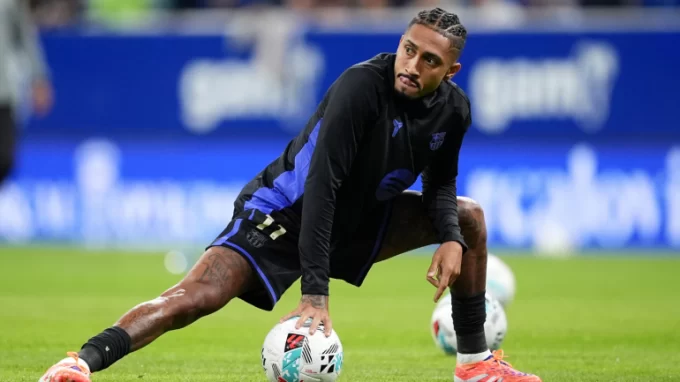
Barcelona’s Fragile Pursuit: When Injuries Threaten More Than Just a Season
A silence spreads over Camp Nou that no roar can drown out—two...
 Chris Marks2 Mins read
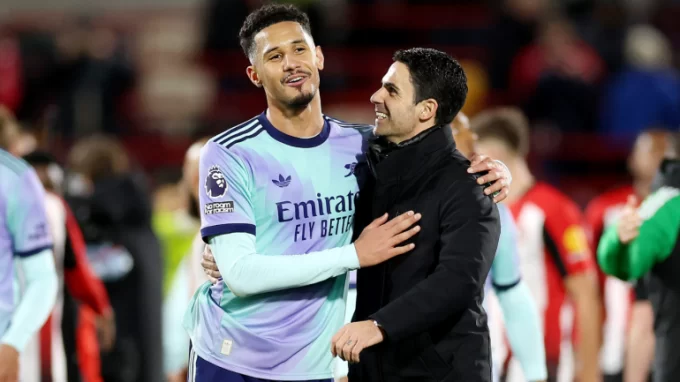
William Saliba: Arsenal’s Silent Architect or Its Greatest Gamble?
The air inside the Emirates shifts with unspoken tension—William Saliba, once a...
 Joseph Bennett2 Mins read
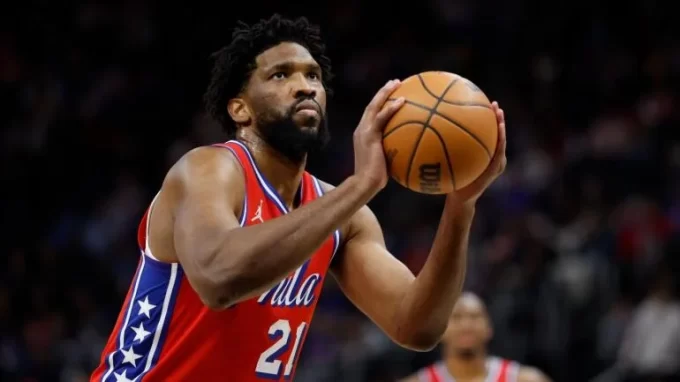
Joel Embiid’s Quiet Confidence: Is the 76ers’ Giant Ready to Rewrite His Story?
Joel Embiid is rarely one to make noise without purpose, and now,...
Kirsten Collins1 Mins read
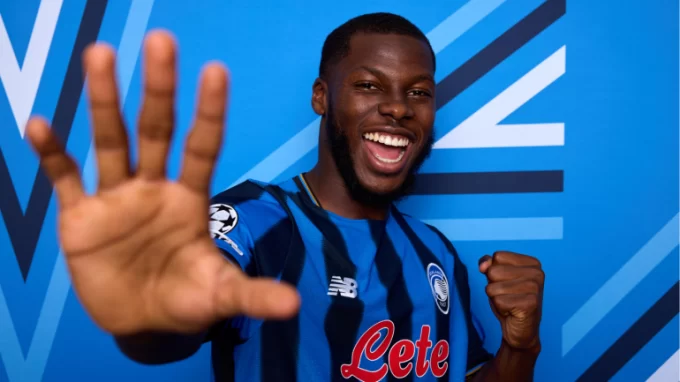
Juventus, Atalanta, and Arsenal’s Quiet Revolution: What’s Really Shaping This Week in Football?
The roar of Serie A stadiums masks a subtle shift, one that...
Kirsten Collins2 Mins read





Leave a comment