

The Loop Never Lies: What “Until Dawn” Really Says About Survival
“Until Dawn” doesn’t just trap its characters in a supernatural time loop—it traps its viewers in the oldest horror of all: what if the scariest thing isn’t dying, but remembering?
 Joseph BennettJuly 30, 20252 Mins read26
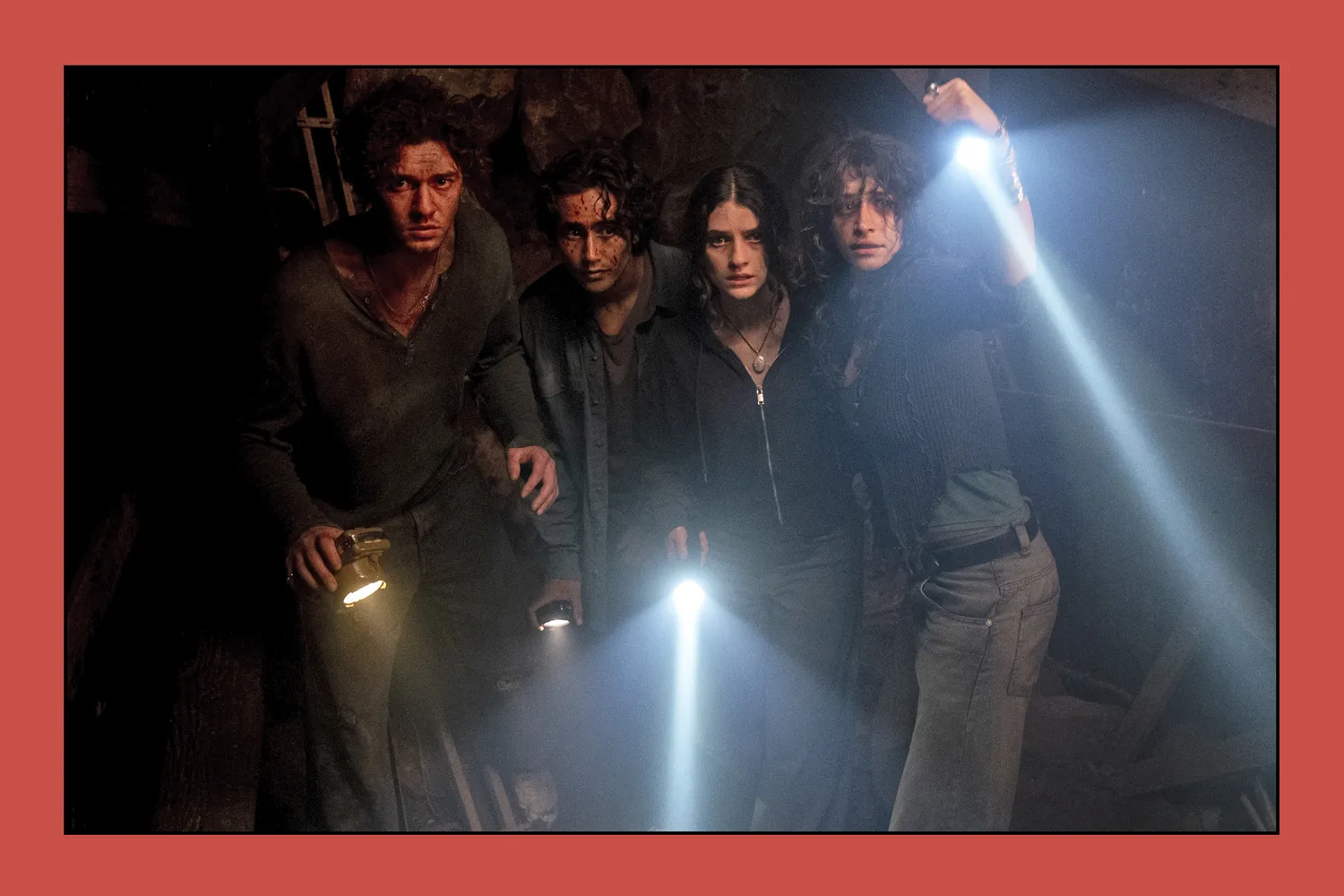
Her foot hits the step, but she’s hit it before. Same bloodied handprint on the railing. Same breath hitch. Same flickering hallway light that stutters like a lie trying not to be told. “Until Dawn,” the psychological horror series adapted from the beloved Supermassive Games title, doesn’t end as much as it implodes—into itself, into memory, into the mirror we pretend not to recognize.
Because the real twist isn’t who survives. It’s who remembers.
At the end of the series, it isn’t the death count that matters—it’s the metaphysical bill left on the table. The revelation that the characters are reliving their trauma in a recursive loop isn’t just a plot device; it’s a dare. A challenge to the viewer: if survival means repeating the moment that broke you, was it really survival at all?
Ghosts That Know Your Name
Time loops in fiction are rarely kind. In Until Dawn, they are clinical. Ruthless. Familiar. The horror isn’t the monster—it’s the memory. And that’s what elevates the show beyond cheap thrills and screams. “The house always wins,” mutters one survivor, voice frayed by exhaustion, eyes too clear to be lying. In Until Dawn, the house isn’t haunted—it is haunting. It doesn’t chase you. It makes you walk willingly into its design.
The creators of the series do not care if you liked the characters. They care if you felt implicated. Because every scream, every bad choice, every whispered apology you didn’t mean to hear—they all loop. Just like the characters. Just like us. Streaming may have changed how horror is consumed, but it hasn’t changed what it feeds on: guilt, shame, the fine print of survival.
And in this house, no one walks away clean.
Survival Isn’t the Point
By the finale, what’s clear is that escape was never the goal. Understanding was. Or at least, the illusion of it. The series ends with a shimmer of ambiguity—a window left ajar, a voice on the radio, a look exchanged that might mean everything or nothing. It’s not about who lives. It’s about who wakes up. And that’s a far more terrifying proposition.
The brilliance of Until Dawn lies in its refusal to grant closure. It trades in echoes, not exclamations. Just when the viewer believes they’ve stitched meaning from the chaos, the narrative folds again—and you’re back at the foot of the stairs, wondering which version of yourself made it this far. It’s horror as recursion. And the loop doesn’t care if you’re ready.
So we ask the wrong question when we ask “who survived?” We should be asking—who remembers? And what’s the price of knowing too much, too late?
At the end of Until Dawn, the blood dries but the door stays open. And maybe that’s the cruelest trick of all. Not that we suffer. But that we suffer with perfect memory.
And still go back in.





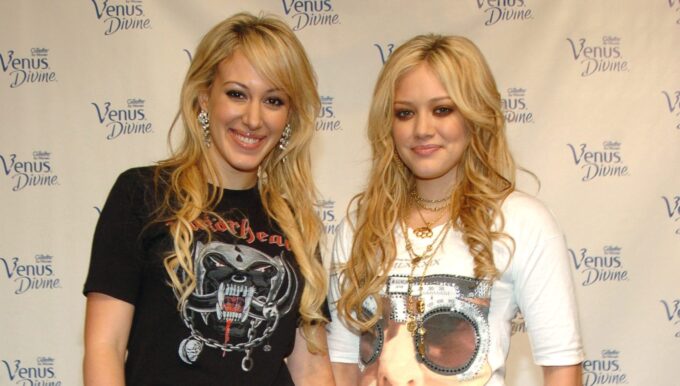
What Happened Between Them? – Hollywood Life
View gallery Image Credit: WireImage Hilary Duff and Haylie Duff were once...
 Kirsten Collins2 Mins read

Pianist Omar Harfouch Brings Celebrated Figures Together for a Night of Cultural Exchange – Hollywood Life
Image Credit: Omar Harfouch On February 20, 2026, pianist and cultural figure...
Kirsten Collins2 Mins read
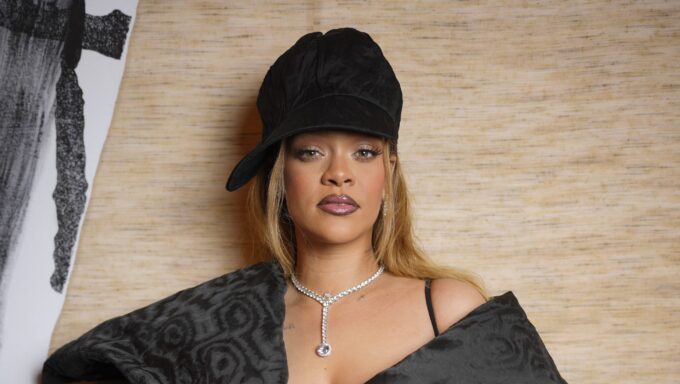
Who Is Ivana Lisette Ortiz? About the Rihanna Home Shooting Suspect – Hollywood Life
Image Credit: WWD via Getty Images The suspect in the March 8,...
Kirsten Collins1 Mins read

What Channel Are the Academy Awards On? – Hollywood Life
Image Credit: AFP via Getty Images The 2026 Academy Awards will bring...
Kirsten Collins1 Mins read





Leave a comment