

When Nostalgia Heals: Demi Lovato and the Camp Rock Reunion That Was More Than a Performance
Demi Lovato’s surprise appearance with the Jonas Brothers at MetLife Stadium transcended a mere nostalgic moment—it was a cathartic reconnection, healing old wounds and celebrating growth in the spotlight.
 Kirsten CollinsAugust 12, 20251 Mins read10
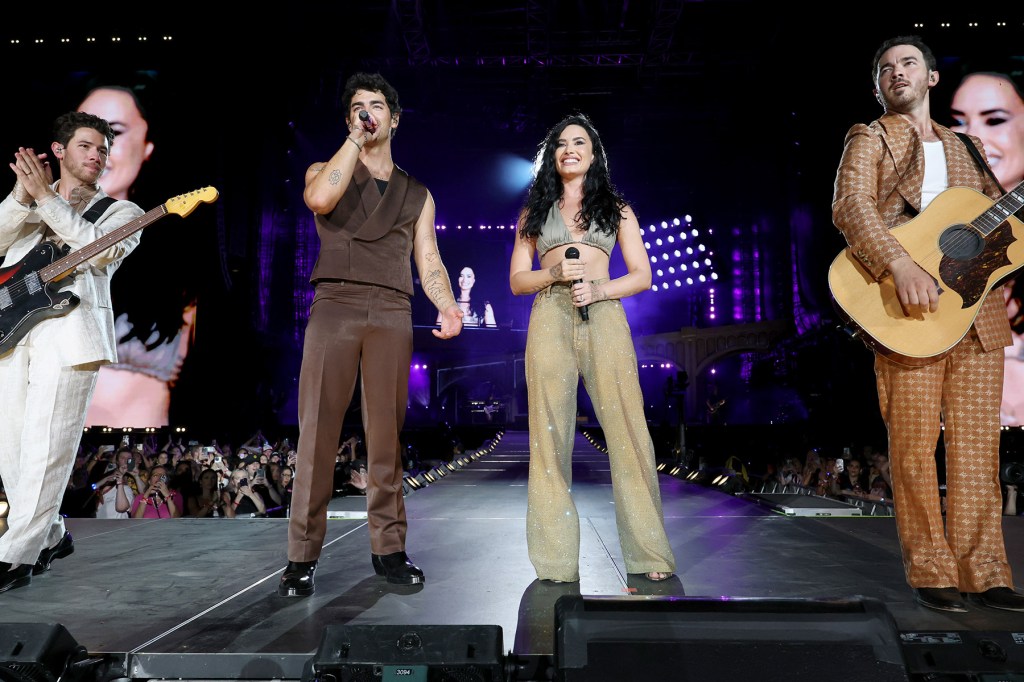
The spotlight hit the stage with a quiet tremor—Demi Lovato, back under a giant stadium sky, stepping into the glow not as a memory but as a resonance made real. Her surprise appearance with the Jonas Brothers at MetLife Stadium wasn’t just a performance—it was a reckoning, a mirror held up to shared history, trauma, and transformation.
It was more than a trip down memory lane; it was a crossroads where past pain met present peace.
Memory as Medicine
Lovato’s entrance wasn’t preplanned in the public eye. On the Chicks in the Office podcast, she detailed how Joe Jonas had texted just a week prior—an invitation to sing “This Is Me” and “Wouldn’t Change a Thing.” Her immediate response? “It was an instant yes,” she confessed, calling the moment “so healing for me, too.” She described the duo’s backstage exchange, the Jonas brothers meeting her new husband and creating a space of warmth and reclamation. It was intimate gratitude dressed in nostalgia.
These weren’t just songs—they were fragments of identity reassembled onstage.
The Weight Behind the Applause
Lovato admitted nerves flickered—too focused on the notes to soak in the adoration—and yet, as the crowd roared, “filled my soul with warmth and love. It was incredible.” In that reunion, years of personal struggle, growing up under the limelight, and navigating recovery were not buried but redeemed. “We’ve been through so much together,” she said—a quiet acknowledgment of a shared journey that TV couldn’t convey.
Not all reunions restore. This one redefined.
So what lingers after the lights dim on this Camp Rock moment? It’s a question of healing as spectacle. Can a pop culture performance carry the weight of emotional closure? And when nostalgia becomes reclamation, where might such reconnections lead—backward, forward… or both?







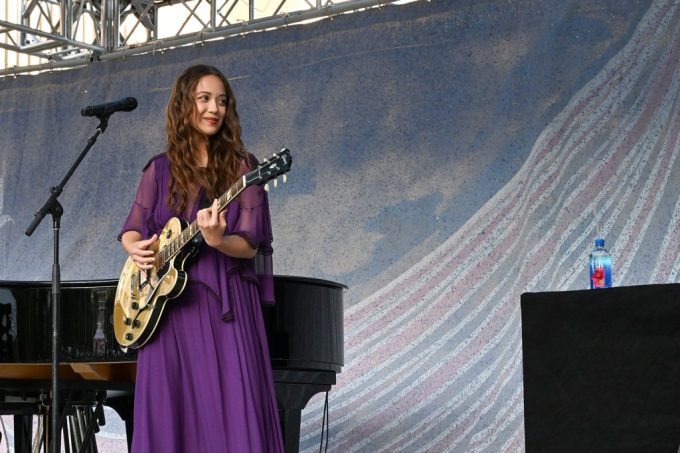
Laufey’s Opening Night Show at LA’s Crypto.com Arena: Best Moments
Laufey opened a two-night stand at Crypto.com Arena in downtown Los Angeles...
 Chris Marks6 Mins read
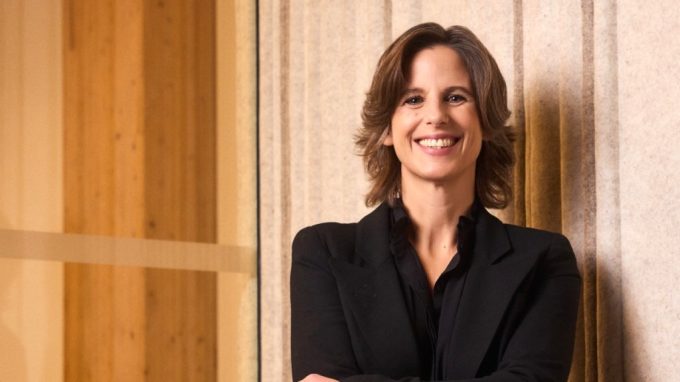
Julie Adam Is Billboard Canada Women in Music’s 2025 Exec of the Year
Julie Adam is having a milestone year — and it’s getting even...
Chris Marks4 Mins read
Spinal Tap Tribute Album with Foo Fighters,Tool for Teen Cancer America
Spinal Tap may be a fake band, but its music is very...
Chris Marks2 Mins read
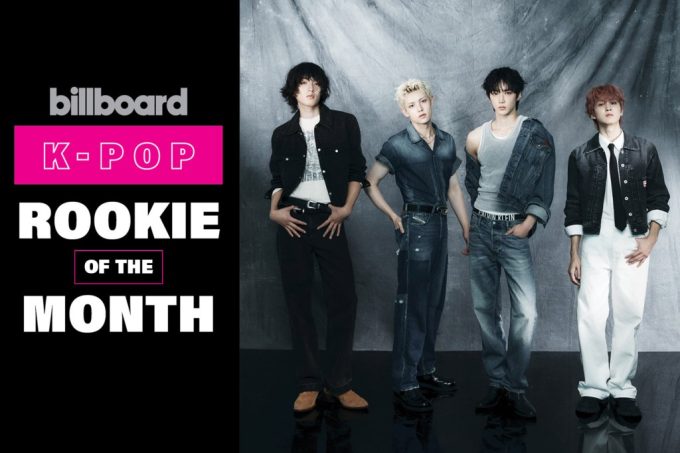
AxMxP Is K-Pop Rookie of the Month for September: Exclusive Photos
Ha Yoo Joon Image Credit: Chin Soyeon You debuted on Sept. 10....
Chris Marks2 Mins read




Leave a comment