

Connie Francis at 87: The Voice That Echoes Beyond Time
Connie Francis, whose 1960s hits like "Pretty Little Baby" found new life on TikTok, has passed at 87—her death prompts a haunting reflection on resilience, resurgence, and the fragility of fame.
 Kirsten CollinsJuly 17, 20251 Mins read16
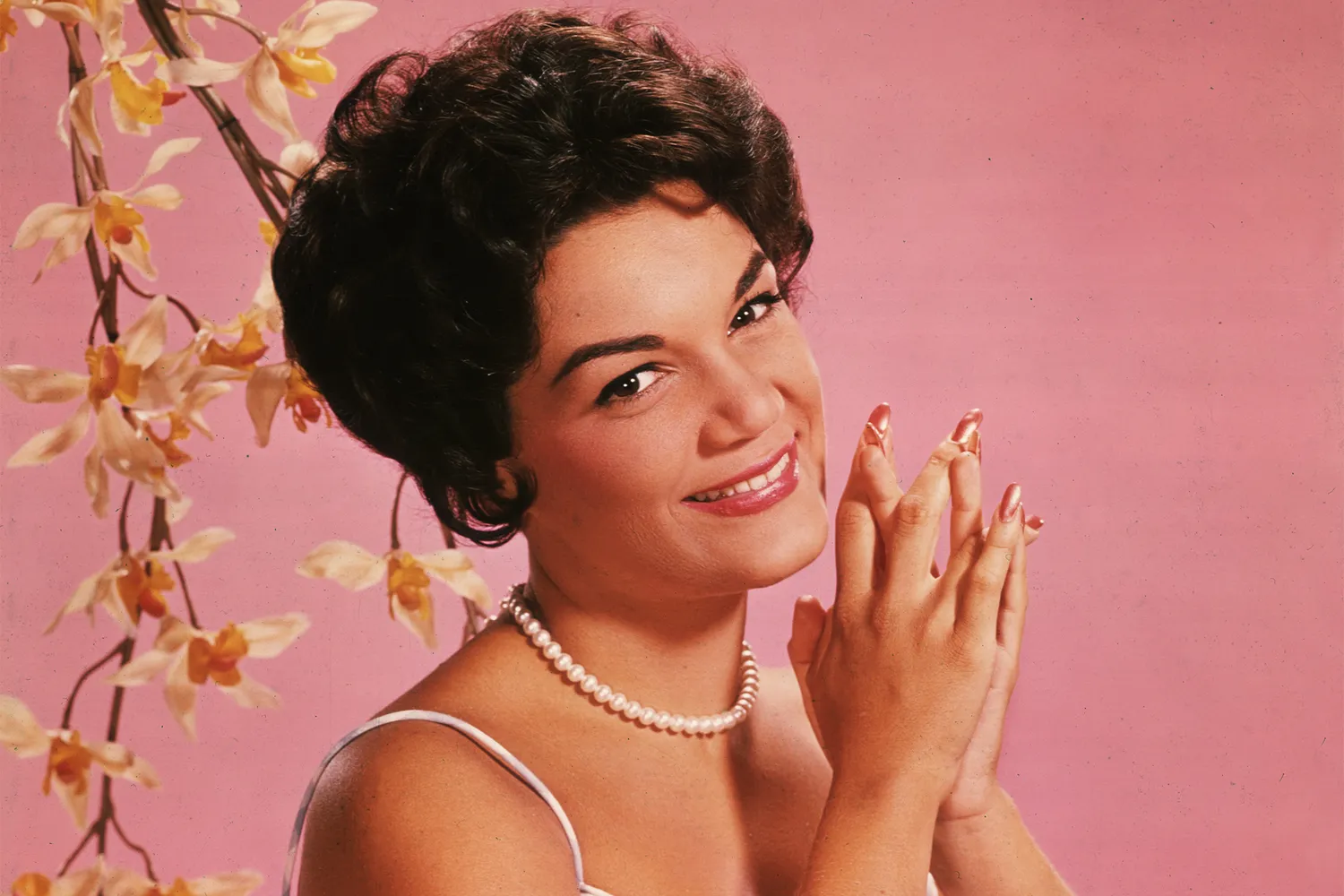
A song forgotten for decades suddenly fills millions of speakers—and then, just as swiftly, its creator disappears from the world. Connie Francis, whose 1962 B-side “Pretty Little Baby” resurfaced in global playlists nearly 63 years later, has died at 87. But the real music now ripples in the questions her passing leaves behind.
Francis’s life was a melody of triumph and tragedy: the first woman to top the Hot 100, a survivor of gut-wrenching personal trauma, a voice silenced by misdiagnosis and hospital walls. Her recent hospitalization echoed with physical pain but also revival—she knew the viral wave, shared her surprise, and even declared, “To think a song I recorded 63 years ago is touching hearts … is truly awesome.” And then she was gone.
When Legacy Returns Unbidden
The internet resurrected her voice, teenagers lipsyncing to a tune she’d nearly forgotten. Her viral resurrection was a second act—yet it came on the cusp of her final curtain. There’s a haunting tension there: that revival tastes sweetest when time is stiffest, and the world rediscovers her as she fades from life.
What does it mean to be reborn only to vanish again? Francis’s resurgence felt like destiny, only to be fleeting, and that paradox strains against our need for permanence.
Artistry Carved From Survival
Her story was never just about the charts. She endured rape, a brother’s murder, institutionalization under a misdiagnosis. But she spoke out, reclaimed her voice, became an advocate. Her pain was real, yet she transformed it—voice intact, spirit unbroken.
In her final weeks, she remained dignified, wheelchair-bound but unfaltering. She “fought,” as her friend noted. We remember her wins and her wounds—yet we wonder what echoes linger in the silence she’s left behind.
Connie Francis’s death isn’t an ending—it’s a coda. The world will spin her song again, but the deeper beat lingers in her resilience, her grief, her defiance. In an age chasing viral moments, her life reminds us: true resonance is forged in both spotlight and shadow.
And as that final note fades, the question remains: when memory sings, who will remember the heart behind the voice?






When Mercy Meets Tragedy: The Widow Who Forgave Her Husband’s Killer
The air thickens when forgiveness enters a room meant for grief. Imagine...
 Chris Marks1 Mins read

When Fear Became a Lifeline: Pete Davidson’s Reckoning in Rehab
There’s a silence that follows a mother’s voice when she confesses her...
 Joseph Bennett1 Mins read

Pete Davidson’s mom told him in rehab worst fear was learning he died
Pete Davidson is opening up about the heartbreaking moment he had with...
Chris Marks2 Mins read

Katie Couric’s Unexpected Spin on Sydney Sweeney’s American Eagle Ad: What’s Really Being Said?
Katie Couric stepping into a scene dominated by Gen Z glamour feels...
 Krista Freeland2 Mins read




Leave a comment