

Did Clipse Leave Def Jam Over a Kendrick Lamar Verse?
A dispute over a Kendrick Lamar feature on Clipse's upcoming album led to the duo's departure from Def Jam. But was it just about a verse, or something deeper?
 Krista FreelandJune 3, 20251 Mins read22
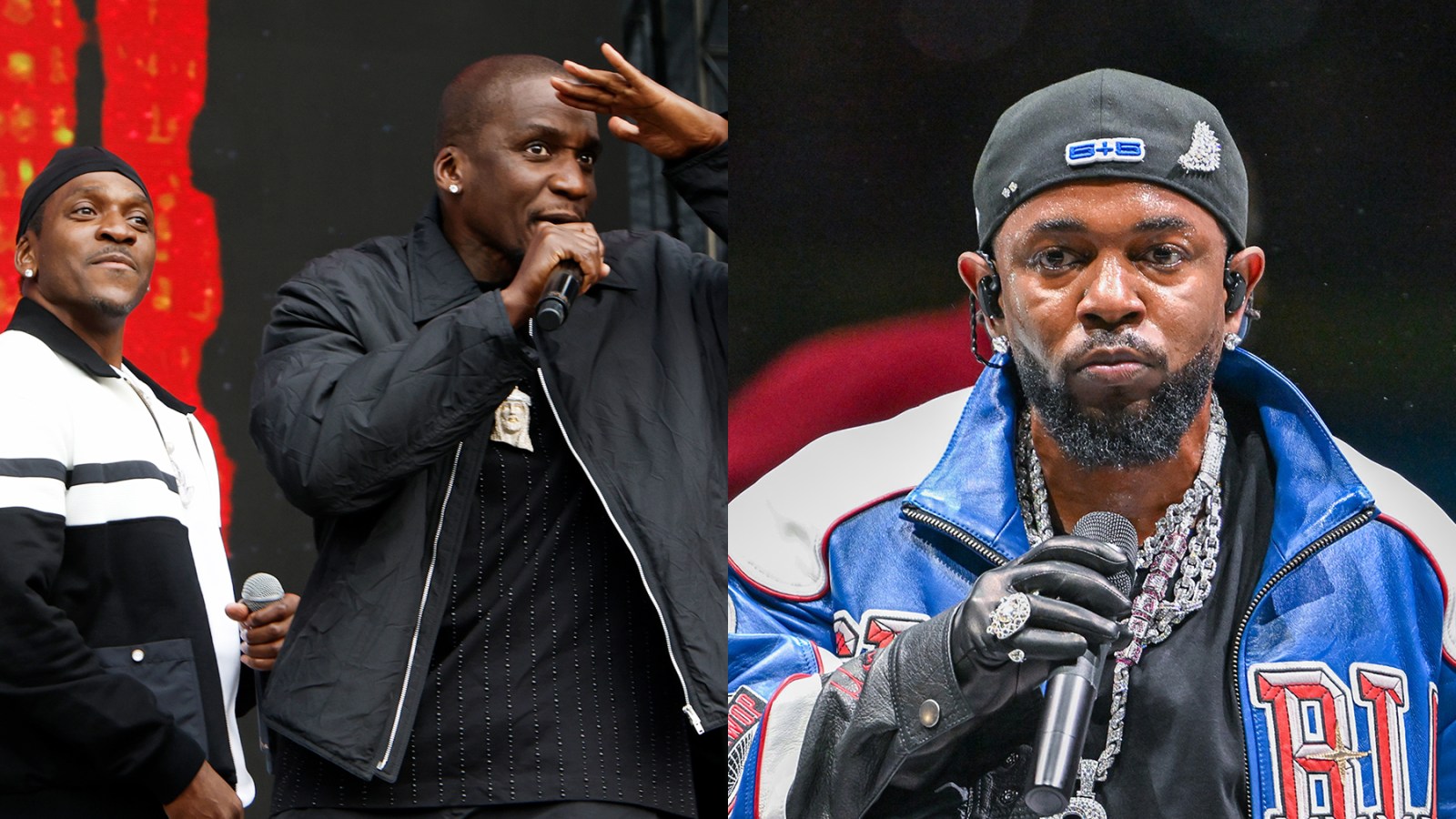
The Verse That Shook the Industry
A single verse. That’s all it took to unravel years of contractual ties and ignite a firestorm in the hip-hop world. Clipse, the iconic Virginia duo, found themselves at a crossroads when Def Jam demanded a change to Kendrick Lamar’s verse on their track “Chains & Whips.” The label’s request? Censor Kendrick’s words or remove the track entirely. Pusha T stood firm: “No, it’s not happening.” The result? Def Jam chose not to release the song, leading to the duo’s exit from the label. But was this dispute merely about a verse, or was there a deeper undercurrent at play?
Industry Politics at Play
The timing of this fallout is telling. Universal Music Group, Def Jam’s parent company, is embroiled in a legal battle with Drake, who alleges the label promoted Kendrick’s diss track “Not Like Us.” Given these tensions, the inclusion of Kendrick on a Clipse track was seen as too provocative. Pusha T noted, “The connection of the parties… was a little bit too much for them.” Was this just a matter of optics, or was the industry’s internal politics influencing artistic decisions?
The Cost of Artistic Integrity
In the face of mounting pressure, Clipse chose their art over corporate interests. Pusha T reportedly paid a seven-figure sum to terminate his contract, ensuring the album’s release under Roc Nation. The forthcoming album, “Let God Sort Em Out,” is set to drop on July 11, featuring Kendrick’s unaltered verse. This move underscores a pivotal question: How much are artists willing to sacrifice to maintain creative control in an industry rife with corporate influence?
Looking Ahead
As the release date approaches, the music world watches closely. Will “Let God Sort Em Out” signal a shift in how artists navigate industry pressures? And how will this saga influence future collaborations and label dynamics? One thing is certain: the story of Clipse’s departure from Def Jam is far from over.







Laufey’s Opening Night Show at LA’s Crypto.com Arena: Best Moments
Laufey opened a two-night stand at Crypto.com Arena in downtown Los Angeles...
 Chris Marks6 Mins read
Julie Adam Is Billboard Canada Women in Music’s 2025 Exec of the Year
Julie Adam is having a milestone year — and it’s getting even...
Chris Marks4 Mins read
Spinal Tap Tribute Album with Foo Fighters,Tool for Teen Cancer America
Spinal Tap may be a fake band, but its music is very...
Chris Marks2 Mins read
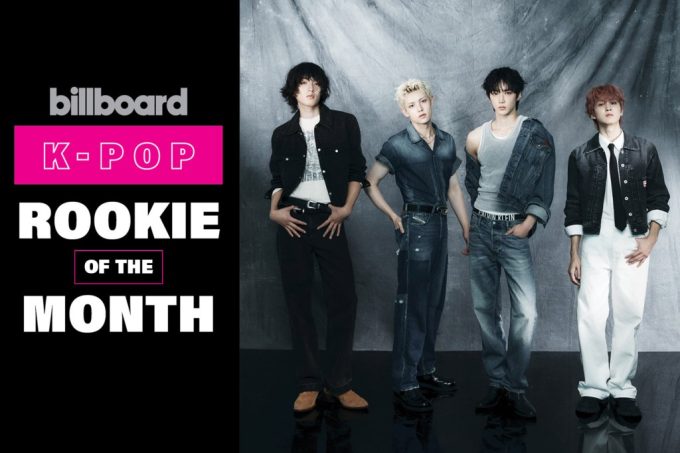
AxMxP Is K-Pop Rookie of the Month for September: Exclusive Photos
Ha Yoo Joon Image Credit: Chin Soyeon You debuted on Sept. 10....
Chris Marks2 Mins read




Leave a comment