

Diddy’s Exit Strategy: Redemption or Rebrand?
After the implosion of his empire, Sean “Diddy” Combs is plotting something—something polished, strategic, and disarmingly quiet. But is this a comeback, or a calculated erasure of the past?
 Joseph BennettAugust 1, 20252 Mins read20
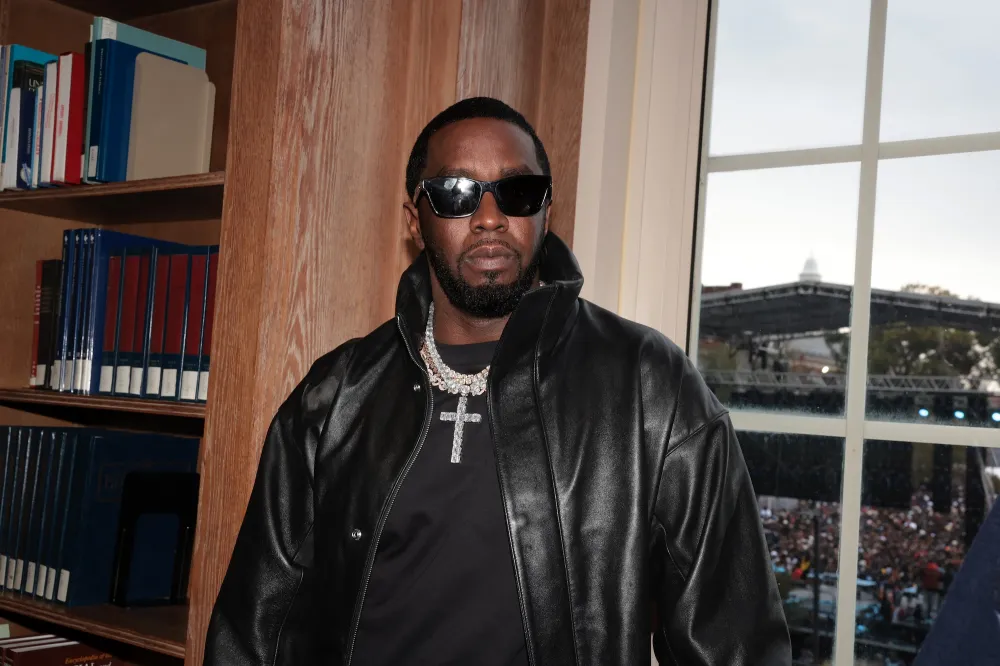
There are no limousines waiting at the gates. No press conference. No triumphant arms raised to the sky. When Diddy walked out of jail, the world—once shaped by his rhythms and ruthlessness—didn’t pause. It barely blinked. That silence may be the most deafening thing he’s ever produced.
What follows that kind of fall? Not a remix. Not a revival. Something colder. His lawyer says he’s “restructuring his life.” A phrase that sounds more like corporate rebranding than soul-searching. Yet behind that sterile language is the echo of something older: a man who built an empire on swagger, now faced with the bone-chilling quiet of a culture that’s moved on—or worse, is quietly keeping score.
The Soft Launch of Redemption
The thing about Diddy is that he’s never asked for forgiveness—he’s demanded relevance. But relevance is a shapeshifter now, and the rules of scandal survival have changed. Where once bad press fueled record sales and courtrooms doubled as concert stages, now the digital mob writes the narrative faster than any team of lawyers can redact it.
Combs’ legal troubles have punctured the mythos he spent three decades building. From Harlem hustle to Forbes list royalty, his was the American dream with a bottle service twist. But today, the dream reads differently. In the words of one entertainment publicist who asked not to be named, “He can’t just make a documentary and cry in Malibu. That era’s over. The internet remembers too well.”
So the next act is quieter by necessity. Charities, mentorship programs, “focus on family” PR blurbs. The familiar tools of celebrity absolution—but this time, they feel less like a return and more like an audit.
When a Myth Collapses, Who Gets to Rebuild It?
What’s fascinating isn’t just what Diddy will do next—it’s who we allow him to become in the aftermath. Will the mogul narrative be repackaged, refined, and re-fed to a new generation too young to remember—or care—why he vanished in the first place? Or are we finally at the cultural inflection point where fame no longer outruns memory?
Even now, the machine grinds on. Rumors swirl of a memoir, of legacy projects, of a controlled slow-drip of visibility—designed not to provoke, but to quietly remind. Invisibility, after all, has never suited him. And so he re-enters the room not as the bad boy of hip-hop, but as the misunderstood patriarch. Not a villain. Not a victim. A brand under reconstruction.
Maybe the real question isn’t whether he returns. It’s whether we’ve grown too cynical to believe the next version of him. Or perhaps, too complicit to care.





When Mercy Meets Tragedy: The Widow Who Forgave Her Husband’s Killer
The air thickens when forgiveness enters a room meant for grief. Imagine...
 Chris Marks1 Mins read
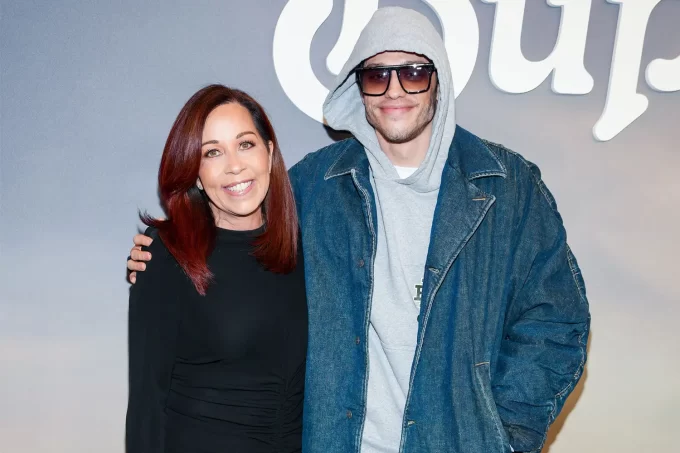
When Fear Became a Lifeline: Pete Davidson’s Reckoning in Rehab
There’s a silence that follows a mother’s voice when she confesses her...
Joseph Bennett1 Mins read
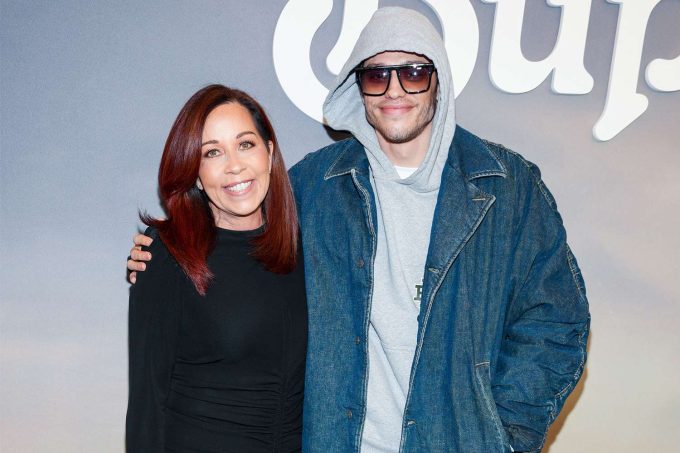
Pete Davidson’s mom told him in rehab worst fear was learning he died
Pete Davidson is opening up about the heartbreaking moment he had with...
Chris Marks2 Mins read

Katie Couric’s Unexpected Spin on Sydney Sweeney’s American Eagle Ad: What’s Really Being Said?
Katie Couric stepping into a scene dominated by Gen Z glamour feels...
 Krista Freeland2 Mins read





Leave a comment