

Diddy, Trump, and the Velvet Rope of Power
When the king of Bad Boy reaches across the aisle to a man who called Central Park Five "guilty," we’re not witnessing desperation—we’re watching the American myth of celebrity clemency crumble in real time.
 Kirsten CollinsAugust 6, 20252 Mins read17
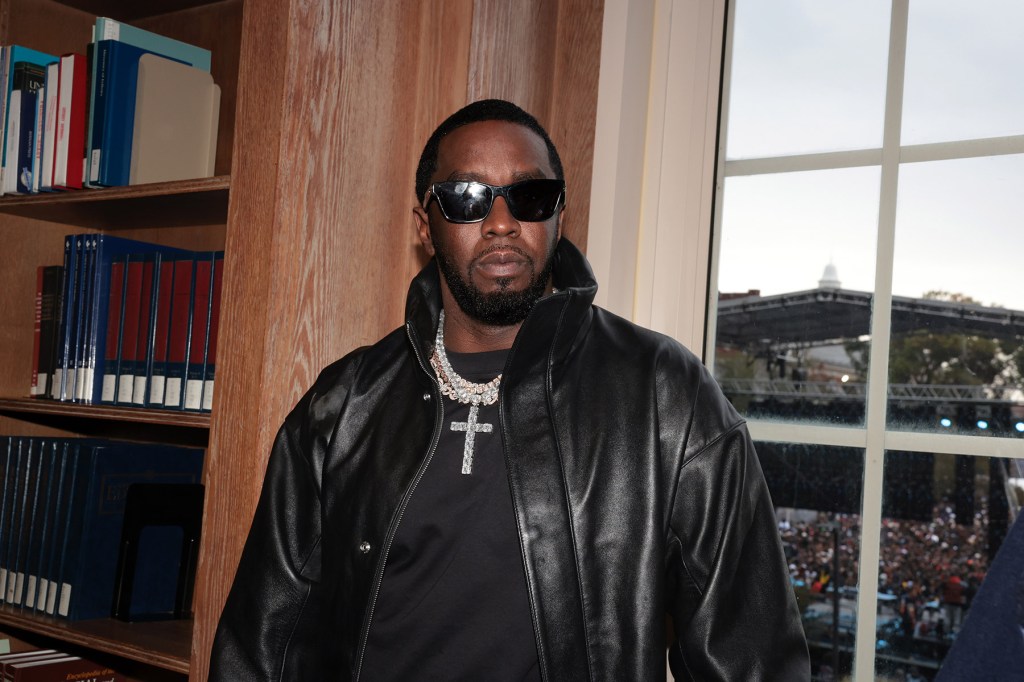
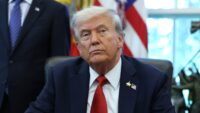
It always begins with a whisper. A lawyer makes a call. A message slips through the backdoor of Washington’s gaudiest palace. Somewhere between the golf course and the golden elevator, Donald Trump is told that Sean “Diddy” Combs would like to talk. Not about music. Not about moguldom. About a pardon.
And just like that, we’re no longer in the realm of music or justice—we’re in the theater of American exceptionalism, where celebrity isn’t just power, it’s a plea. Diddy, the man who made millions off rebellion, off “Vote or Die,” is now caught in a script so classically American it might as well be written in the ink of Nixon’s pardon: redemption by association, absolution by spectacle.
When the Beat Drops, the Deal Begins
The request was quiet, strategic, and—according to Diddy’s legal team—completely appropriate given the climate. There’s nothing illegal about seeking a presidential pardon. But there’s something unsettling about who gets to ask—and who gets heard. We’ve seen it before: Lil Wayne, Kodak Black, even Joe Exotic made the shortlist. Trump’s pardon list has always looked less like legal relief and more like a Met Gala guest list curated by a culture-blind algorithm.
And then there’s Diddy, who has spent decades curating not just his music empire, but his moral one. The public-facing philanthropist. The mogul who mentored Biggie, who launched Making the Band, who sold us Ciroc and Black excellence in the same breath. For him to reach into Trump’s orbit isn’t just about legal leverage—it’s about moral optics. And those optics are cracking.
The Price of Being Untouchable
Celebrity has always offered a kind of diplomatic immunity. What’s new is the way it’s now braided into political infrastructure. Diddy’s name doesn’t just carry weight in the studio—it carries it in backrooms of power where legal fate is determined not by innocence, but by proximity. A pardon isn’t about guilt. It’s about access. And no genre understands access better than hip-hop.
One former aide in Trump’s circle said, “He respects fame more than anything. If you can fill a stadium, he’ll take your call.” Which raises the question: Is the justice system a velvet rope now? And if so, who’s manning the door?
There’s a cynical poetry to the whole thing. A man whose career was built on being untouchable now finds himself touching the darkest corners of power to stay free. And in the process, we’re all forced to confront what clemency really means in a country where celebrity is currency and power is traded like vintage vinyl.
So what does it say when a man like Diddy—who once rapped about “Can’t nobody hold me down”—calls upon the very institution built to hold people down? Maybe this is what happens when the remix becomes the reality. Maybe, just maybe, the only real difference between the pardon and the playlist is who’s allowed to press play.




Laufey’s Opening Night Show at LA’s Crypto.com Arena: Best Moments
Laufey opened a two-night stand at Crypto.com Arena in downtown Los Angeles...
 Chris Marks6 Mins read
Julie Adam Is Billboard Canada Women in Music’s 2025 Exec of the Year
Julie Adam is having a milestone year — and it’s getting even...
Chris Marks4 Mins read
Spinal Tap Tribute Album with Foo Fighters,Tool for Teen Cancer America
Spinal Tap may be a fake band, but its music is very...
Chris Marks2 Mins read
AxMxP Is K-Pop Rookie of the Month for September: Exclusive Photos
Ha Yoo Joon Image Credit: Chin Soyeon You debuted on Sept. 10....
Chris Marks2 Mins read


Leave a comment