

Pardons, Power, and Puffery: What Diddy’s Silence Says About America’s Soundproof Elite
While Diddy's legal empire smolders in the public eye, his lead attorney says he hasn’t spoken to the President about a pardon. But in the world of gilded immunity, is silence just another form of negotiation?
 Joseph BennettAugust 7, 20252 Mins read20
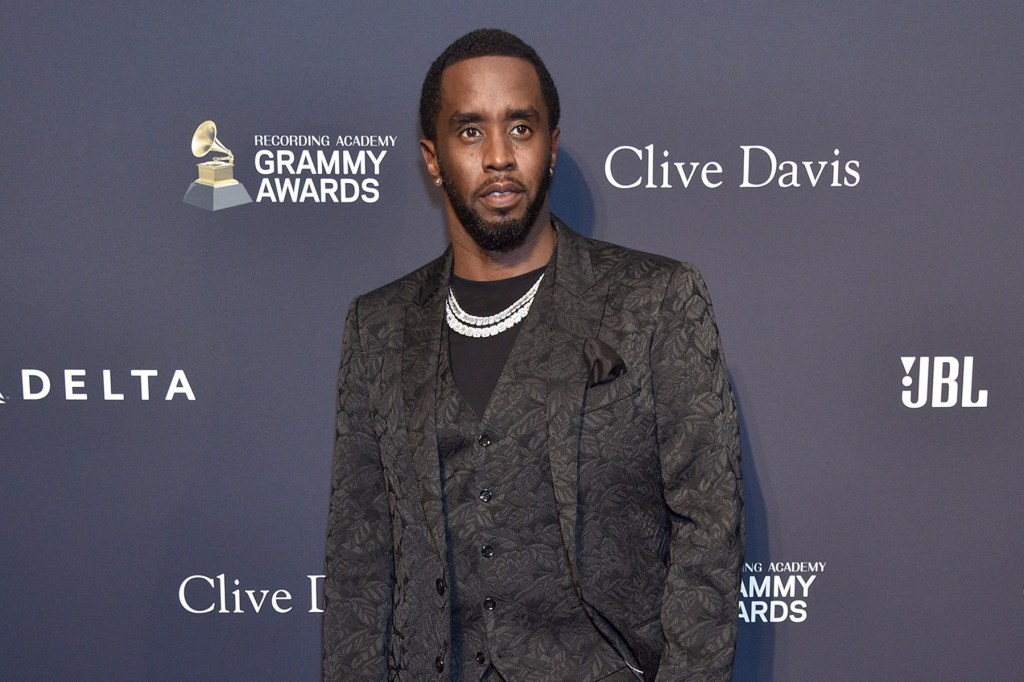
They say you can hear a scandal before it explodes—paparazzi lenses twitch, assistants vanish into elevators, and lawyers begin every sentence with “no comment.” But in the echo chamber surrounding Sean “Diddy” Combs, silence isn’t avoidance. It’s performance. And when his lead attorney recently clarified that he hasn’t “spoken to the President about a pardon,” it wasn’t just a denial—it was a wink through soundproof glass.
Let’s not pretend the question is absurd. In a post-Weinstein, post-Trump, post-everything landscape, the very idea of consequence has become a flexible, negotiable asset for the culturally entrenched. The powerful no longer clean up messes. They curate them. And the idea that Diddy’s orbit—once the epitome of East Coast swagger turned billionaire conglomerate—is now potentially spiraling into legal oblivion isn’t just a hip-hop headline. It’s a high-stakes meditation on modern immunity.
The Velvet Rope Around Consequence
There was a time when celebrity scandal operated like Greek tragedy. Fall from grace, public reckoning, maybe even a redemption arc sold to Netflix. But what we’re seeing now is different. No catharsis, just chaos. And Diddy, with his mansions, his mogul status, his carefully coiffed legacy, is quietly becoming the poster boy for how to outlive a storm without ever looking wet.
Here’s the mystery: Why mention the President at all? If the question is as far-fetched as it sounds, why dignify it with a direct answer? Perhaps because in this era, simply floating the concept of presidential leniency—however absurd—signals something far more interesting than guilt or innocence. It signals proximity. To power. To privilege. To the idea that, even under investigation, you might still be holding a VIP pass to the halls of absolution.
“It’s not even a discussion,” Diddy’s team insists. But in these kinds of dramas, what’s not discussed is often more revealing than what is.
Not Guilty, Just Untouchable
Diddy has not been charged. But America’s legal appetite for spectacle doesn’t wait for indictments anymore. We’ve long known that fame creates a buffer zone. The richer the sound system, the easier it is to drown out static. And the sound coming from Camp Combs is eerily controlled.
Is this just strategic crisis management—or a blueprint for the new American aristocracy? After all, the legal elite and the cultural elite have always flirted behind closed doors. The court of public opinion is one thing. But real immunity is often granted with a nod, a favor, a well-timed silence.
A pardon may never be requested. It may never be needed. But the fact that we’re talking about one, in the middle of ongoing investigations, hints at a deeper rot—where innocence is less relevant than influence, and consequence is something that happens to other people.
The gold standard of fame used to be measured in Grammys. Now, it’s how well you can remain untouched while the world digs into your closets. For Diddy, the question isn’t whether he’ll get a pardon. It’s whether he’s already written one for himself, in the language of silence, wealth, and the kind of visibility that paradoxically makes you untouchable.
Sometimes, the loudest statement is the one nobody says out loud.





Laufey’s Opening Night Show at LA’s Crypto.com Arena: Best Moments
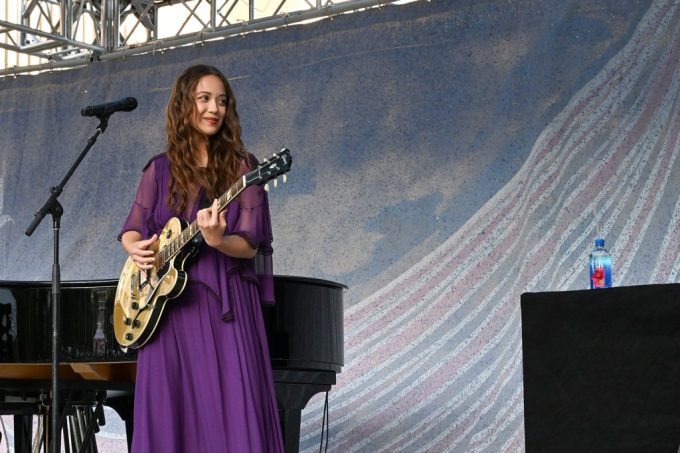
Laufey opened a two-night stand at Crypto.com Arena in downtown Los Angeles...
 Chris Marks6 Mins read
Julie Adam Is Billboard Canada Women in Music’s 2025 Exec of the Year
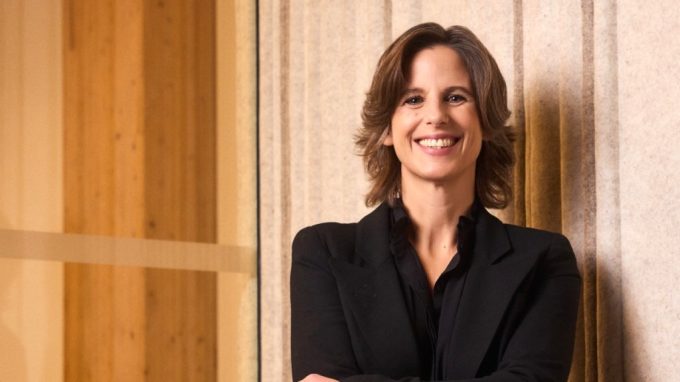
Julie Adam is having a milestone year — and it’s getting even...
Chris Marks4 Mins read
Spinal Tap Tribute Album with Foo Fighters,Tool for Teen Cancer America
Spinal Tap may be a fake band, but its music is very...
Chris Marks2 Mins read
AxMxP Is K-Pop Rookie of the Month for September: Exclusive Photos
Ha Yoo Joon Image Credit: Chin Soyeon You debuted on Sept. 10....
Chris Marks2 Mins read





Leave a comment