

Dissolution: Nicholas Binge’s Mind-Bending Journey Through Memory, Love, and Reality
 Showline ReviewerApril 7, 20251 Mins read53
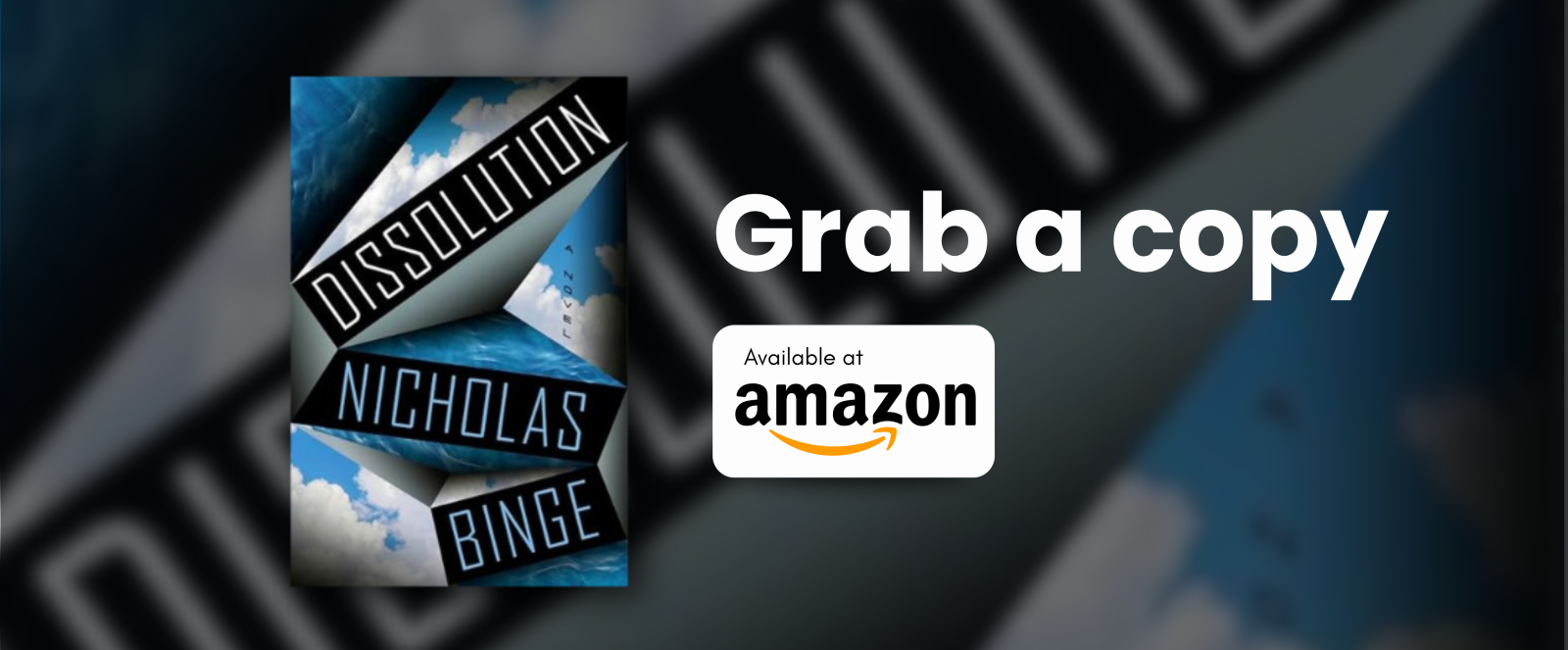
Unraveling the Threads of Existence in ‘Dissolution’
Imagine standing at the precipice of your own consciousness, peering into the abyss where memories intertwine with reality, and the past is not a fixed narrative but a malleable tapestry. Nicholas Binge’s Dissolution invites readers into this labyrinthine exploration, where the mind becomes both a sanctuary and a battleground.
The story centers on Maggie Webb, an 83-year-old woman whose life has been devoted to caring for her husband, Stanley, as he succumbs to the relentless grip of memory loss. Their shared history, once a source of strength, now serves as a poignant reminder of the fragility of identity. Binge portrays Maggie not as a passive observer but as a determined protagonist, willing to traverse the enigmatic corridors of Stanley’s mind to reclaim the man she once knew.
The novel’s structure oscillates between past and present, mirroring the fluidity of memory itself. Through Maggie’s introspective journey, readers encounter the complexities of Stanley’s youth, marked by clandestine scientific endeavors aimed at expanding human cognition. These recollections are not mere backstory but integral pieces of a puzzle that, when assembled, reveal a chilling commentary on the perils of unchecked ambition.
Binge’s prose is both evocative and precise, capturing the ephemeral nature of memories with lyrical grace. The narrative delves into the philosophical underpinnings of identity, posing questions about the essence of self when memories can be altered or erased. This existential quandary is encapsulated in a moment where Maggie reflects on the nature of her husband’s fading recollections, pondering whether the erosion of memory equates to the dissolution of the soul.
Symbolism permeates the novel, with the concept of ‘dissolution’ serving as a multifaceted metaphor for the disintegration of memory, relationships, and objective reality. The pacing is deliberate, allowing readers to immerse themselves in the atmospheric tension that builds with each revelation. Binge masterfully balances the cerebral with the emotional, ensuring that the narrative’s intellectual depth does not overshadow its human core.
Who Should Read This?
Dissolution is a compelling read for those who appreciate speculative fiction that challenges perceptions and delves into the intricacies of the human psyche. Fans of thought-provoking narratives that intertwine science, philosophy, and emotion will find Binge’s latest work both stimulating and profoundly moving. It’s particularly suited for readers intrigued by the exploration of memory and identity, and the ethical implications of manipulating the mind.
Review Overview
Summary
In Dissolution, Nicholas Binge crafts a gripping narrative where the boundaries of memory and reality blur, compelling readers to question the very fabric of human experience.
- Story Grip9
- Character Connection8
- Writing Vibe9
- Freshness & Meaning9
- World & Mood8
- Heartstrings & Haunting8
- Overall Flow9







When “107 Days” Meets Outcry: Harris’s Book Tour Interrupted
The microphone crackled to life, and before Harris could finish her opening...
 Chris Marks1 Mins read

Whispers in the Shadows: Why Holly Black’s Sequel Is a Dark Invitation We Can’t Ignore
The night isn’t just dark—it’s ravenous, greedy, and it’s coming for you....
Chris Marks2 Mins read

Why Stephenie Meyer’s Regret About Edward Changes Everything You Thought You Knew
The moment Stephenie Meyer admitted she wouldn’t pick Edward Cullen today, a...
Chris Marks2 Mins read

When Fear, Fury & Feathers Collide: Cinema, Superheroes, and a Confessional Album
Open with tension—the kind that threads through a scream, a reveal, and...
Chris Marks2 Mins read





Leave a comment