

Why a Division Rival Thanked the Red Sox for Trading Rafael Devers — But Not for the Obvious Reason
When the Red Sox traded Rafael Devers, a division rival’s gratitude surprised everyone—not because of what they gained, but what they saw Boston losing. What hidden dynamics does this move reveal beneath the surface?
 Kirsten CollinsJune 17, 20252 Mins read12

The moment the news broke—that Rafael Devers was no longer a Red Sox—the room didn’t just buzz with shock; it rippled with a strange kind of gratitude. Not from fans or commentators, but from a division rival. Yet their “thank you” was layered, steeped in complexity, and it wasn’t about the player Boston lost. It was about something far less visible, more unsettling.
Trades often tell straightforward stories: talent shifts, strategic moves, or salary dumps. But this one whispers a different narrative, one about identity, power, and what it means to be a team that can’t afford to lose its soul.
The Quiet Gift of Absence
What if the real prize wasn’t Devers himself but the vacuum his departure left behind? In the cutthroat world of divisional baseball, a player like Devers is more than a statistic; he’s a symbol of resilience, of grit—the intangible qualities that fuel rivalries and elevate teams. The division rival’s gratitude hints at a calculated relief: Boston’s loss is not just a loss of talent but a fracturing of the aura that kept their opponents on edge.
“It’s not about who we get in return,” one insider murmured, “It’s about the fear we no longer have to carry.” There’s a paradox in that statement—how the departure of one star can alter the psychological battlefield more than any lineup change.
Shadows Cast by a Trading Block
To understand the full weight of this trade, look beyond the surface stats. Boston’s move cracks open a broader conversation about loyalty, ambition, and the unseen pressures weighing on a franchise at a crossroads. Has the Red Sox’s decision revealed fractures in their long-term vision, or is it a ruthless recalibration masked by optics?
The rival team’s appreciation almost sounds like a lament, a recognition that sometimes what you lose in the market reshapes the entire league’s landscape. The trade doesn’t just shift players—it shifts power, confidence, and perhaps even the unspoken rules that govern competition in one of baseball’s fiercest rivalries.
In the end, Rafael Devers’ trade is a study in what absence can mean: more than a missing player, it’s a fracture in narrative and a quiet reset in power. The rival’s thank you is less a celebration and more a question left hanging—what is a team without its heart? And can the Red Sox ever reclaim what they’ve let slip away?







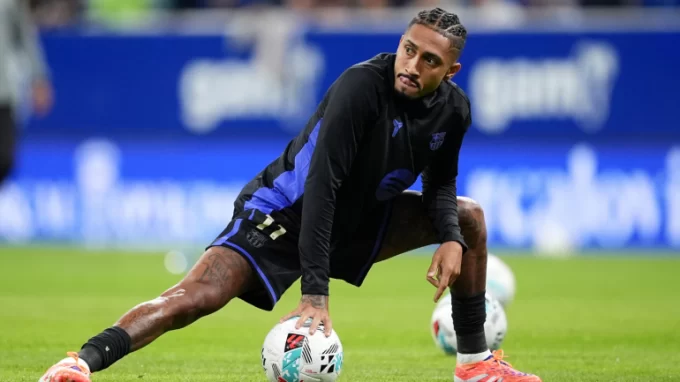
Barcelona’s Fragile Pursuit: When Injuries Threaten More Than Just a Season
A silence spreads over Camp Nou that no roar can drown out—two...
 Chris Marks2 Mins read
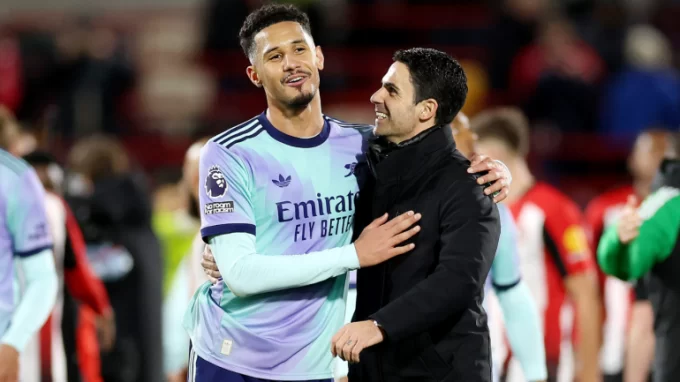
William Saliba: Arsenal’s Silent Architect or Its Greatest Gamble?
The air inside the Emirates shifts with unspoken tension—William Saliba, once a...
 Joseph Bennett2 Mins read

Joel Embiid’s Quiet Confidence: Is the 76ers’ Giant Ready to Rewrite His Story?
Joel Embiid is rarely one to make noise without purpose, and now,...
Kirsten Collins1 Mins read
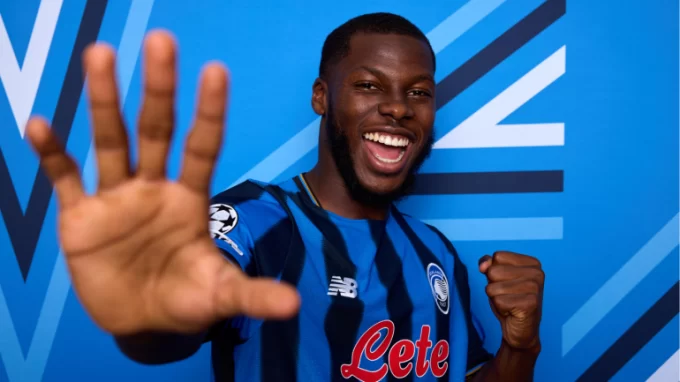
Juventus, Atalanta, and Arsenal’s Quiet Revolution: What’s Really Shaping This Week in Football?
The roar of Serie A stadiums masks a subtle shift, one that...
Kirsten Collins2 Mins read





Leave a comment