

DJ Koze’s Latest Asks: Can Music Still Hear You?
In Music Can Hear Us, DJ Koze doesn’t just mix tracks—he dissects consciousness. But in a world deafened by noise, is anyone really listening?
 Kirsten CollinsApril 3, 20251 Mins read239
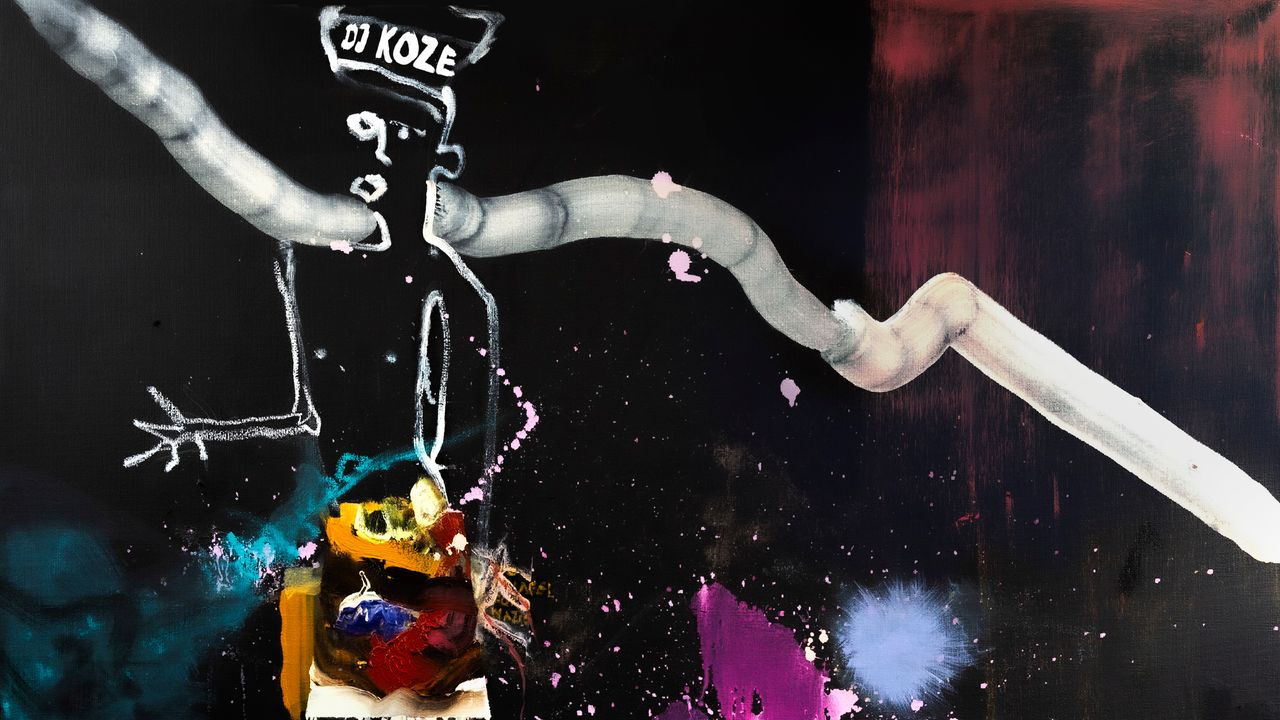
It begins with a whisper—not a sample, not a synth—just a moment of sonic hesitation, like the album is listening to you before deciding how to begin. Music Can Hear Us, DJ Koze’s latest descent into layered madness and unexpected tenderness, doesn’t try to announce itself. It murmurs. It drifts. It dares you to lean in.
There are beats, sure. There are vocals, fragments, echoes of thought turned into pulse. But more than anything, there’s space—wide, aching, intelligent space. Koze isn’t making music to fill your room. He’s making music to fill your absence. Each track feels like a memory being remixed in real time. Nothing linear. Nothing solid. Everything fluid.
This Isn’t Dance Music. It’s Thought Music.
While many producers chase clarity, DJ Koze remains obsessed with the blur. “Candid Panoramas” hovers on the edge of melody before collapsing into a field recording that could be a breeze, or a breath. “Synthetic Love Letter” sounds like an apology written by a machine learning what heartbreak is. These aren’t bangers—they’re contemplations. And still, they move you.
One listener said the album felt like “a long stare out of a train window you never boarded.” That’s the Koze effect: dislocation turned into rhythm, disassociation rendered beautiful. His tracks don’t drop—they dissolve. And somewhere in that ambient fade, a strange intimacy is born. You’re not sure if the album is talking to you, or through you.
When the Machines Start Whispering Back
There’s a profound question hidden inside this record: in a world saturated by algorithms and auto-play, can music still surprise us? Can it still see us? Koze seems to think it can. Or maybe, more daringly, he believes music still wants to. That it has a soul not built by wires, but haunted by humanity.
The title itself feels less like a statement and more like a quiet accusation. Music Can Hear Us—so what are we saying?
By the end of the album, nothing feels resolved. There’s no climax, no neat fade-out. Just the sense that something has shifted. You’re not sure what. Maybe that’s the point.







Laufey’s Opening Night Show at LA’s Crypto.com Arena: Best Moments
Laufey opened a two-night stand at Crypto.com Arena in downtown Los Angeles...
 Chris Marks6 Mins read

Julie Adam Is Billboard Canada Women in Music’s 2025 Exec of the Year
Julie Adam is having a milestone year — and it’s getting even...
Chris Marks4 Mins read

Spinal Tap Tribute Album with Foo Fighters,Tool for Teen Cancer America
Spinal Tap may be a fake band, but its music is very...
Chris Marks2 Mins read
AxMxP Is K-Pop Rookie of the Month for September: Exclusive Photos
Ha Yoo Joon Image Credit: Chin Soyeon You debuted on Sept. 10....
Chris Marks2 Mins read





Leave a comment