

The Standing Ovation Paradox: Applause or Apology?
At Cannes, standing ovations have become as predictable as the red carpet. But when every film receives a prolonged applause, what does it truly signify?
 Kirsten CollinsMay 16, 20251 Mins read20
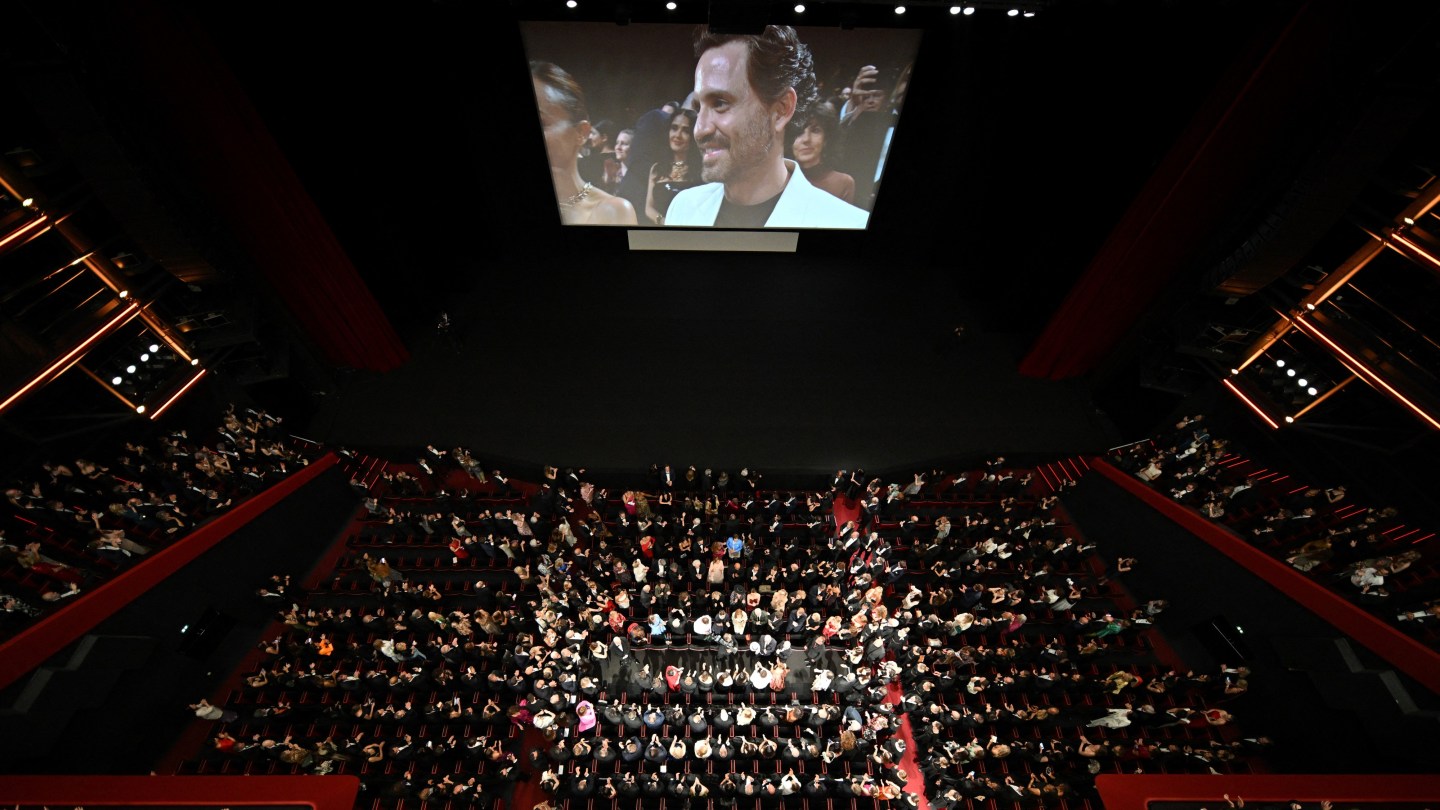
The Applause Echo
At the Cannes Film Festival, standing ovations have become a ritualistic crescendo, echoing through the Grand Théâtre Lumière. But when every film garners a prolonged applause, one must wonder: is it a genuine appreciation or a performative act? The tradition, once reserved for exceptional cinema, now seems diluted, raising questions about its true meaning.
The Ovation Inflation
Historically, a standing ovation was a rare honor, bestowed upon films that left an indelible mark. Yet, in recent years, ovations have become increasingly common, with durations stretching longer each year. This inflation of applause has led to a paradox: the more frequent the ovation, the less significant it becomes. As one critic aptly noted, “When every film receives a standing ovation, the gesture loses its meaning” .
The Audience’s Role
Audiences, once discerning in their praise, now seem to conform to the festival’s expectations. The act of standing and clapping has transformed from a spontaneous expression of admiration to a choreographed response. This shift raises concerns about the authenticity of audience reactions and the potential for herd mentality to overshadow genuine critique.
The Industry’s Influence
Film festivals, eager to maintain their prestige, may inadvertently perpetuate this cycle. By emphasizing the length of ovations and showcasing them as indicators of success, they contribute to the inflation of applause. This practice not only skews public perception but also pressures filmmakers to conform to festival norms rather than focus on artistic integrity.
A Call for Reflection
As the tradition of standing ovations continues to evolve, it’s imperative to reflect on their true significance. Are they a sincere acknowledgment of cinematic achievement, or have they become a hollow gesture, devoid of meaning? In a world where applause is often expected, perhaps it’s time to reconsider the value of silence and the power of genuine critique.





Start the New Year by Investing in Yourself – Hollywood Life
Image Credit: European Wax Center The new year is all about fresh...
Kirsten Collins2 Mins read

Where Is Liam Conejo Ramos Now? Updates on 5-Year-Old’s ICE Detainment – Hollywood Life
Image Credit: Getty Images Liam Conejo Ramos came home from preschool while...
Kirsten Collins2 Mins read

AirTalk Wireless Offers Free Wireless Service to Underserved Folks, Online & Offline – Hollywood Life
Image Credit: Pexels California may be home to Silicon Valley, but many...
Kirsten Collins3 Mins read
Who Is Harry Styles’ ‘Aperture’ About? Breakdown of the Lyrics – Hollywood Life
View gallery Image Credit: Getty Images We’ve doing doing all this late...
Kirsten Collins1 Mins read




Leave a comment