

What the Odds Don’t Say About Baseball Anymore
Between the Dodgers' machine-like momentum and the Cardinals’ late-season grit, a quiet drama is unfolding—one the sportsbooks can’t quite quantify. Who really writes the script of a summer game?
 Chris MarksAugust 6, 20252 Mins read17
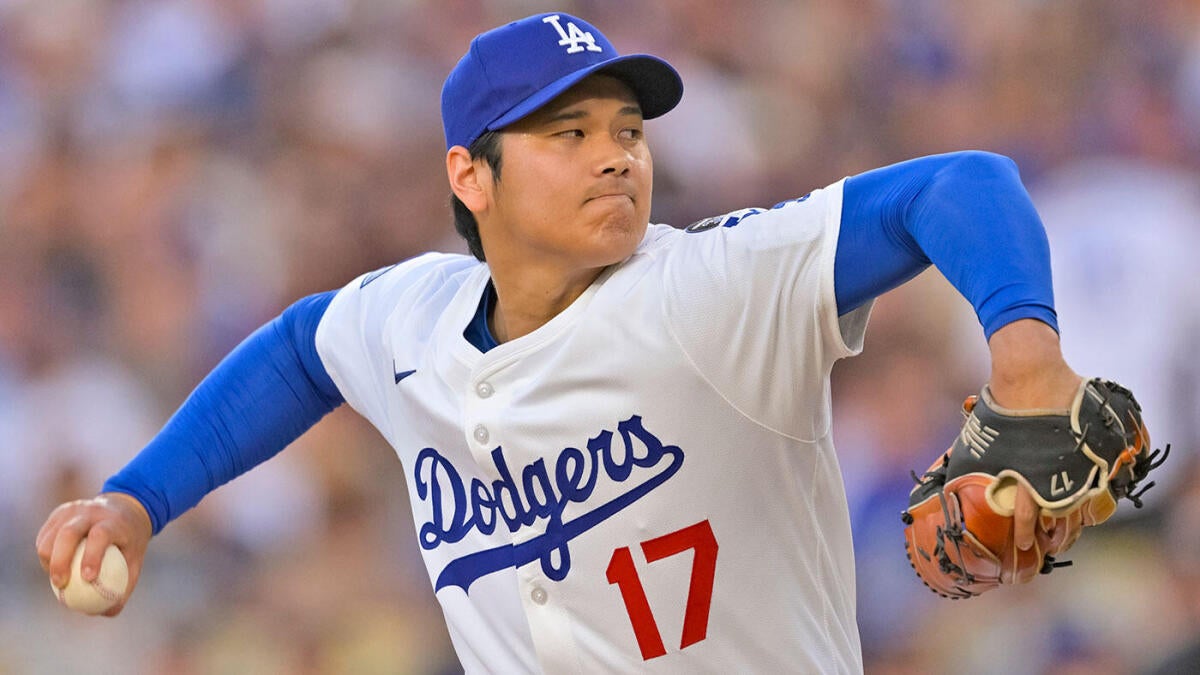
The field glints under stadium lights like a casino floor—regulated, dazzling, oddly cruel. By the time first pitch lands between the Dodgers and the Cardinals, analysts have already written the game in digits: -185, +155, 7.5 runs over/under. But this isn’t about predictions. Not really. Baseball has never been about what should happen—it’s about what shouldn’t, but somehow does.
Somewhere between algorithmic certainty and human collapse lies a very American kind of theatre. One that unfolds in innings, not acts. The Dodgers, with their payroll of princely proportions and a lineup that reads like a stock portfolio, represent inevitability. The Cardinals, limping into August like a poet in borrowed shoes, represent memory. And the betting lines? They’re just the gloss on a much older story.
The Romance of Risk
Gambling used to be baseball’s dirty secret. Now it’s practically in the box score. Every at-bat is a market. Every pitching change is a signal. We’re no longer watching for the joy of the unexpected—we’re calculating the cost of belief. On August 6, when the Dodgers and Cardinals meet again, oddsmakers will frame it as a technical dance of prop bets, odds shifts, and smart money. But beneath the digital veneer, a human question rattles: how do you price magic?
One bettor told me, “You don’t bet on stats—you bet on mood.” It’s a line that’s stayed with me, not because it’s poetic, but because it’s dangerous. Mood is elusive. Mood is why underdogs ruin parlays. Mood is why you watch.
Because despite everything the numbers predict, sometimes the man with the .217 average hits the walk-off. And when that happens, it’s not just an upset—it’s a revelation.
Beneath the Batting Averages
There’s something else at work here too—something emotional, almost literary. The Dodgers are building a dynasty, yes, but dynasties are cold. The Cardinals are clinging to narrative. And narrative, unlike dominance, needs doubt. A team like St. Louis doesn’t win because it should; it wins because the arc demands it. The long summer of baseball is not unlike a novel—it’s not the climax that matters, but the chapters that meander, confuse, linger.
And that’s the paradox of betting on baseball. The very thing that makes the game holy—its unpredictability—is what gamblers attempt to neutralize. But you can’t code a line drive that clips a glove. You can’t measure the weight of an error in August. You can only guess. You can only watch.
So what are we betting on when we bet on baseball? The odds say Dodgers. The odds say over 7.5. The odds say control. But the game—the real game—might say otherwise. Somewhere in the middle innings, when no one’s sure who’s winning, you might remember: we’re not wagering on numbers. We’re wagering on fate.
And fate, as always, prefers to keep the line moving.







Barcelona’s Fragile Pursuit: When Injuries Threaten More Than Just a Season
A silence spreads over Camp Nou that no roar can drown out—two...
Chris Marks2 Mins read
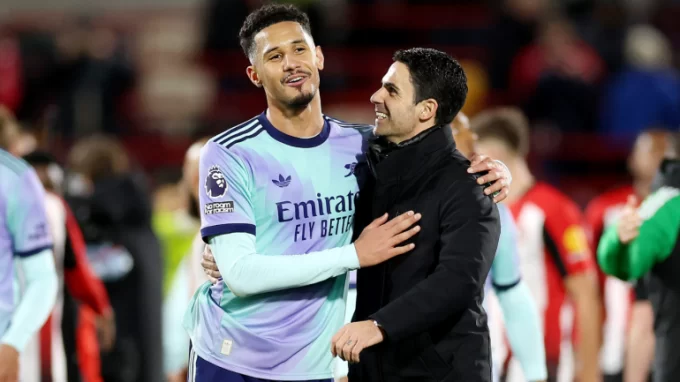
William Saliba: Arsenal’s Silent Architect or Its Greatest Gamble?
The air inside the Emirates shifts with unspoken tension—William Saliba, once a...
 Joseph Bennett2 Mins read
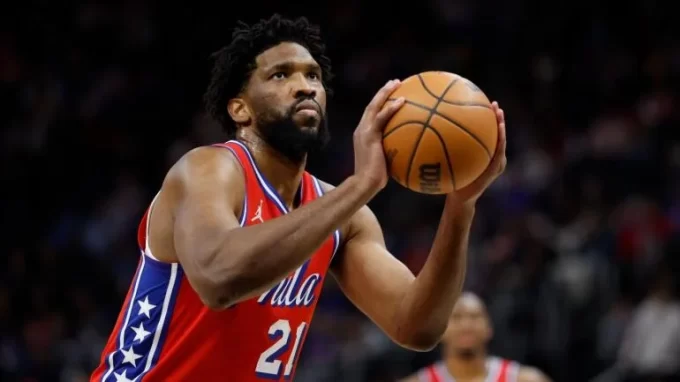
Joel Embiid’s Quiet Confidence: Is the 76ers’ Giant Ready to Rewrite His Story?
Joel Embiid is rarely one to make noise without purpose, and now,...
 Kirsten Collins1 Mins read
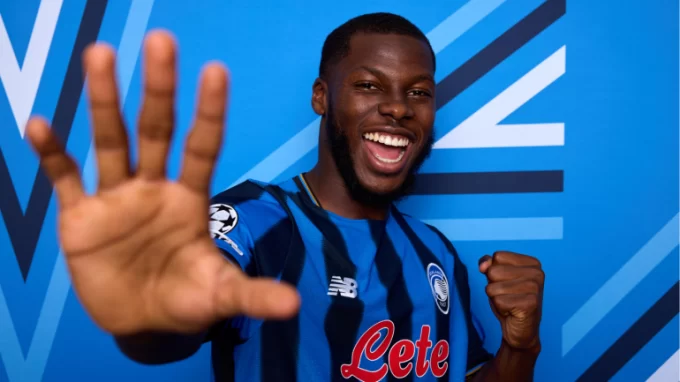
Juventus, Atalanta, and Arsenal’s Quiet Revolution: What’s Really Shaping This Week in Football?
The roar of Serie A stadiums masks a subtle shift, one that...
Kirsten Collins2 Mins read





Leave a comment