

Doechii’s Bold Moment: When Music Meets Unapologetic Truth
At the BET Awards, Doechii didn’t just perform—she confronted a legacy, calling out President Trump live on stage. Now, she reflects on the courage behind that incendiary moment and what it means for artists wielding their voices in turbulent times.
 Kirsten CollinsJuly 10, 20251 Mins read28
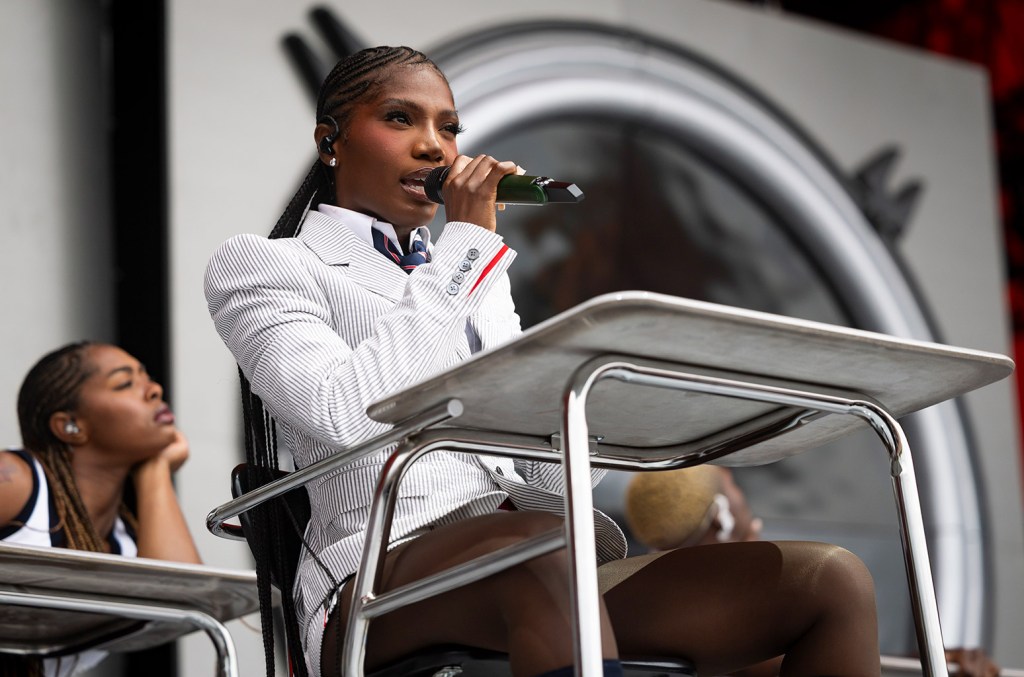
The glare of the spotlight wasn’t just on the music that night—it was on a moment that split the stage like a sharp knife through velvet. Doechii, the rising star with a voice as fierce as her convictions, did something few dare: she called out President Trump on live television, turning a performance into a statement etched in controversy.
What happens when an artist’s platform becomes a battlefield for truth? Doechii’s words weren’t just an interruption—they were an eruption, one that reverberated far beyond the glitz of the BET Awards. But what drove her to risk the polished image, to step into that volatile arena with nothing but unfiltered honesty?
The Price of Speaking Out
Doechii admits the backlash was immediate, but so was the resolve. “I knew it wasn’t just about me,” she confessed. “It was about the voices that have been silenced for too long.” In an industry that often trades in gloss and avoidance, her candidness broke the script—and challenged the crowd to confront uncomfortable truths about power, politics, and responsibility.
The question lingers: how far can an artist go before the stage becomes a cage? And who really decides the boundaries of expression when the stakes are so high?
Performance as Protest
This moment wasn’t just spectacle—it was a deliberate act of resistance, a reminder that music and activism have always been tangled. Doechii’s confrontation asks us to reconsider the role of artists today: are they entertainers, or are they the new agitators, the reluctant torchbearers of societal reckoning?
She told me, “If you don’t speak your truth, what are you really doing on that stage?” It’s a question that unsettles, daring us to look beyond the surface of celebrity and into the heart of cultural power.
Doechii’s words echo still, a whisper threading through the noise: when does art become duty? And when does silence become complicity?




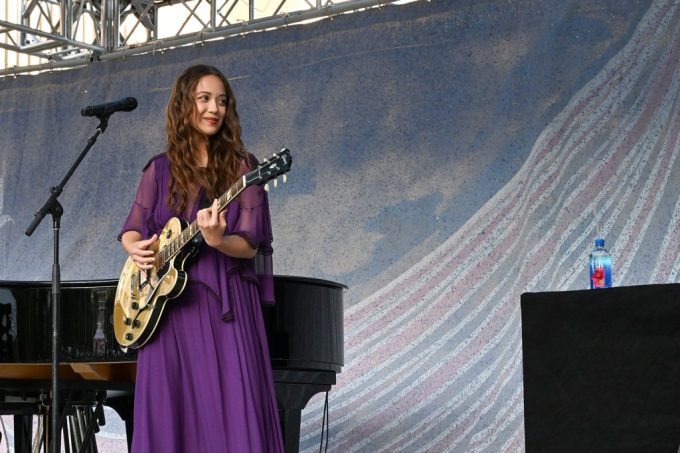
Laufey’s Opening Night Show at LA’s Crypto.com Arena: Best Moments
Laufey opened a two-night stand at Crypto.com Arena in downtown Los Angeles...
 Chris Marks6 Mins read
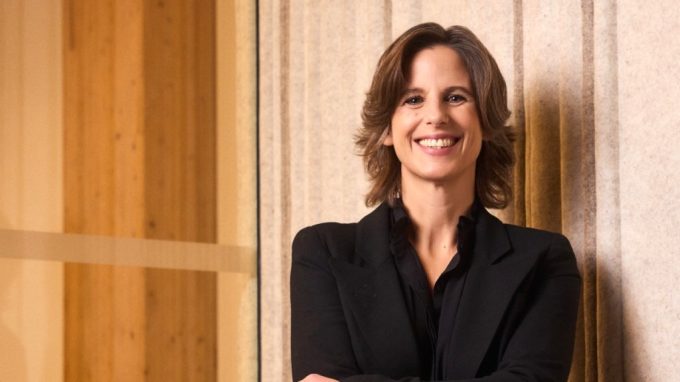
Julie Adam Is Billboard Canada Women in Music’s 2025 Exec of the Year
Julie Adam is having a milestone year — and it’s getting even...
Chris Marks4 Mins read

Spinal Tap Tribute Album with Foo Fighters,Tool for Teen Cancer America
Spinal Tap may be a fake band, but its music is very...
Chris Marks2 Mins read
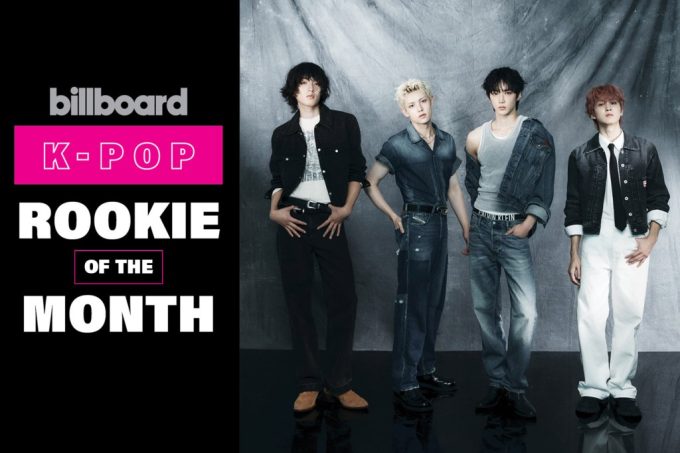
AxMxP Is K-Pop Rookie of the Month for September: Exclusive Photos
Ha Yoo Joon Image Credit: Chin Soyeon You debuted on Sept. 10....
Chris Marks2 Mins read





Leave a comment