

Who’s Filling Doechii’s Shoes? The Mystery Behind All Points East’s Bold Replacement
When Doechii stepped back from All Points East, the festival was left dangling on the edge of anticipation. Now, the replacement act is revealed—but does it really fill the void, or does it open a new, unexpected chapter?
 Chris MarksAugust 21, 20252 Mins read19

The air was thick with the electric hum of anticipation until the unthinkable happened: Doechii, one of the most talked-about acts, bowed out of All Points East. The festival, a playground for bold voices and fresh energy, suddenly felt a strange emptiness. Who could possibly step into that spotlight? The answer, now unveiled, is anything but predictable—and it demands we ask: what does this say about the shifting tides of festival culture?
There’s an uncanny weight to replacing an artist who embodies a moment in music. Doechii’s sound wasn’t just a setlist filler—it was a statement, a pulse that set the tone for what comes next. And now, as the festival organizers announced the replacement, a ripple of questions followed. Was this an act chosen to simply fill a gap, or does this pivot herald a new direction entirely?
When Replacement Becomes Reinvention
The replacement act, chosen seemingly overnight, is not just an echo of Doechii’s energy—it’s a bold challenge to the expectations of festival-goers. This shift is a reminder that music festivals are less about comfort zones and more about disruption, about testing boundaries and reshaping narratives. If Doechii’s withdrawal was a sudden gust, this new act is the fresh wind pushing the lineup into unknown territories.
A festival insider confided, “It’s not about replacing Doechii—it’s about redefining what the festival stands for.” The words linger, heavy with implication. Is this a subtle pivot toward a new cultural ethos, or simply a pragmatic fix? The answer may lie in the artist’s identity, style, and the reactions they provoke.
The Void and the Voice
Every withdrawal leaves a void. But some voids aren’t empty—they’re pregnant with possibility. Doechii’s absence invites us to reconsider what we crave in live music: raw authenticity? Cultural relevance? Or simply the thrill of discovery? The replacement, in this light, becomes more than a performer—it becomes a symbol of what’s next.
As fans debate and critics dissect, the replacement’s arrival forces a reckoning: what happens when a festival’s heartbeat skips a beat? Does the pulse falter, or does it surge forward, reinventing its rhythm? And what does this mean for Doechii’s own trajectory—is this pause a personal recalibration or a sign of deeper industry currents?
The festival stage is set, but the story is far from over. In the end, it’s not just about who plays—it’s about the spaces left between the notes, and the stories those silences tell.






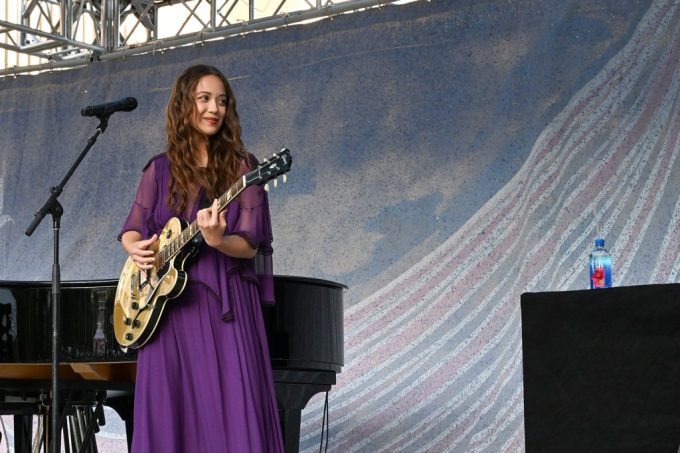
Laufey’s Opening Night Show at LA’s Crypto.com Arena: Best Moments
Laufey opened a two-night stand at Crypto.com Arena in downtown Los Angeles...
Chris Marks6 Mins read
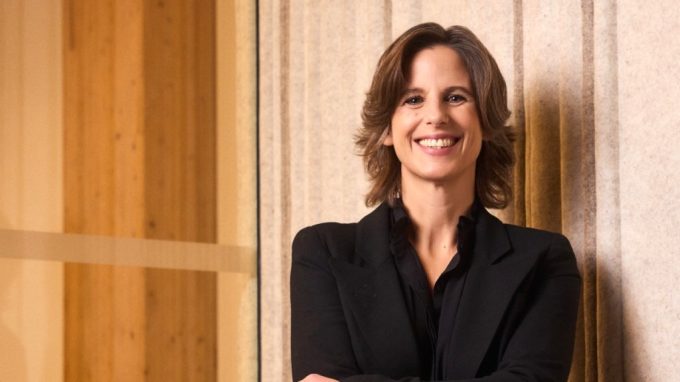
Julie Adam Is Billboard Canada Women in Music’s 2025 Exec of the Year
Julie Adam is having a milestone year — and it’s getting even...
Chris Marks4 Mins read

Spinal Tap Tribute Album with Foo Fighters,Tool for Teen Cancer America
Spinal Tap may be a fake band, but its music is very...
Chris Marks2 Mins read
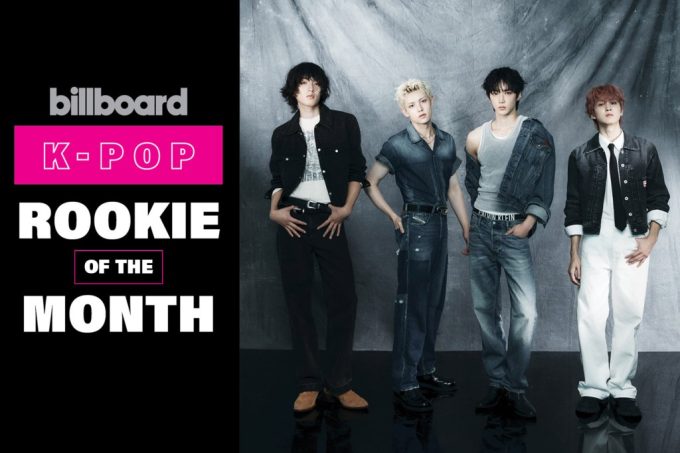
AxMxP Is K-Pop Rookie of the Month for September: Exclusive Photos
Ha Yoo Joon Image Credit: Chin Soyeon You debuted on Sept. 10....
Chris Marks2 Mins read




Leave a comment