

When Doja, Tems & J Balvin Crashed the Club World Cup — and Coldplay Stole the Show
A seismic halftime set at the FIFA Club World Cup final turned sport into stage, art into activism—and left us asking: what world are we cheering for?
 Kirsten CollinsJuly 14, 20251 Mins read13
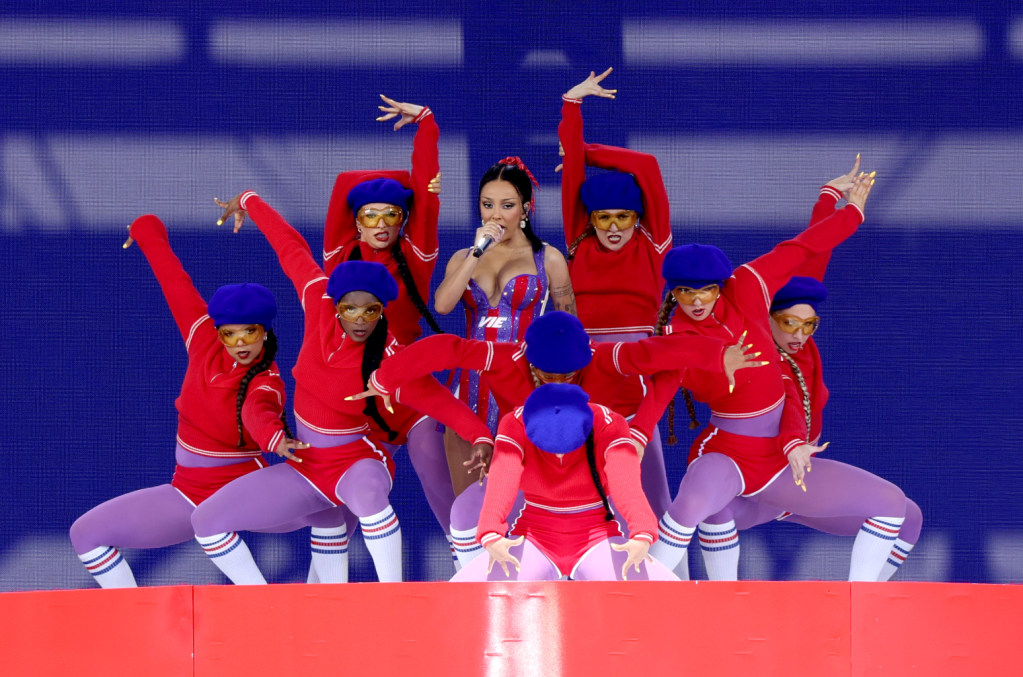
They stepped onto the MetLife Stadium stage mid-game, not as footnotes, but as culture’s claim-stakers—Doja Cat’s electric gaze, Tems’ poised intensity, J Balvin’s rhythmic roar—all curated by Chris Martin of Coldplay in a moment that felt part Super Bowl, part global manifesto.
That moment felt seismic, as if halftime had swallowed the game whole.
Halfway through, the spotlight shifted.
When Pop Became Purpose
As microphone met melody, a dollar from each ticket was pledged to the FIFA Global Citizen Education Fund—an overt fusion of pageantry and philanthropy. J Balvin said it best: “a historic moment—for Latin culture, and for every kid who dreams big.” Tems added, “Unity that music brings… to improve the lives of millions.” The weight wasn’t in the notes, but in the mission behind them.
Surprise, There It Is
Just as stadium chants simmered, Coldplay emerged—a bold pivot that stirred both cheers and critique. Their duet of “A Sky Full of Stars” with Emmanuel Kelly, a differently-abled vocalist elevated to the global stage, felt like a quiet rebellion against sameness. Emmanuel’s presence, described by Global Citizen as “a new addition,” transcended mere performance—it marked inclusion as anthem.
Some fans balked, calling it “utter woke nonsense,” accusing FIFA of turning football into carnival.
Yet others hailed it as the dawn of a new era in sports entertainment—where activism isn’t sidelined, it headlines.
The debate rages: did we come for the game, or the grander narrative?
They began alone—Doja, Tems, Balvin—but closed together. In that finale’s blur, they redefined halftime: a fusion of showbiz, identity, and impact. And you’re left wondering: will future matches echo this chorus? Or will the next surprise be something even beyond our wildest expectations—an anthem, act of justice, or political flourish?
Because halftime is no encore. It might just be where the next revolution begins, whispered beneath the stadium lights, as the crowd holds its breath—and wonders what comes next.





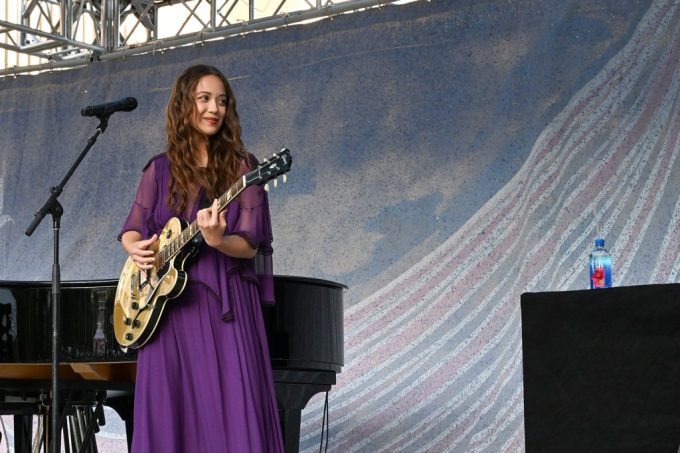
Laufey’s Opening Night Show at LA’s Crypto.com Arena: Best Moments
Laufey opened a two-night stand at Crypto.com Arena in downtown Los Angeles...
 Chris Marks6 Mins read
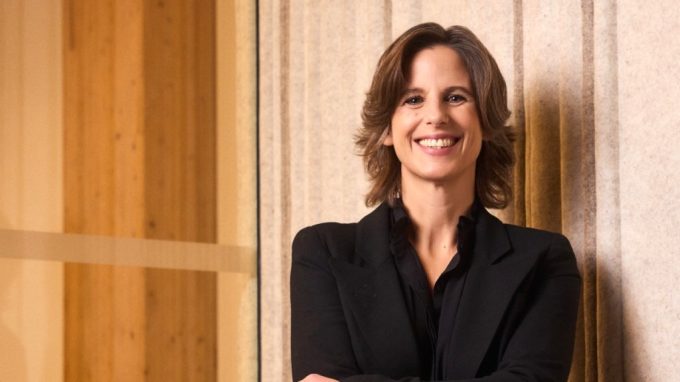
Julie Adam Is Billboard Canada Women in Music’s 2025 Exec of the Year
Julie Adam is having a milestone year — and it’s getting even...
Chris Marks4 Mins read
Spinal Tap Tribute Album with Foo Fighters,Tool for Teen Cancer America
Spinal Tap may be a fake band, but its music is very...
Chris Marks2 Mins read
AxMxP Is K-Pop Rookie of the Month for September: Exclusive Photos
Ha Yoo Joon Image Credit: Chin Soyeon You debuted on Sept. 10....
Chris Marks2 Mins read




Leave a comment