

The Unexpected Alliance: Mel Gibson and Donald Trump’s Bold Italian Film Proposal
When Mel Gibson, an unlikely emissary, becomes the bridge between Hollywood and Italy's cinematic future, the world watches. But what does this bold move really mean for both nations? A proposal, an ambassador, and an unpredictable twist in international film diplomacy.
 Joseph BennettMay 13, 20253 Mins read20
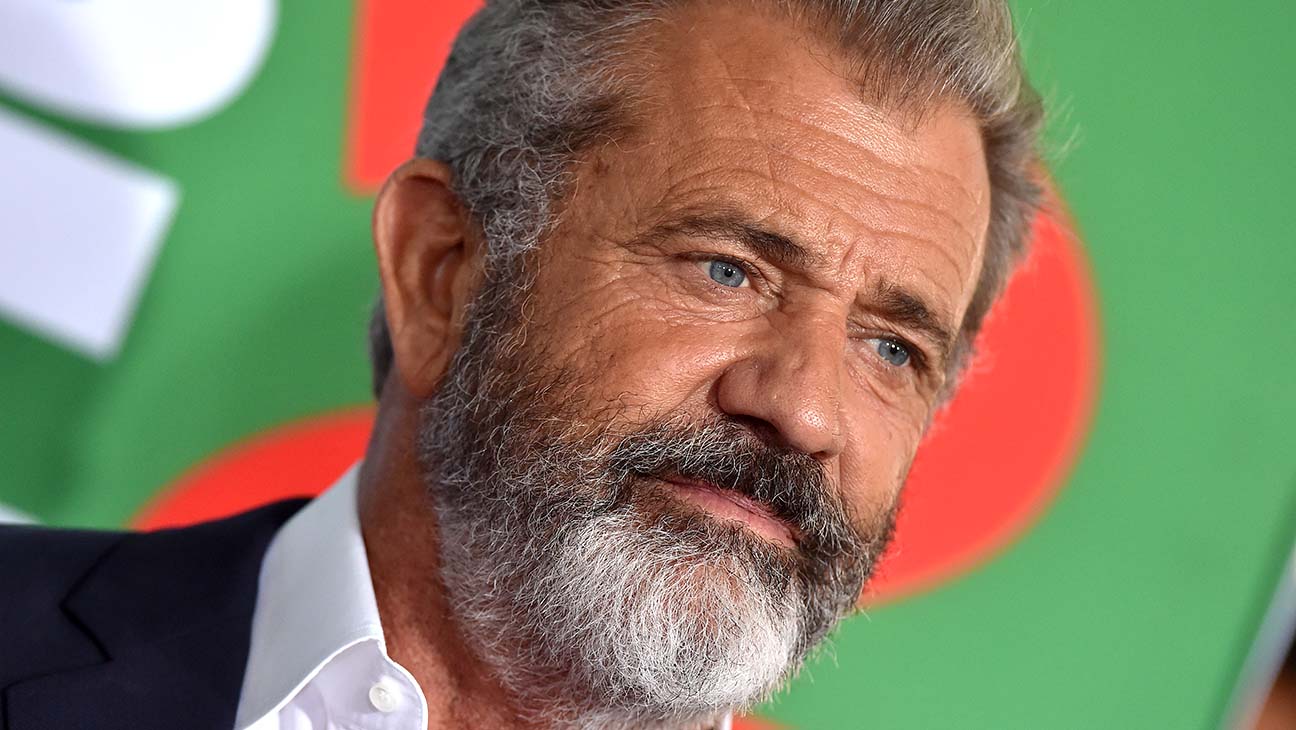
The world of cinema rarely overlaps with geopolitics, but when it does, it’s often a collision of egos, ambition, and cultural ambition. Enter Mel Gibson, the controversial Hollywood figure who has recently taken on an even more surprising role as a diplomatic envoy. Amid rumors of a growing U.S.-Italy cultural alliance, Gibson has stepped forward, ostensibly appointed as the ambassador for a proposed film treaty that promises to redefine the relationship between the two countries’ film industries.
This isn’t just any treaty. It’s a bold initiative that echoes the era when Hollywood’s stars were not just actors, but power brokers, pulling strings in the corridors of power. Gibson’s involvement—coupled with his close ties to Donald Trump, the former president who has long espoused his own brand of unconventional diplomacy—raises more questions than it answers. What could this treaty, which aims to foster greater collaboration between Italy and America’s movie industries, mean for the future of international filmmaking? And, perhaps more pressing, why is Gibson, with his storied history and controversial persona, the face of this initiative?
An Actor in a Political Spotlight
Gibson’s selection as an ambassador for this treaty seems both daring and audacious. Known for his volatile career and personal controversies, his entry into diplomacy is less a political appointment and more a reflection of Hollywood’s transformation. Once considered a pariah, Gibson has managed to reemerge, not just as a filmmaker, but now as a central figure in international relations. But does this pivot indicate a strategic attempt to rebrand, or is it a genuine move to reshape the cinematic world through the lens of political power?
The weight of his decision to take on this role can’t be ignored. As an ambassador, Gibson represents more than himself—he represents the merging of the old Hollywood power structure with a new wave of global politics. He’s no longer the lone rebel on the silver screen; he’s stepping into a world where every handshake could lead to a multi-million-dollar deal, and every word might influence the cultural direction of an entire industry.
The Trump Connection: What’s at Stake?
Then, there’s the presence of Donald Trump. His influence on global affairs remains undeniable, and though he’s no longer in office, his cultural impact lingers, especially in the realm of media and entertainment. The connection between Trump and Gibson in this proposal isn’t just incidental—it’s pivotal. Trump’s history with Hollywood is well-documented; he understands the power of the industry in ways that few others do. So when he lends his weight to this treaty, what is he really seeking? Is this about fostering goodwill with Italy, or is it a more intricate move designed to reshape global film economics?
The merger of Gibson’s cinematic stature with Trump’s political legacy suggests that this treaty could be more than just about movies. It’s an opportunity to establish new avenues for financial and political power. But the question remains: How much influence will this proposed treaty truly wield on the world stage? And, more crucially, will it mark a new chapter in the way that film is used as a diplomatic tool, or is it merely the latest chapter in a Hollywood saga of power, privilege, and scandal?
Where Does Cinema End and Politics Begin?
As the deal unfolds, one cannot help but wonder where the line between art and diplomacy truly lies. Hollywood’s historical connection with American soft power is well-known, but this specific intersection—film, politics, and international diplomacy—is uncharted territory. By enlisting Gibson, a figure both adored and vilified, the partnership invites a certain unpredictability. What will this mean for the future of Italy’s famed cinema culture? And for America’s ever-evolving relationship with global storytelling?
Ultimately, the most intriguing question lingers unanswered: is this simply a tactical move in the high-stakes world of international politics, or does it signal a deeper, more unsettling shift in how films—and the stars who make them—are positioned as global power players?
SEO Tags:
Mel Gibson, Donald Trump, Italy film treaty, film diplomacy, Hollywood and Italy, cultural exchange, international film, Mel Gibson ambassador, Trump Italy deal, Hollywood news, political influence in film, film power, global entertainment



When Are the Oscars 2026? Date of the Academy Awards – Hollywood Life
Image Credit: AFP via Getty Images The Oscars are officially on the...
 Kirsten Collins1 Mins read
Where Is Lawrence Jones on ‘Fox & Friends’? Health Update Amid Hiatus – Hollywood Life
Image Credit: Getty Images Fans of Lawrence Jones, a Fox & Friends...
Kirsten Collins1 Mins read

Who Is Lexi Minetree? 5 Things to Know About the ‘Elle’ Series Actress – Hollywood Life
View gallery Image Credit: Getty Images for Hello Sunshine Lexi Minetree plays...
Kirsten Collins2 Mins read

Release Date, Cast & Updates on ‘Elle’ – Hollywood Life
View gallery Image Credit: Courtesy of Prime Video What, like producing a...
Kirsten Collins2 Mins read



Leave a comment