

The Price of the Bet Is the Illusion of Control
DraftKings is offering $200 in bonus bets and deep Sunday Ticket discounts—but beneath the glittering promo lies a deeper story: when the casino comes home, who’s really winning?
 Joseph BennettAugust 4, 20252 Mins read18
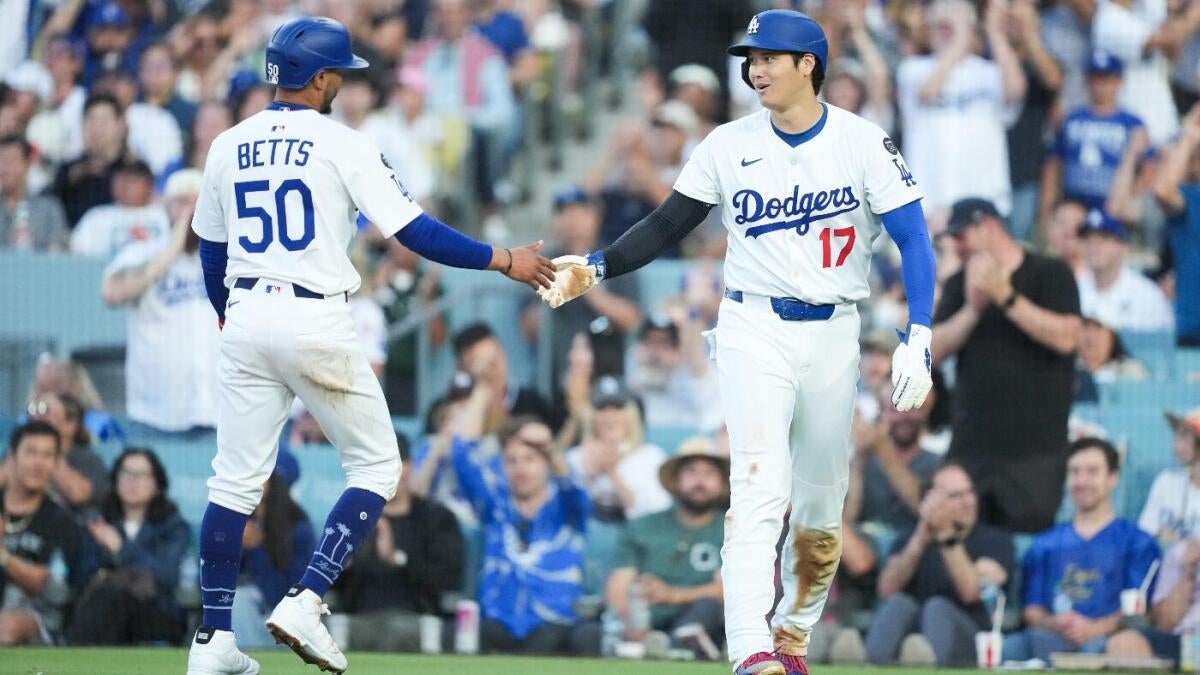
You don’t hear the spinning wheel anymore—just the tap of a screen.
With a few clicks on a Monday morning, users across the country were handed $200 in bonus bets on DraftKings, plus over $200 off NFL Sunday Ticket. The American sportsbook didn’t whisper; it shouted. It dressed itself not in neon but in familiarity—baseball caps, game-day nachos, the glow of your television humming with promise. Gambling, once a vice in dark rooms, now wears a licensed jersey and tells you you’re smart for clicking “yes.”
There’s no roulette table. No smoky pit boss. Just an algorithm, your phone, and a dopamine drip disguised as a “limited-time offer.” The question isn’t whether this is dangerous. It’s whether it’s too elegantly designed to resist.
The Sport of Selling You Your Own Hope
DraftKings is no longer content being a bookie in a suit. It’s become the lifestyle, the stadium, the game within the game. It markets fantasy, yes—but more powerfully, it markets participation. With these promotions, you’re not just watching MLB or the NFL; you’re invested, both emotionally and—quietly—financially.
“It’s a little something for the fans,” says the campaign. But whose fans? The ones with discipline, or the ones who believe the next bet will buy back last weekend’s mistake? This isn’t about love of sport. It’s about leveraging the illusion of skill against the certainty of math.
Like any good showman, the sportsbook lets you think the dice are yours. It uses urgency (“limited offer”) like a magician’s flash of silk, drawing your eye from the mechanics behind the curtain. The Sunday Ticket discount isn’t generosity—it’s bait. The $200 in bets isn’t a gift—it’s an invitation into a room where the exits are invisible and the floor is always moving.
When Leisure Becomes a Ledger
There was a time when watching the game was a form of escape. Now, it’s more like performance art wrapped in economic tension. Betting is sold as a choice, but choices aren’t free when the design is predatory. It’s the oldest trick in the playbook: make the house invisible, and the player will blame themselves for the loss.
And yet, we lean in. We always do. Because the modern gambler is no longer the outlier—he’s the target market. And the more accessible the bet, the harder it becomes to tell where fandom ends and finance begins.
So when you click “claim offer,” it might feel like winning. Like beating the system. But maybe, just maybe, the system wanted you to win that moment—to pull you one click closer to losing yourself.
You used to bet on your team.
Now, you’re the product.






Barcelona’s Fragile Pursuit: When Injuries Threaten More Than Just a Season
A silence spreads over Camp Nou that no roar can drown out—two...
 Chris Marks2 Mins read

William Saliba: Arsenal’s Silent Architect or Its Greatest Gamble?
The air inside the Emirates shifts with unspoken tension—William Saliba, once a...
Joseph Bennett2 Mins read
Joel Embiid’s Quiet Confidence: Is the 76ers’ Giant Ready to Rewrite His Story?
Joel Embiid is rarely one to make noise without purpose, and now,...
 Kirsten Collins1 Mins read
Juventus, Atalanta, and Arsenal’s Quiet Revolution: What’s Really Shaping This Week in Football?
The roar of Serie A stadiums masks a subtle shift, one that...
Kirsten Collins2 Mins read





Leave a comment