

Pinch‑Me Moments: When SZA’s Song Became an Ode—and Drew Barrymore’s Return Made It Legendary
Eight years after SZA immortalized Drew Barrymore in song, the actress shares a longtime‑coming throwback that reframes not just fandom, but the evolution of inspiration. What happens when admiration becomes legacy?
 Kirsten CollinsAugust 22, 20251 Mins read20
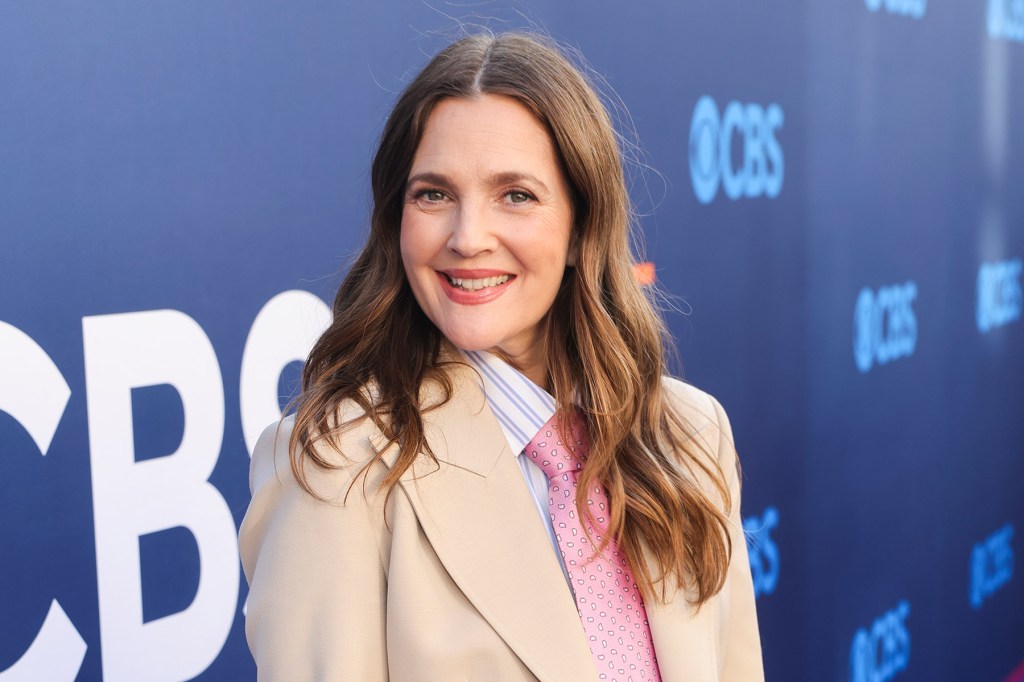
She posted a simple selfie—coats on, smiles soft, streets behind—and time folded in on itself.
Drew Barrymore’s recent Instagram throwback, captioned “Throwback to this ‘pinch me’ moment,” reopened a chapter that began in 2017, when SZA released a song titled “Drew Barrymore.” That track didn’t merely borrow a name—it crystallized a longing for belonging, writ in melody. The photo now feels like the epilogue to a story that didn’t know it was writing itself.
Admiration is rarely this cinematic—and when framed this way, it feels too real to simply watch.
When Muse and Message Merge
Here they are, young artist and veteran icon, sharing a moment on the set of a music video that has since become mythic. Barrymore wrote of SZA’s tribute: “I still can’t believe you wrote such a beautiful song and named it my name! I’m the luckiest girl in the world!” It’s rare when homage becomes an offering—and rarer still when the muse returns it.
That song, once a pulse in Ctrl, has evolved into a testament to intergenerational courage.
The Reciprocity of Inspiration
SZA once told Barrymore: “It was inspired by you. It wasn’t just titled after you.” The energy of Barrymore’s presence, authentic and unfiltered, shaped SZA’s voice—and struck listeners too. “You gave me permission to be myself,” she said. A fleeting cameo in the video, a name in a lyric—these became beacons for fans who saw themselves in both women.
Admiration, when reciprocated, can transform narrative into inheritance.
When the filters fade and the photo dims, we’re left with something luminous: the reminder that inspiration can be active, embodied, mutual. That a name can cross mediums—song, selfie—and become a signature of resilience. The moment has slipped off the set and into memory. So what happens when inspiration becomes art—and keeps coming back to life?






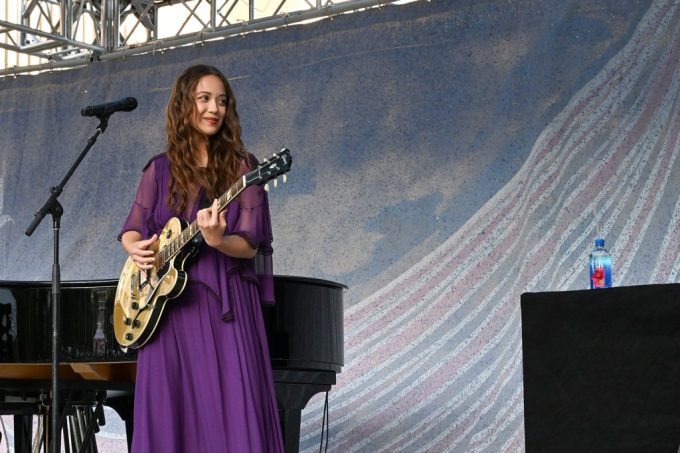
Laufey’s Opening Night Show at LA’s Crypto.com Arena: Best Moments
Laufey opened a two-night stand at Crypto.com Arena in downtown Los Angeles...
 Chris Marks6 Mins read
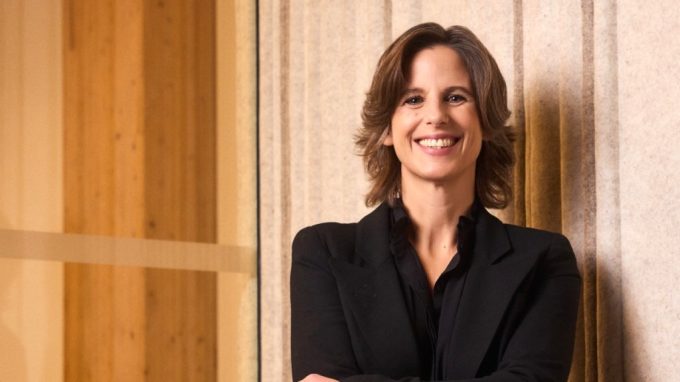
Julie Adam Is Billboard Canada Women in Music’s 2025 Exec of the Year
Julie Adam is having a milestone year — and it’s getting even...
Chris Marks4 Mins read
Spinal Tap Tribute Album with Foo Fighters,Tool for Teen Cancer America
Spinal Tap may be a fake band, but its music is very...
Chris Marks2 Mins read
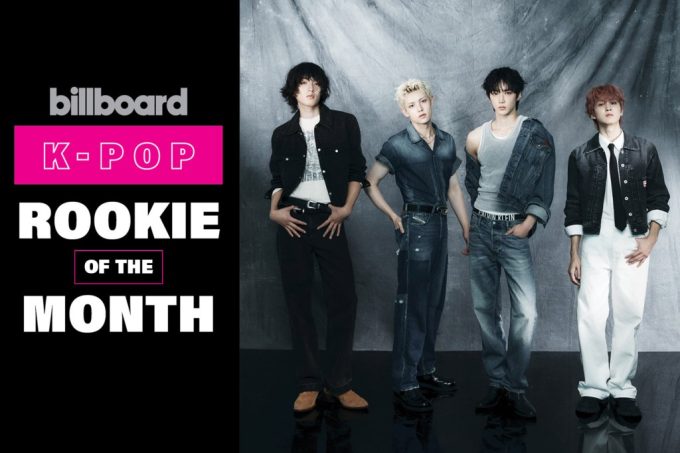
AxMxP Is K-Pop Rookie of the Month for September: Exclusive Photos
Ha Yoo Joon Image Credit: Chin Soyeon You debuted on Sept. 10....
Chris Marks2 Mins read





Leave a comment