

The Slim Shot That Reaches the Liver
Wegovy, the weight-loss darling of red carpets and headlines, is now being hailed as a treatment for fatty liver disease—but who exactly is this drug saving, and who gets left behind?
 Kirsten CollinsApril 30, 20252 Mins read41
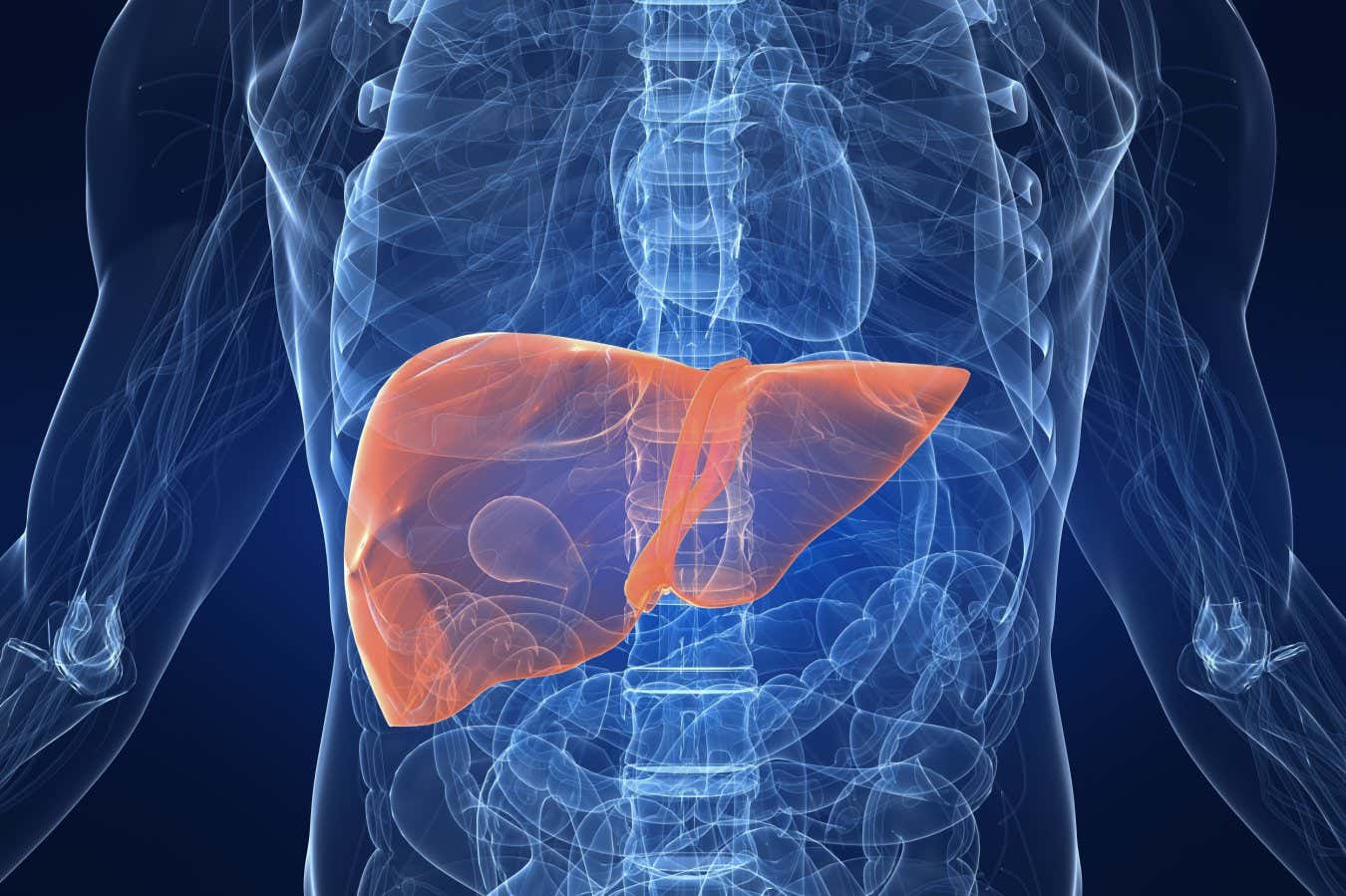
Fatty liver disease can lead to cirrhosis and cancer
3dMediSphere/Shutterstock
There’s always a second act in American medicine—usually dressed better, priced higher, and injected deeper. Wegovy, the once-modest anti-diabetic repackaged as the injectable darling of celebrity weight loss, has slipped into its next role: a potential treatment for fatty liver disease. And like any reinvention worthy of headlines, it comes with sparkle, doubt, and a shadow no one wants to name.
The idea that one sleek shot could tame both belly fat and internal organ inflammation feels almost mythic. Yet here we are: a study suggests semaglutide, the drug behind Wegovy, may help combat nonalcoholic steatohepatitis (NASH), a disease historically starved of treatment and attention. But ask yourself—how did a condition once ignored by mainstream medicine suddenly become chic enough to treat?
From Red Carpets to Clinical Charts
The answer, perhaps, lies in marketing—not medicine. Obesity, long ridiculed and pathologized, has been given a new couture coat in the form of GLP-1 drugs. The same people who shamed weight now revere weight loss. “It’s no longer about willpower—it’s about injections,” a physician quietly told me, half with awe, half with fatigue. Wegovy isn’t just a medication anymore; it’s a lifestyle.
That lifestyle now claims to save the liver, too. Studies are showing that semaglutide not only trims waistlines but reduces inflammation and scarring in the liver. But the pivot from vanity to virtue raises a sharper question: are we solving real problems, or are we just repackaging old biases in medically acceptable form?
Because if fatty liver disease had a different demographic—one less intertwined with obesity, poverty, and food insecurity—would we have waited this long to care?
The Silent Organ, the Loud Prescription
There’s something eerily symbolic in the liver finally getting attention only when it shares a drug with a sexier condition. NASH is the kind of disease that doesn’t scream. It creeps. And for years, it was the ugly stepchild of metabolic illness—underfunded, underdiagnosed, and overshadowed by more photogenic crises.
Now, Wegovy wears its new badge with elegance. A cure for the silent killer. But behind that elegance is a system addicted to narratives that sell: beauty, redemption, transformation. Does the liver get saved because it deserves to be, or because it happens to sit downstream from a cosmetic miracle?
There’s beauty in the science—yes. But there’s also a disturbing symmetry between disease and desirability. And it leaves us wondering: what else are we ignoring, simply because it doesn’t sell a slimmer silhouette?
—
Some drugs cure, some transform. Wegovy seems to do both—yet neither fully. It touches organs and industries alike. The question now isn’t just what it heals, but what it reveals. Or worse—what it distracts us from.
- celebrity weight loss drugs
- GLP-1 for liver disease
- liver health breakthrough
- medical ethics weight loss
- NAFLD treatment options
- obesity medication controversy
- semaglutide liver treatment
- semaglutide new research
- Wegovy fatty liver disease
- Wegovy medical uses
- weight loss drug liver benefits
- weight stigma and medicine





The Man Who Bled for Millions
He saved over 2.5 million babies, but no one ever recognized him...
Kirsten Collins2 Mins read
The Silence Before the Sneeze
A dead bird, limp on the edge of a sidewalk in Guangdong,...
Kirsten Collins2 Mins read

The Fetishization of Fear: RFK Jr. and the Vaccine Fetuses Lie
It begins, as these things always do, with a whisper dressed as...
Kirsten Collins2 Mins read
The Lie That Keeps Mutating
The seduction of scandal is ancient, but its latest host is disturbingly...
Kirsten Collins2 Mins read





Leave a comment