

Did Tua Really Collapse—or Merely Disappear Under Pressure?
A savage spotlight—Xavien Howard hints Tua Tagovailoa didn’t just fail on the field; he unraveled. But what really happened at the Colts game?
 Chris MarksSeptember 8, 20251 Mins read19
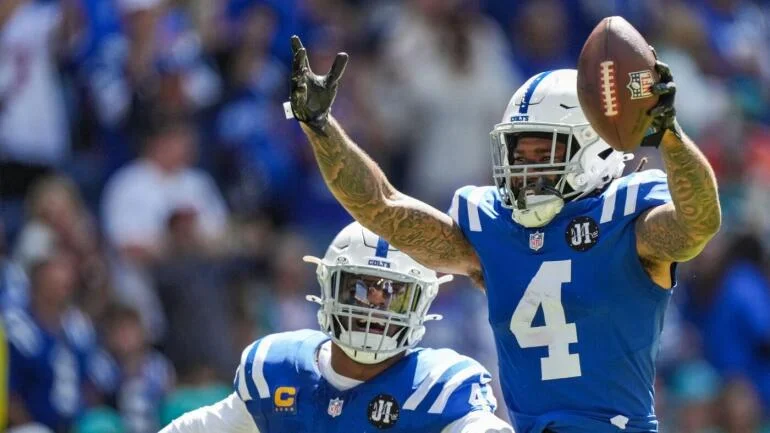
He froze mid‑throw, the stadium lights almost mocking him—Tua didn’t so much falter as drop below the surface.
Miami’s opener didn’t just spiral; it gored through illusions of composure. Xavien Howard, once a Dolphin, watched it happen from afar, whispering after the game that Tua “went into panic mode during [the] Colts blowout” . Panic. That isn’t a term you toss around lightly. It feels like betrayal, a flicker that asks: Has the façade cracked?
And yet, in the post‑game hush, Tua didn’t plead desperation—he slid into denial. “I wouldn’t say I am pressing… I thought that was a wild comment,” he said, dismissing the notion that his errors “come in bunches” . Wild. Crazy. Yet the stat sheet told you otherwise: two interceptions, a fumble, the offense silent until late fourth quarter.
The optics were brutal. A sideline meltdown from Tyreek Hill—arms flailing, fury unfiltered—mirrored the offense’s disarray. And behind closed doors, were voices trembling? Or West Coast calm colliding with Midwest carnage?
And Then the Mirrors Cracked
Something happens in blowouts—it’s not just the scoreboard that blinks red. It’s identity, broken. Tua’s own reflection—the polished, precise orchestrator—was replaced by something less familiar. Dolphins coach Mike McDaniel admitted Miami was “dealt some strong humility,” but humility doesn’t name itself; it snarls.
Tua, deflecting the notion of pressing, leaned on the banal—“part of the game”—yet fans poured gasoline: memes mocking the INTs, tweets ridiculing the rookie mistakes. At what point does humility turn into historical reckoning?
What lingers is less a conclusion than a tremor: a defensive back quoting “panic mode,” a quarterback shrugging in defiance, a locker room dissolving in fragments of blame and unspoken fear. We circle the edges of redemption, but the wound is fresh. Did he panic… or does panic define him now?
There is no clean ending—only the field stretched wide beneath cold stadium lights, waiting for the next chapter to unfold in silence.





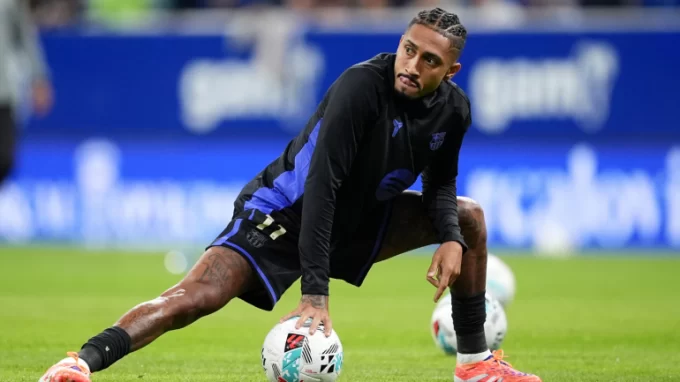
Barcelona’s Fragile Pursuit: When Injuries Threaten More Than Just a Season
A silence spreads over Camp Nou that no roar can drown out—two...
Chris Marks2 Mins read
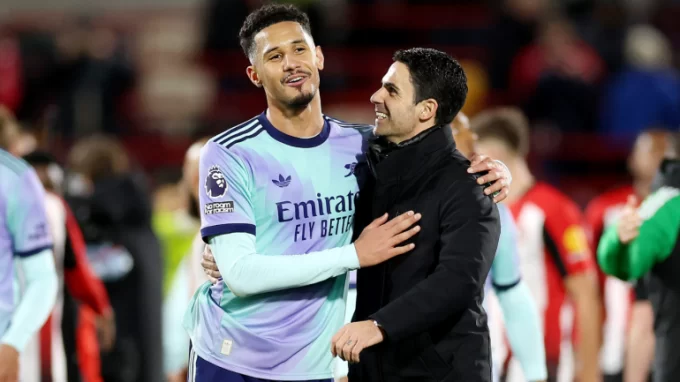
William Saliba: Arsenal’s Silent Architect or Its Greatest Gamble?
The air inside the Emirates shifts with unspoken tension—William Saliba, once a...
 Joseph Bennett2 Mins read
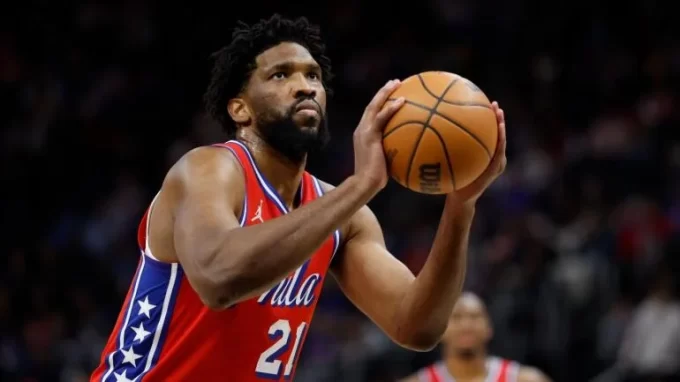
Joel Embiid’s Quiet Confidence: Is the 76ers’ Giant Ready to Rewrite His Story?
Joel Embiid is rarely one to make noise without purpose, and now,...
 Kirsten Collins1 Mins read
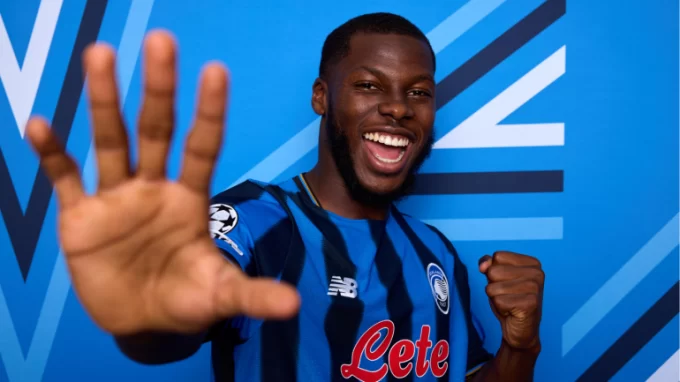
Juventus, Atalanta, and Arsenal’s Quiet Revolution: What’s Really Shaping This Week in Football?
The roar of Serie A stadiums masks a subtle shift, one that...
Kirsten Collins2 Mins read


Leave a comment