

Not One, Not Two… But a Legacy in Limbo
Dwyane Wade is finally saying what few dared to admit: the Miami Heat’s dynasty began with a prophecy that cursed more than it inspired. What happens when the myth overshadows the truth?
 Joseph BennettMay 23, 20252 Mins read31
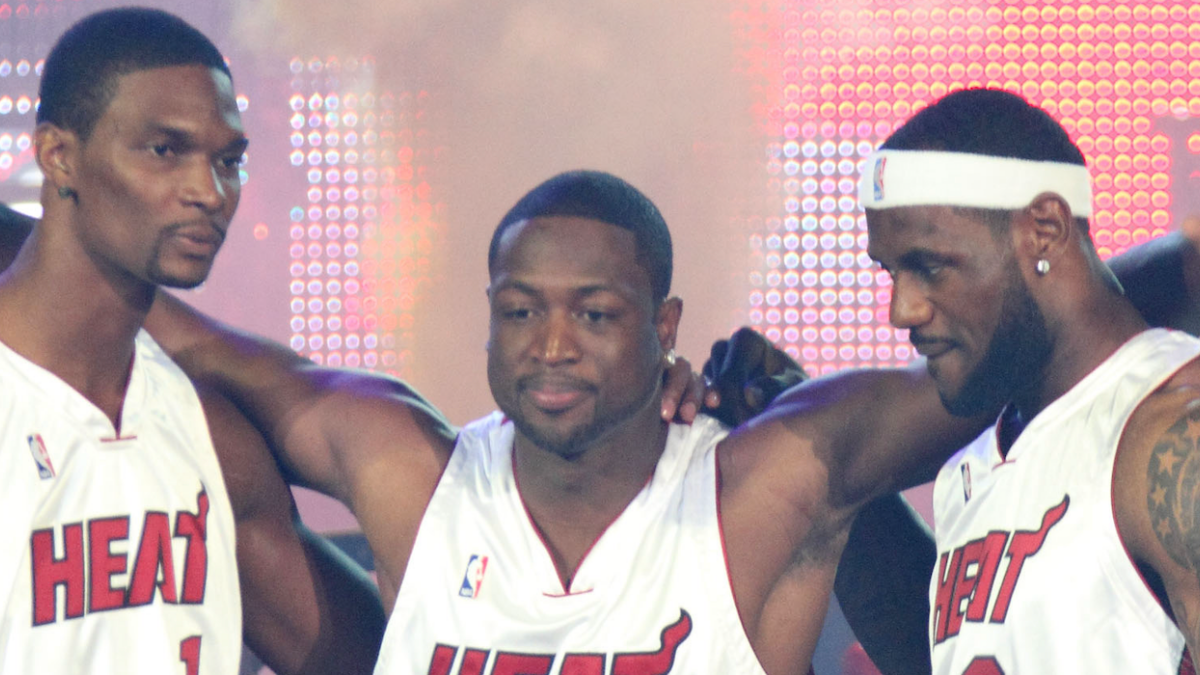
The lights in American Airlines Arena hadn’t even cooled from the spectacle, yet a shadow had already been cast. There they stood—LeBron James, Chris Bosh, and Dwyane Wade—shoulders squared, smiles hard as armor, before a crowd whipped into hysteria. Then came the words. “Not one, not two, not three…” LeBron counted off rings like they were inevitable. And maybe, in that moment, they were. But what no one foresaw was that the echo would last longer than the glory.
The Miami Heat’s Big Three were built not just on skill but on spectacle. And that spectacle, as Dwyane Wade now admits, carried a weight even rings couldn’t relieve. “It became a monster,” he says. “A moment we never really shook off.” The promise set a tone—unapologetic, hungry, performative. Yet for Wade, the bravado now feels like a tattoo from another life, etched in the wrong ink.
Prophecies That Punch Back
The Heat delivered two championships. But the number mattered less than the noise. Each title was met not with celebration but with skepticism—only two? The bar had been levitated so high, anything beneath it looked like failure. And while the basketball was masterful, the myth was louder. The team that was supposed to redefine dominance instead became a study in how narrative devours nuance.
What’s more damning: that they didn’t win more, or that they told us they would? Wade’s confession doesn’t read like remorse—it reads like clarity. As if he’s finally stepping out from behind the curtain of a Vegas illusion that never truly disappeared. There’s poetry in that vulnerability, and a bit of tragedy too.
What Happens After the Fireworks?
In the aftermath, LeBron returned to Cleveland. Bosh was sidelined by health. Wade drifted, first to Chicago, then Cleveland, before a final act back in Miami. None of them would ever stand on a stage again making promises with fingers raised like emperors. That version of basketball—of culture—ended the moment it began.
But the ghost of that proclamation still lingers. On highlight reels. In sports debates. And in Wade’s voice, quieter now but sharper. “If I could go back, I would’ve stopped it.” Regret doesn’t erase the past. But it does reveal what mattered more than rings—the perception, the pressure, the permanence of a few flashy words.
So now we ask: how many championships does it take to justify a spectacle? And is greatness measured by what you win—or what you learn to regret?
The answer might be hiding somewhere in the silence after “not seven…”—in that final number that never came.





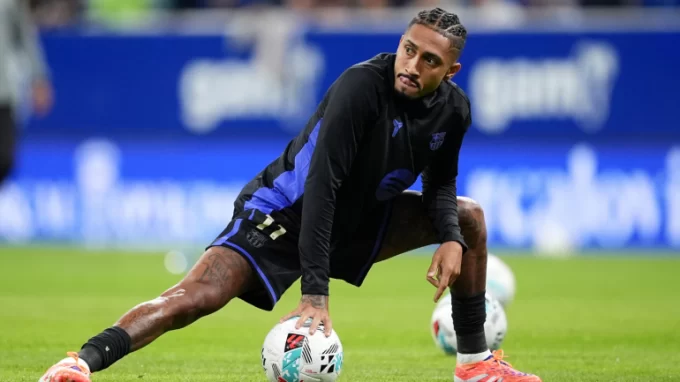
Barcelona’s Fragile Pursuit: When Injuries Threaten More Than Just a Season
A silence spreads over Camp Nou that no roar can drown out—two...
 Chris Marks2 Mins read
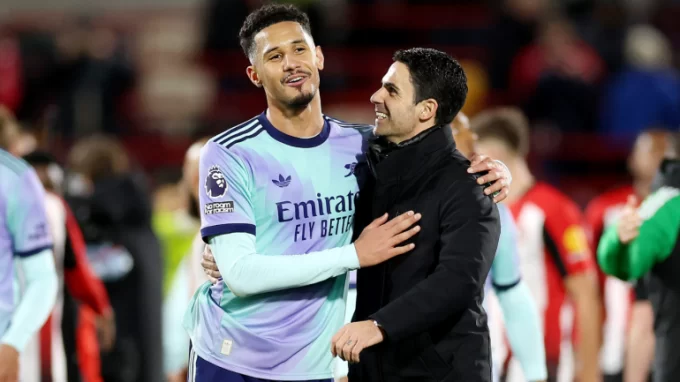
William Saliba: Arsenal’s Silent Architect or Its Greatest Gamble?
The air inside the Emirates shifts with unspoken tension—William Saliba, once a...
Joseph Bennett2 Mins read
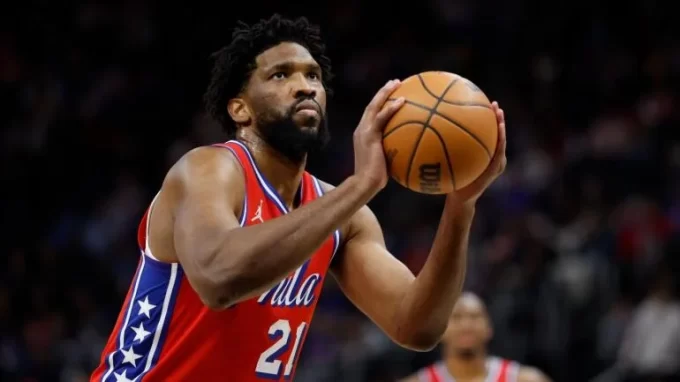
Joel Embiid’s Quiet Confidence: Is the 76ers’ Giant Ready to Rewrite His Story?
Joel Embiid is rarely one to make noise without purpose, and now,...
 Kirsten Collins1 Mins read
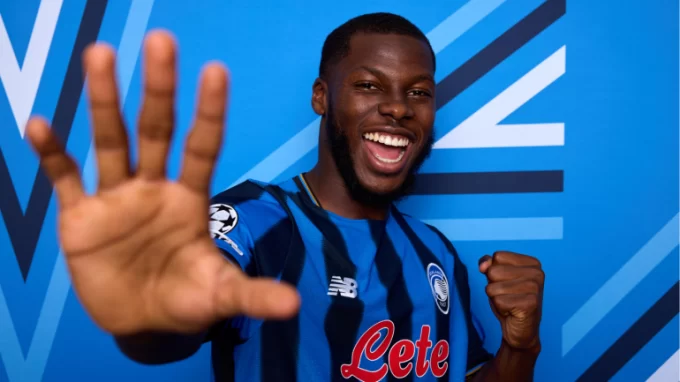
Juventus, Atalanta, and Arsenal’s Quiet Revolution: What’s Really Shaping This Week in Football?
The roar of Serie A stadiums masks a subtle shift, one that...
Kirsten Collins2 Mins read





Leave a comment