

The High-Stakes Hustle Behind the Jalen Brown Deal
When the Eagles’ brass scrambled to secure Jalen Brown’s deal post-trade, it revealed a rare glimpse into the tense, behind-the-scenes chess game that defines NFL front offices—and the fine line between triumph and turmoil.
 Kirsten CollinsAugust 15, 20252 Mins read14
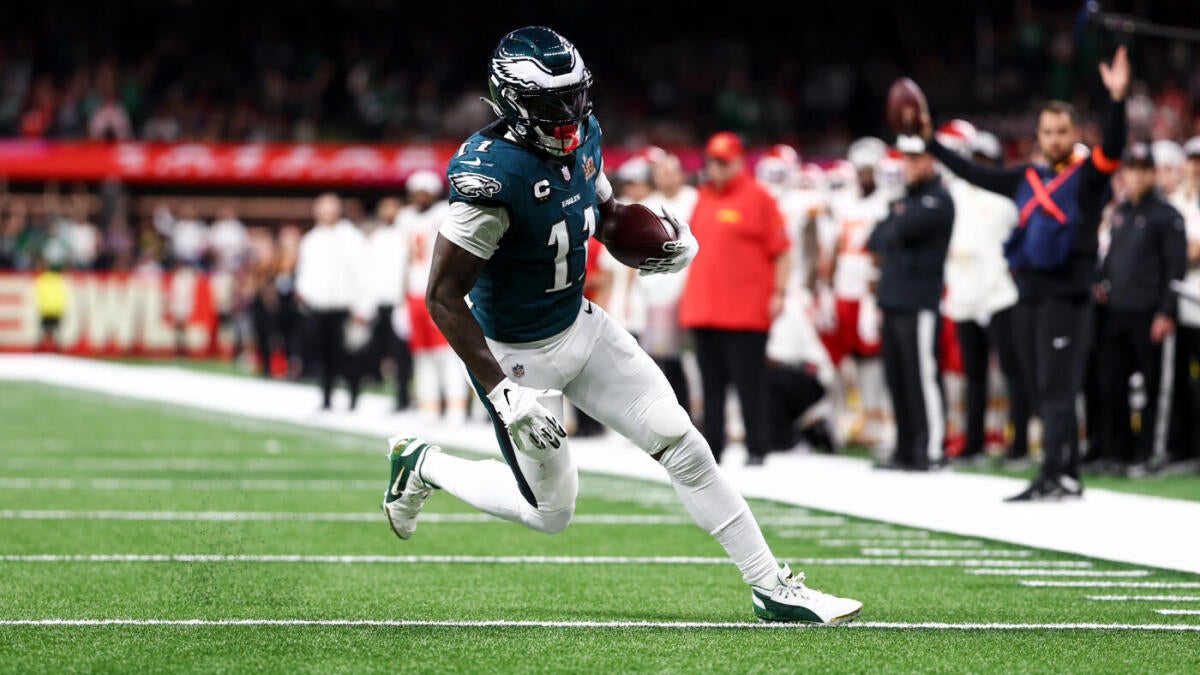
The clock was ticking, the phone lines burning, and Howie Roseman’s phone felt like a lifeline stretched across a wire. The Jalen Brown trade wasn’t just another transaction; it was a pulse-check on power, patience, and precision. Behind the headlines lies a tension rarely aired—an intricate dance of demands and deadlines that can unravel even the most calculated plans.
A trade in the NFL is never a simple handoff. It’s a high-wire act where every move echoes far beyond the locker room, where the stakes shift like sand beneath the cleats. Roseman’s recent confession to the scramble for Brown’s contract isn’t just a detail—it’s a raw glimpse into the turbulent anatomy of an NFL deal.
Negotiation: The Art of Controlled Chaos
Roseman admits, “We were at that point where every second mattered.” Yet, what does “scramble” really mean when it comes from a man who’s mastered the orchestration of one of the NFL’s most formidable front offices? This wasn’t panic—it was calculated urgency, the kind that reveals how fragile these deals are beneath their polished surface.
The Eagles’ pursuit of Brown transcends football; it’s about protecting an asset that represents future glory and present potential. But the urgency raises a silent question: how much of a star’s fate is truly in their hands, and how much is subject to the shifting whims of negotiation tables?
The Invisible Currency of Trust and Timing
Contracts are more than numbers on a page—they are delicate promises, fragile allegiances wrapped in legalese. The race to finalize Brown’s deal was not just a sprint but a test of trust, timing, and temperament. When Roseman reveals the behind-the-scenes urgency, it hints at the invisible pressures that shape a franchise’s destiny long before kickoff.
What remains unanswered is the quiet tension between player and management—how many deals are lost to a missed beat, how many seasons hinge on a moment’s hesitation? The scramble is not merely transactional; it is the shadow war where reputations are built or broken, quietly shaping the game itself.
Roseman’s candidness peels back the curtain on a world where the real game is played with whispers, wills, and wagers. The Eagles’ gamble on Brown is more than a trade—it’s a narrative of ambition, risk, and the relentless pursuit of legacy.
As the dust settles, one wonders: what stories remain untold in these fleeting moments of frenzy? And which deals, like echoes, fade into the silence of what could have been?





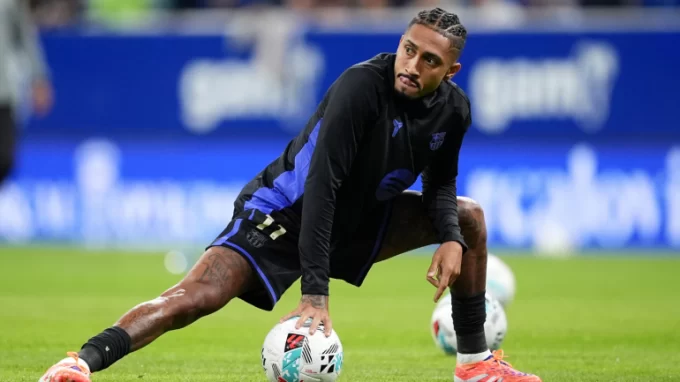
Barcelona’s Fragile Pursuit: When Injuries Threaten More Than Just a Season
A silence spreads over Camp Nou that no roar can drown out—two...
 Chris Marks2 Mins read
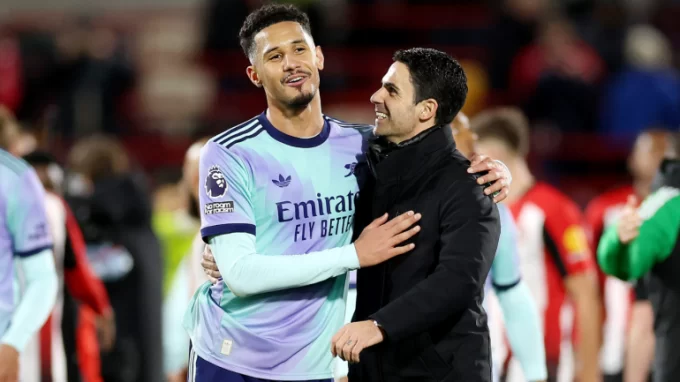
William Saliba: Arsenal’s Silent Architect or Its Greatest Gamble?
The air inside the Emirates shifts with unspoken tension—William Saliba, once a...
 Joseph Bennett2 Mins read
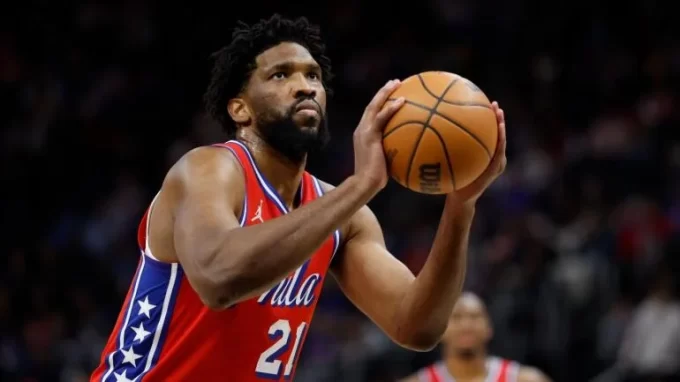
Joel Embiid’s Quiet Confidence: Is the 76ers’ Giant Ready to Rewrite His Story?
Joel Embiid is rarely one to make noise without purpose, and now,...
Kirsten Collins1 Mins read
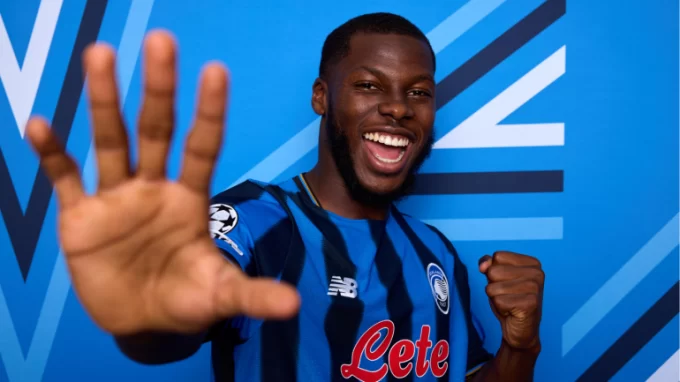
Juventus, Atalanta, and Arsenal’s Quiet Revolution: What’s Really Shaping This Week in Football?
The roar of Serie A stadiums masks a subtle shift, one that...
Kirsten Collins2 Mins read





Leave a comment