

Taylor Swift’s “Applause Cheat Code”: What Are Ed Sheeran and Kylie Kelce Really Saying?
When Ed Sheeran and NFL star Kylie Kelce dubbed Taylor Swift’s applause the “cheat code,” they didn’t just praise her—they exposed a secret weapon. But what does that mean for the myth of authentic stardom?
 Chris MarksJuly 10, 20252 Mins read13
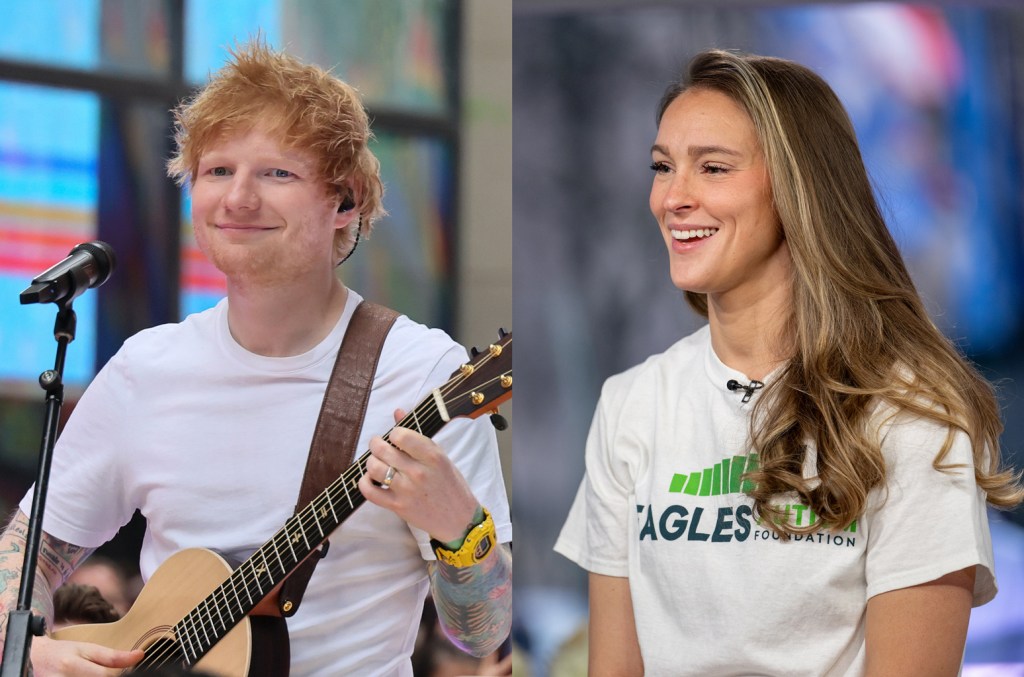
There is applause—and then there is Taylor Swift’s applause. It’s been called a “cheat code” by voices you wouldn’t expect: Ed Sheeran, the melodic architect behind some of pop’s biggest anthems, and Kylie Kelce, a football star more accustomed to stadium roars than concert cheers. Their shared fascination with Swift’s unique power reveals a truth too tantalizing to ignore. Is applause the new currency of celebrity? Or is Taylor wielding it like a master key to unlock more than just fan devotion?
We often speak of authenticity as the gold standard in music, yet here is a moment where applause itself—usually a byproduct of performance—becomes the centerpiece, a secret weapon in the art of fame. Sheeran, without missing a beat, confesses it’s “the thing that makes everything click.” Kelce’s nod adds an unexpected, almost surreal dimension: an athlete recognizing the musical alchemy of applause as a “cheat code.” What does that say about the alchemy behind Swift’s iconic status?
The Applause Paradox
Applause is ephemeral. It’s raw, uncontrollable, a spontaneous communion between artist and audience. Yet Swift’s applause is framed not as reaction but as a strategic force—a cheat code in a game we thought we understood. This subtle distinction unsettles the narrative that talent alone propels stars forward. Could it be that the art of applause management, of orchestrating crowd energy, is Swift’s invisible signature?
And what of the idea that applause can be “hacked”? Does this reduce artistry to a formula, or elevate it into something more intricate? When Sheeran says, “It’s like she’s got the blueprint,” one wonders if the blueprint is musical, psychological, or something entirely different. Swift’s reign, then, may owe as much to her control over spectacle as to her songwriting genius.
Between the Lines of Fame
Kylie Kelce’s presence in this conversation—an outsider to music’s inner sanctum—forces us to reconsider the spectacle of celebrity itself. When a sports icon identifies applause as a form of currency, it blurs lines between performance fields. Is Taylor Swift not just a musician but a cultural phenomenon rewriting how audiences engage? Or is this applause simply a mirror reflecting our hunger for connection in an increasingly mediated world?
Their comments invite us to peer behind the curtain. What else is choreographed? What’s genuine, and what is carefully crafted? When applause becomes a cheat code, the game changes—inviting us to ask, not just how stars shine, but what powers fuel their glow.
The applause continues—louder, longer, more fervent—but now it carries a new weight. Is it admiration, strategy, or something more elusive? Taylor Swift’s applause isn’t just an echo; it’s a question whispered into the roar, challenging us to listen closer.





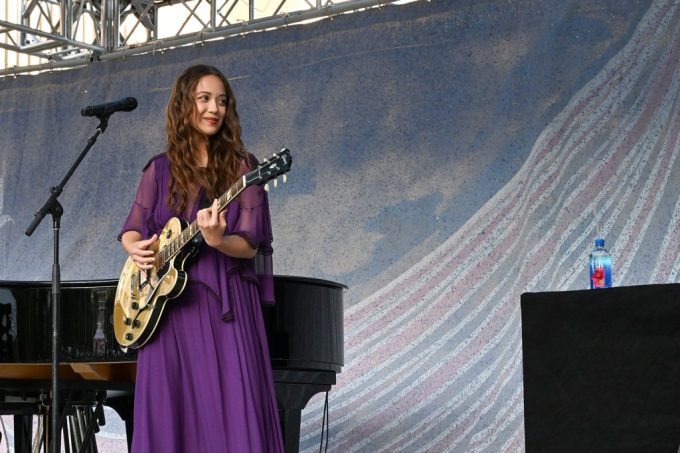
Laufey’s Opening Night Show at LA’s Crypto.com Arena: Best Moments
Laufey opened a two-night stand at Crypto.com Arena in downtown Los Angeles...
Chris Marks6 Mins read

Julie Adam Is Billboard Canada Women in Music’s 2025 Exec of the Year
Julie Adam is having a milestone year — and it’s getting even...
Chris Marks4 Mins read
Spinal Tap Tribute Album with Foo Fighters,Tool for Teen Cancer America
Spinal Tap may be a fake band, but its music is very...
Chris Marks2 Mins read
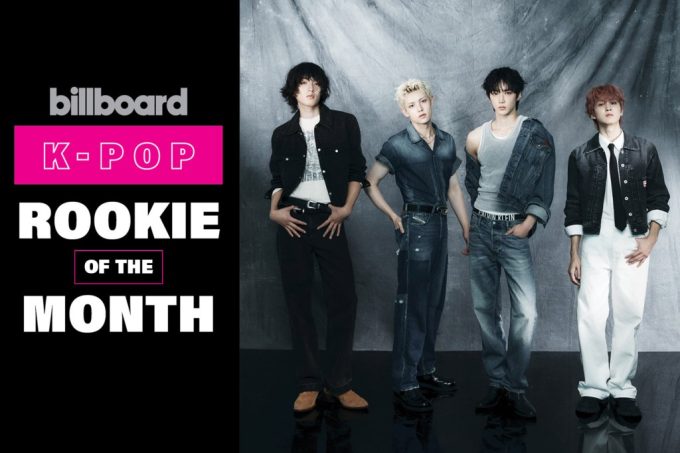
AxMxP Is K-Pop Rookie of the Month for September: Exclusive Photos
Ha Yoo Joon Image Credit: Chin Soyeon You debuted on Sept. 10....
Chris Marks2 Mins read




Leave a comment