

“Elphie”: Gregory Maguire Dares Us to Rethink Evil in This Haunting Origin Story of Oz’s Most Misunderstood Witch
 Showline ReviewerApril 7, 20252 Mins read255
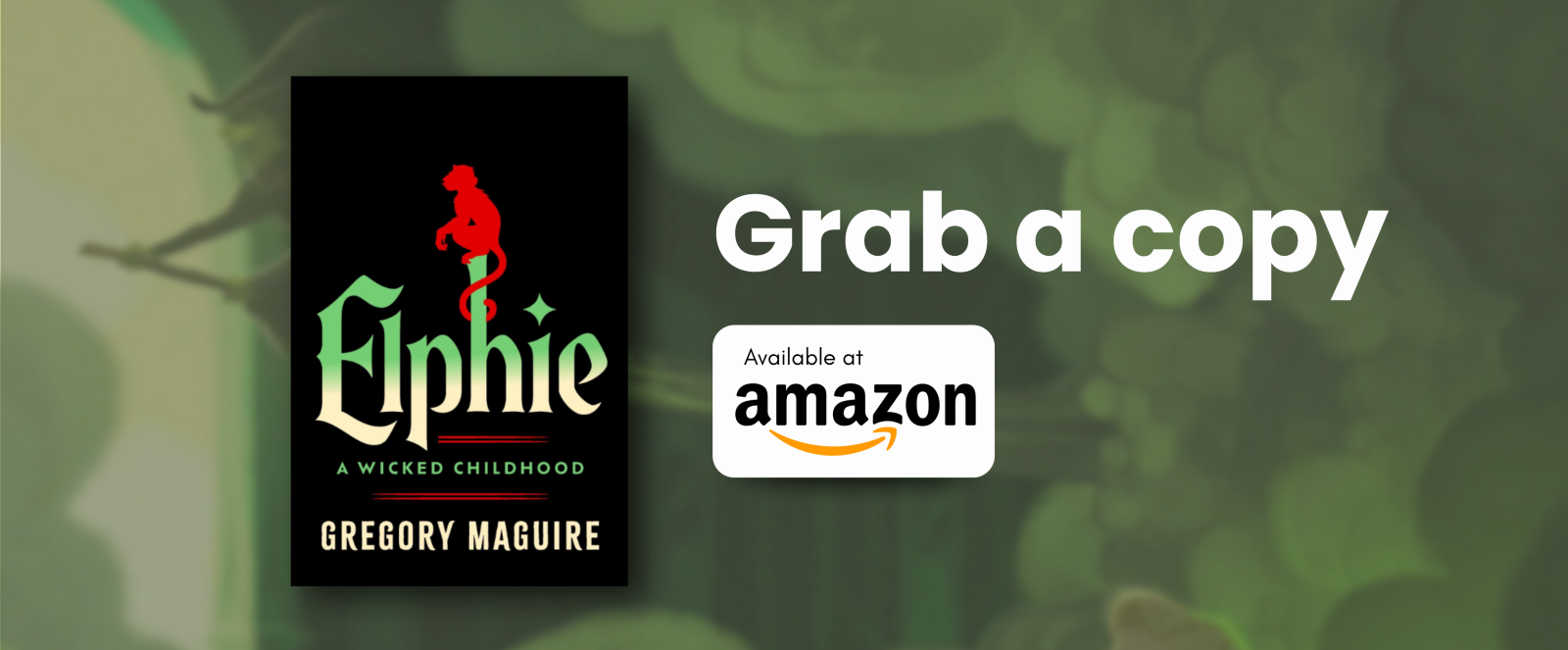
Green-Skinned and Grieving: The Tender Ferocity of Elphie
Before the cackling, before the tower, before the label “Wicked”—there was a girl. A strange, sharp, observant girl born into a world that didn’t know what to do with her. That’s where Elphie begins. Gregory Maguire doesn’t just return to Oz in this prequel—he unearths it, scraping away the glitter and song to expose the fractures beneath. This is not a fairy tale; it’s a reckoning.
With a quieter, more intimate voice than the operatic sweep of Wicked, Elphie feels almost like a confession. The book draws us deep into Elphaba’s earliest years—not just the events, but the impressions, the emotional shadows that cling to a child who feels perpetually alien, even at home. Maguire leans into the tension between outsiderhood and visibility, offering a girl who is both hyper-watched and thoroughly misunderstood. “Even silence isn’t safe,” Elphie thinks, “when people fill it with what they expect to hear.” That single line captures her entire emotional arc.
The structure of the novel is elliptical, memory-driven, shifting between hazy recollection and sharp, almost surreal episodes. It’s a portrait of development painted in dream fragments and psychic scars. Maguire’s prose remains lush, allusive, but here it’s more grounded—less interested in political allegory and more invested in the emotional textures of pain, fear, and resilience. It reads like a spell cast in grief and curiosity.
What emerges most powerfully is a child’s slow discovery of her difference—and the world’s quick punishment for it. The color of her skin becomes emblem, omen, excuse. But Maguire doesn’t sensationalize her trauma; he renders it with strange grace, through objects and gestures: the way someone won’t touch her hand, the way a teacher refuses to say her name. The witch we thought we knew isn’t born in fire; she’s carved in neglect.
And yet—this is not a hopeless book. It’s a prelude. Maguire’s brilliance lies in his ability to create empathy without erasing danger. Elphie doesn’t plead for forgiveness; it asks for understanding. It reframes “wickedness” not as moral failure, but as social construction—what happens when difference is punished long enough to become power. The echo of that idea lingers long after the final page.
Who Should Read This
Elphie is for readers who fell in love with Wicked but wanted to know who Elphaba was before the world defined her. It’s a quiet novel, a character study cloaked in fantasy, ideal for those who seek interiority in their speculative fiction. Lovers of The Song of Achilles, Circe, or The Book of Goose will find a similar emotional register—aching, elegant, shadowed. This is a book for the misfits and the mourners, for anyone who has been shaped by silence and forced to choose between invisibility or defiance.
Review Overview
Summary
In Elphie, Gregory Maguire returns to the haunted, glittering land of Oz to explore the childhood of Elphaba—the girl who would become the Wicked Witch—with lyrical sorrow, sharp insight, and a tenderness that makes her story feel freshly tragic and terribly familiar.
- Story Grip8
- Character Connection9
- Writing Vibe9
- Freshness & Meaning8
- World & Mood9
- Heartstrings & Haunting9
- Overall Flow8







When “107 Days” Meets Outcry: Harris’s Book Tour Interrupted
The microphone crackled to life, and before Harris could finish her opening...
 Chris Marks1 Mins read
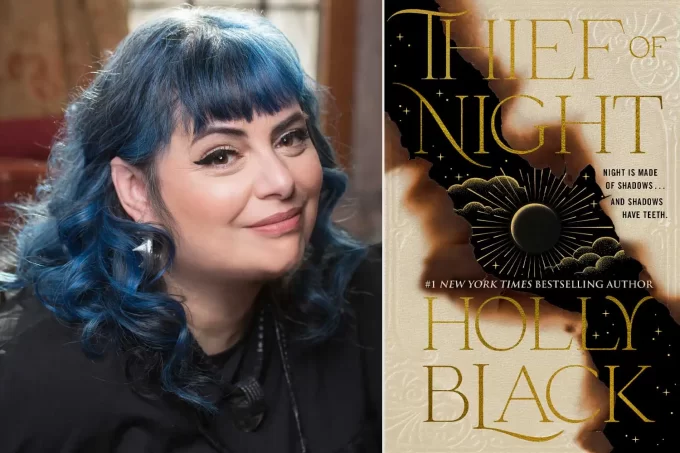
Whispers in the Shadows: Why Holly Black’s Sequel Is a Dark Invitation We Can’t Ignore
The night isn’t just dark—it’s ravenous, greedy, and it’s coming for you....
Chris Marks2 Mins read

Why Stephenie Meyer’s Regret About Edward Changes Everything You Thought You Knew
The moment Stephenie Meyer admitted she wouldn’t pick Edward Cullen today, a...
Chris Marks2 Mins read

When Fear, Fury & Feathers Collide: Cinema, Superheroes, and a Confessional Album
Open with tension—the kind that threads through a scream, a reveal, and...
Chris Marks2 Mins read





Leave a comment