

Jrue & Lauren Holiday: A Love Forged in Pressure and Triumph
From a UCLA pick-up line to battling a brain tumor and winning NBA rings, Jrue and Lauren Holiday’s journey defies expectations—revealing a partnership built not on spotlight, but on shared resolve.
 Krista FreelandJuly 16, 20252 Mins read21
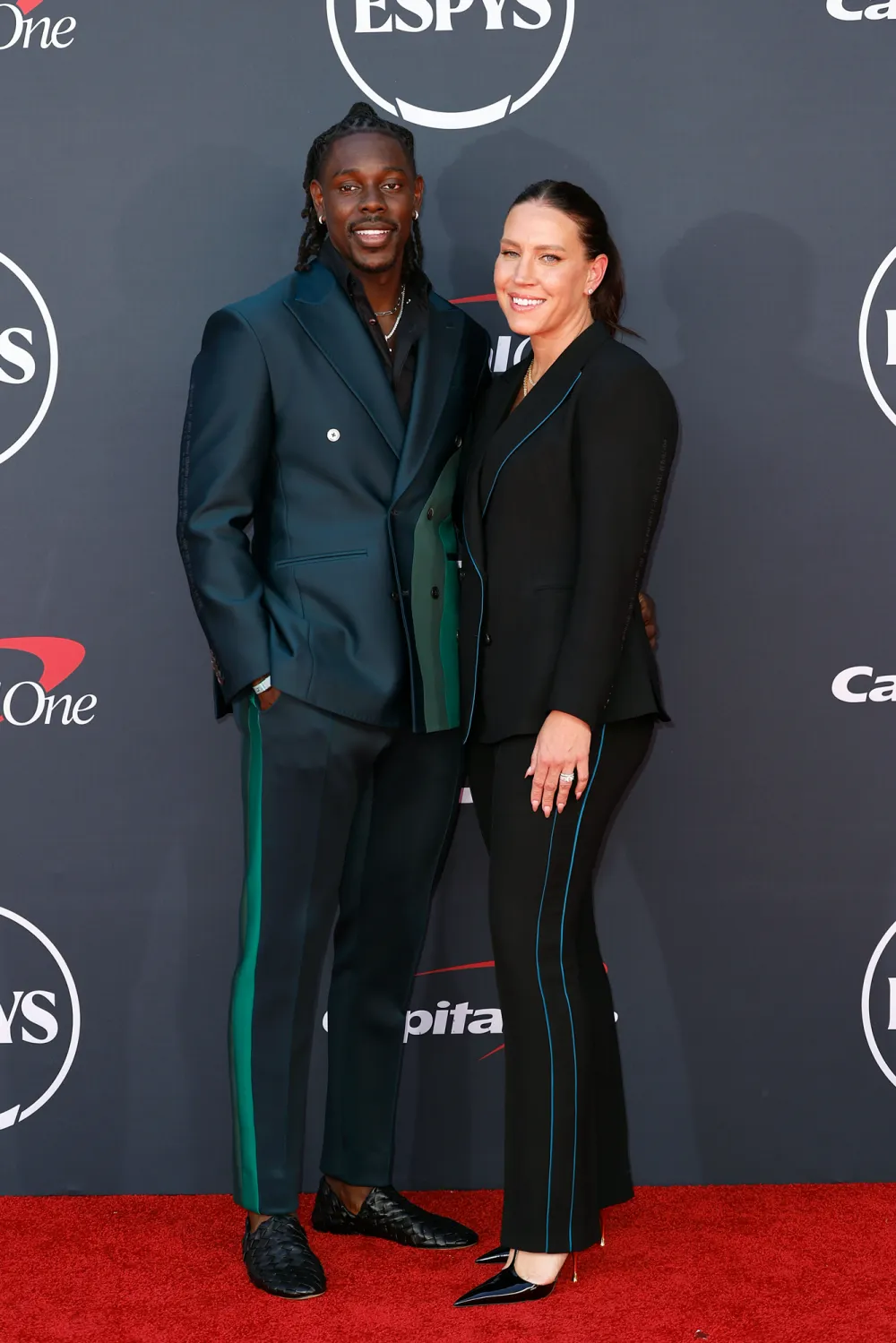
A sharp line of humor cut across a crowded UCLA gym: “Don’t worry, you’re cuter than Darren,” Lauren quipped at a freshman Jrue Holiday after he’d been mistaken for a teammate. That moment dropped into his lap an unexpected connection—one that grew beyond flirtation into a relationship tested by fame, illness, and unrelenting ambition.
By 2009, Jrue was drafted into the NBA and Lauren, a decorated U.S. soccer star, had captured the world’s attention on the field. Together, they built a life transcending athletic milestones—one anchored in adversity and mutual respect that would soon be tested in ways they never imagined.
Resilience in the Face of Ruin
In 2016, seconds after their daughter Jrue Tyler was born, Lauren was diagnosed with a benign brain tumor. Jrue left the Pelicans midseason to stand beside her. “My family comes before basketball,” he told reporters. He stayed—through midnight doctor visits, recovery at Duke, and their daughter’s first steps—sacrificing career momentum to safeguard his family’s future.
Then came reality’s twist: their son Hendrix arrived in 2020, and so did Jrue’s second NBA ring. Behind every trophy and gold medal lay scars unseen—a shared courage woven into whispered conversations and parental angst.
Faith, Family, and a Fight for Justice
Their union has never been just about athletics—it’s also about values. In 2020, they founded the Jrue & Lauren Holiday Social Justice Impact Fund, pledging NBA salary and time to racial equity. A Reddit user noted, “He is also one of the nicest activists out there… When his wife…was diagnosed…Jrue took a leave… That’s all I need to know.” Their partnership blends privilege with accountability, competition with compassion.
They support each other’s legacies: Lauren was inducted into the National Soccer Hall of Fame, while Jrue defended a Celtics championship. Theirs is a duet of shared ambition and quiet defiance.
They met as players—but became something more: parents who paused careers for health and hope; partners who waged battles unseen by cheering crowds. Their story lingers not in highlight reels, but in the hard moments between milestones.
So we arrive—back to that gym, that joke, that unstaged instant—knowing love isn’t earned in victory alone, but in the grit of reluctant sacrifice and the eloquence of quiet choices. And then: where do legends go, when they choose humanity over heroism?





When Mercy Meets Tragedy: The Widow Who Forgave Her Husband’s Killer
The air thickens when forgiveness enters a room meant for grief. Imagine...
 Chris Marks1 Mins read
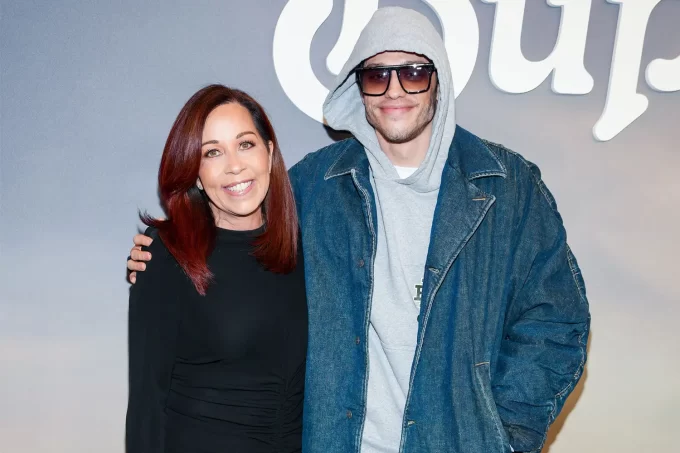
When Fear Became a Lifeline: Pete Davidson’s Reckoning in Rehab
There’s a silence that follows a mother’s voice when she confesses her...
 Joseph Bennett1 Mins read
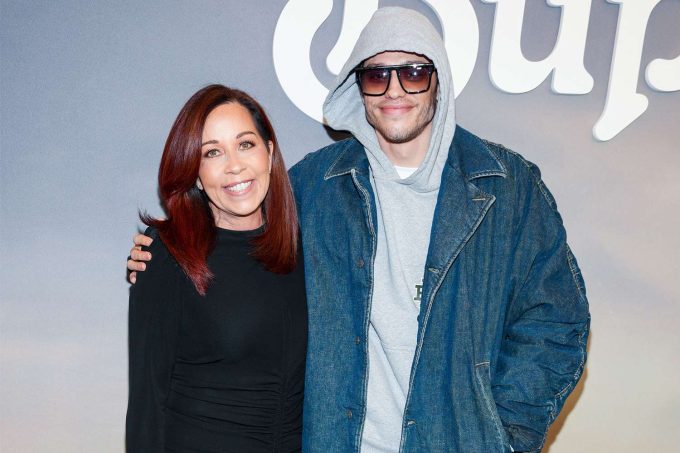
Pete Davidson’s mom told him in rehab worst fear was learning he died
Pete Davidson is opening up about the heartbreaking moment he had with...
Chris Marks2 Mins read

Katie Couric’s Unexpected Spin on Sydney Sweeney’s American Eagle Ad: What’s Really Being Said?
Katie Couric stepping into a scene dominated by Gen Z glamour feels...
Krista Freeland2 Mins read



Leave a comment